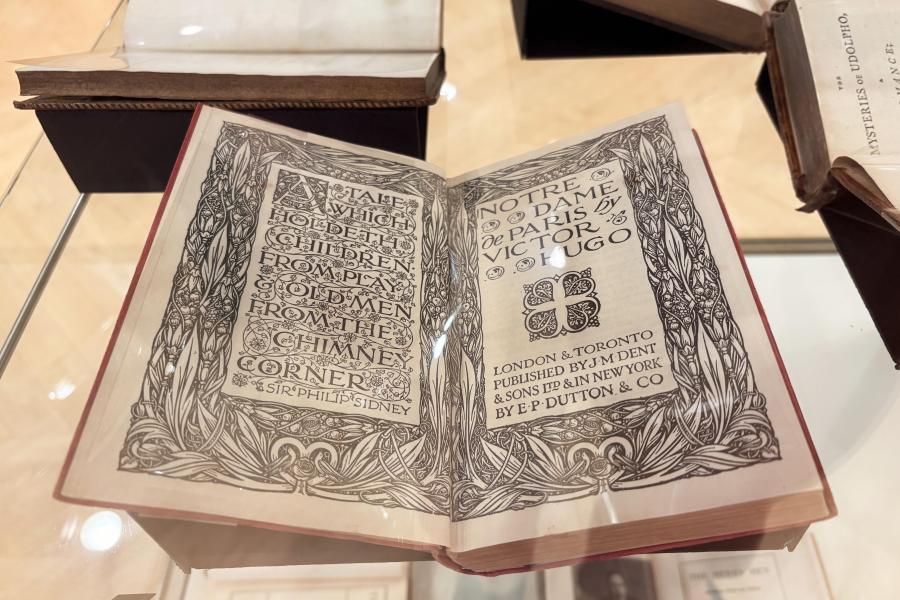
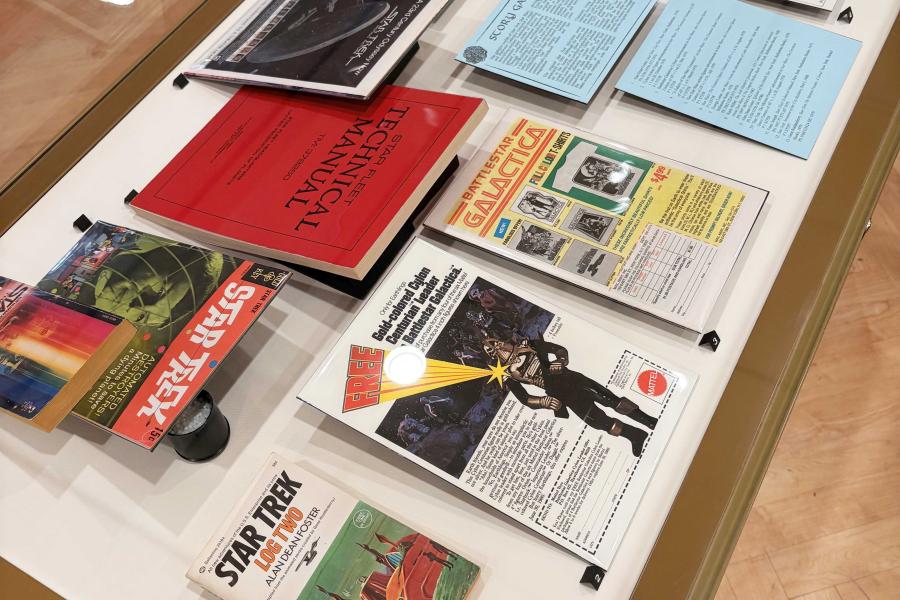
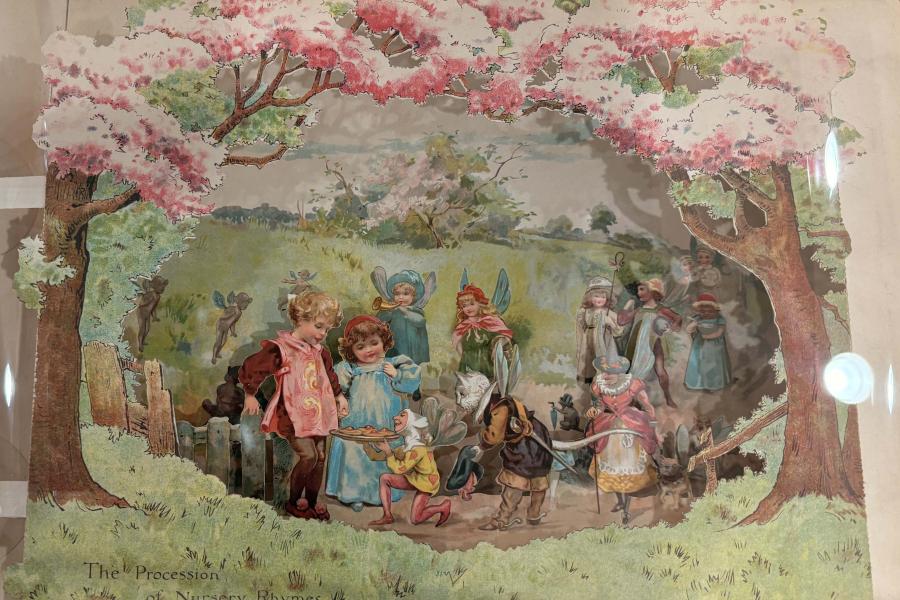
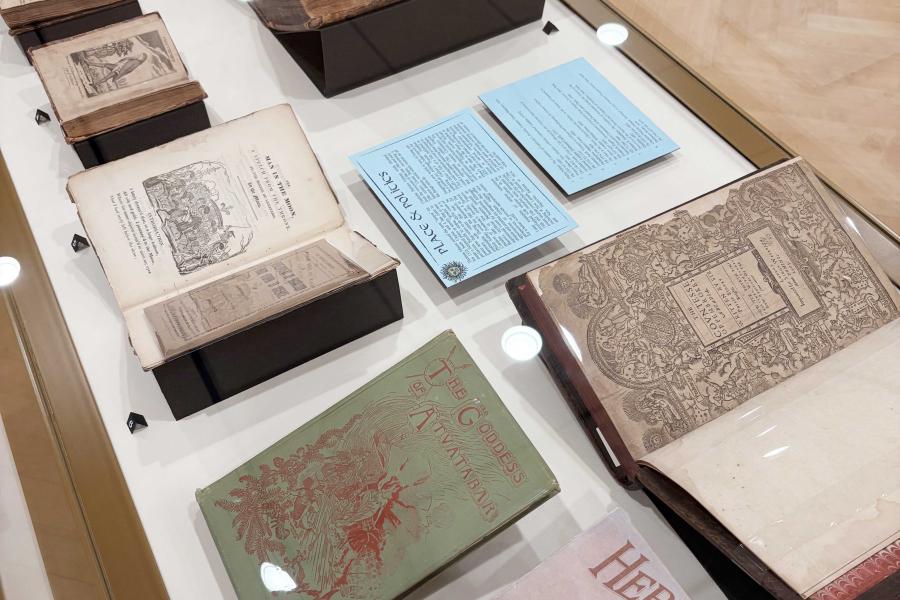
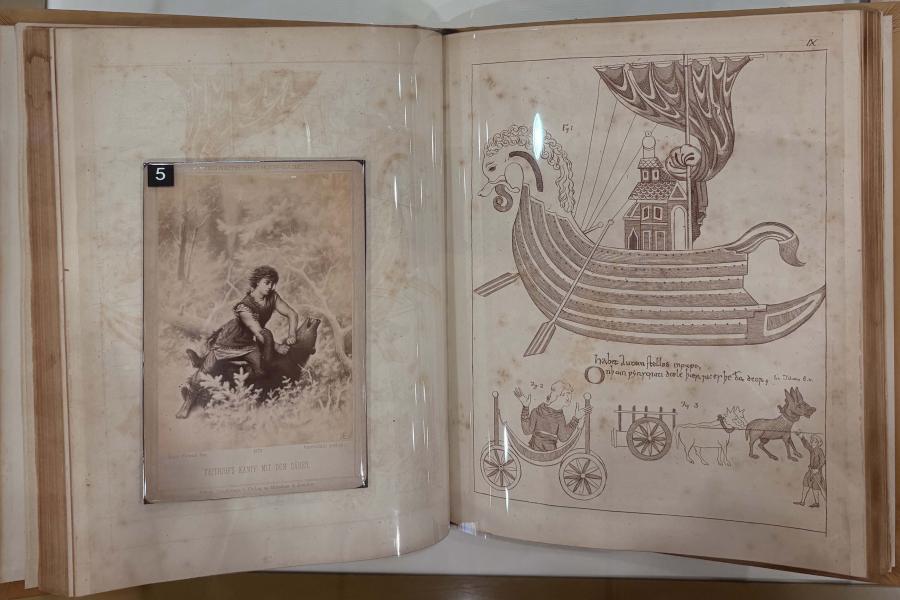
The practice of imagining and sharing journeys, worlds, peoples, and events is both modern and ancient. The best known ancient epics about heroes' journeys and exploration include such well-known figures as Gilgamesh, Beowulf, and Odysseus, whose stories are still known today. As classic tales are repeatedly reinterpreted by audiences in different times and places, modern authors have continued this uniquely human activity, creating stories of imaginary and fantastic journeys in myriad formats and styles.
To build imaginary worlds, we first have to dream them. Imagination provides access to possibilities outside the known world, but the themes communicated in these stories are often universal, as if the fundamental nature of our shared humanity is most easily perceived when thrown into relief by the strangest and most fantastic settings. The veil between the imagined and the real can be thin, with readers finding traits to identify with in even the most foreign and peculiar worlds. Imaginary journeys can provide a safe and necessary break from reality, building a sense of community and belonging, thus protecting readers against feelings of rejection, social isolation, and loneliness in the real world.
Storytelling is a form of knowledge sharing in which fictional travels, people, and places can help us make sense of a complex world. The overwhelming popularity of these tales through time can be seen in the way one person's imaginary creation can rapidly become shared cultural property. As you explore the gallery, we encourage you to examine what prompts us to use our imaginations, ponder why these stories have been so popular over so many centuries, and consider the ways imaginary journeys allow us to process and evaluate our lived realities while helping us imagine the possibilities of better worlds.