Black L.A.: The Way Jeffrey Sees It
September 29, 2026
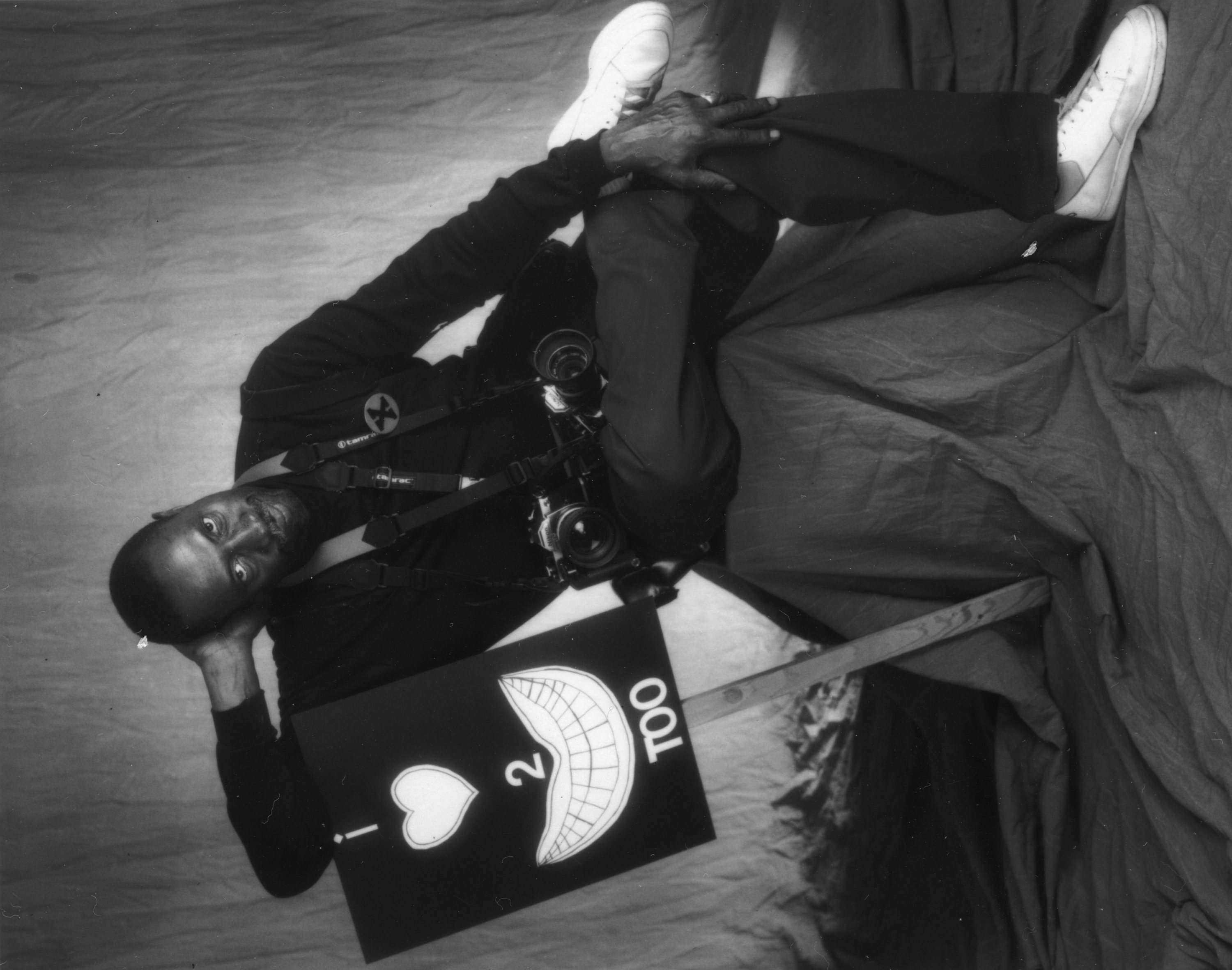
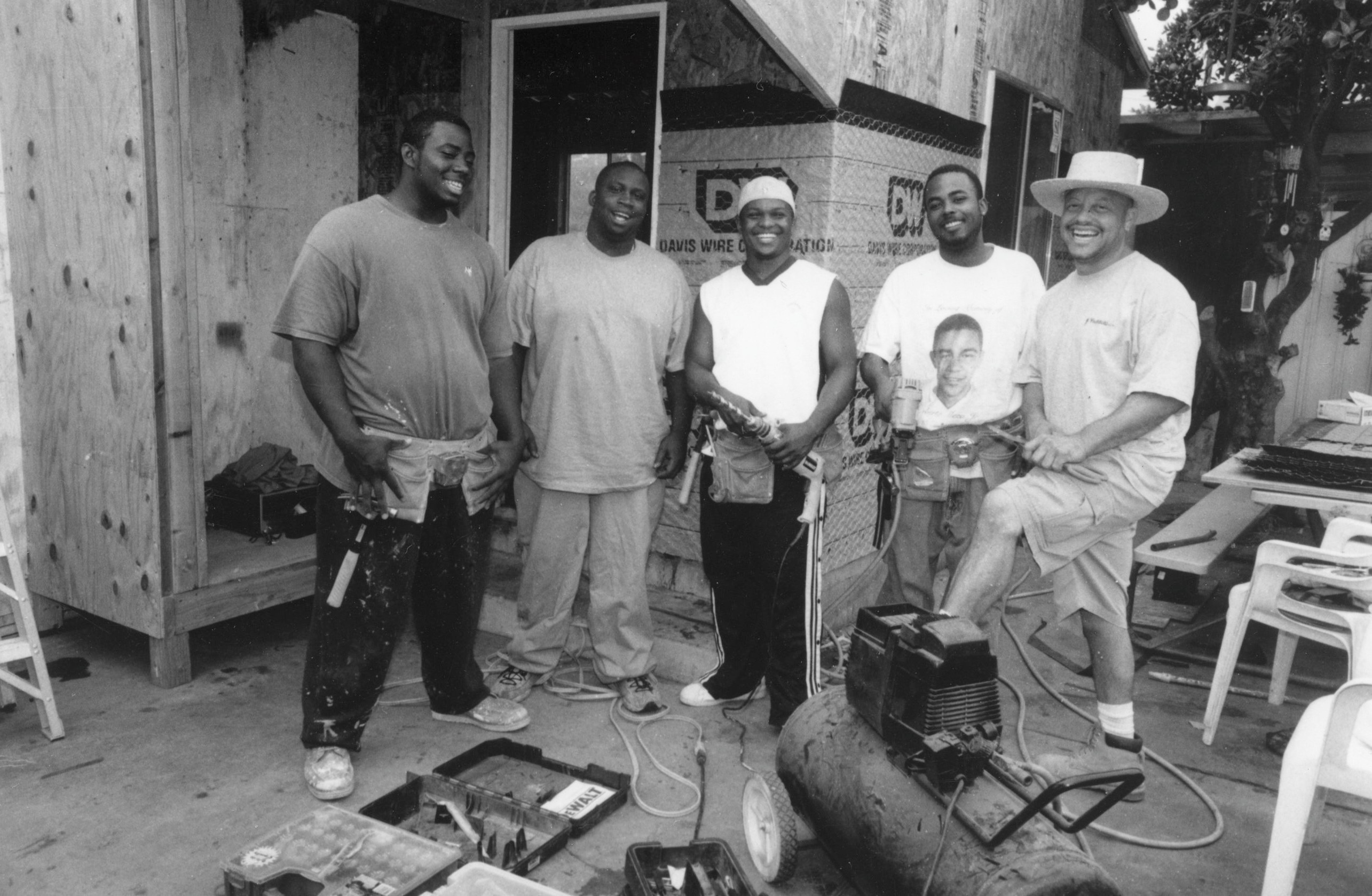
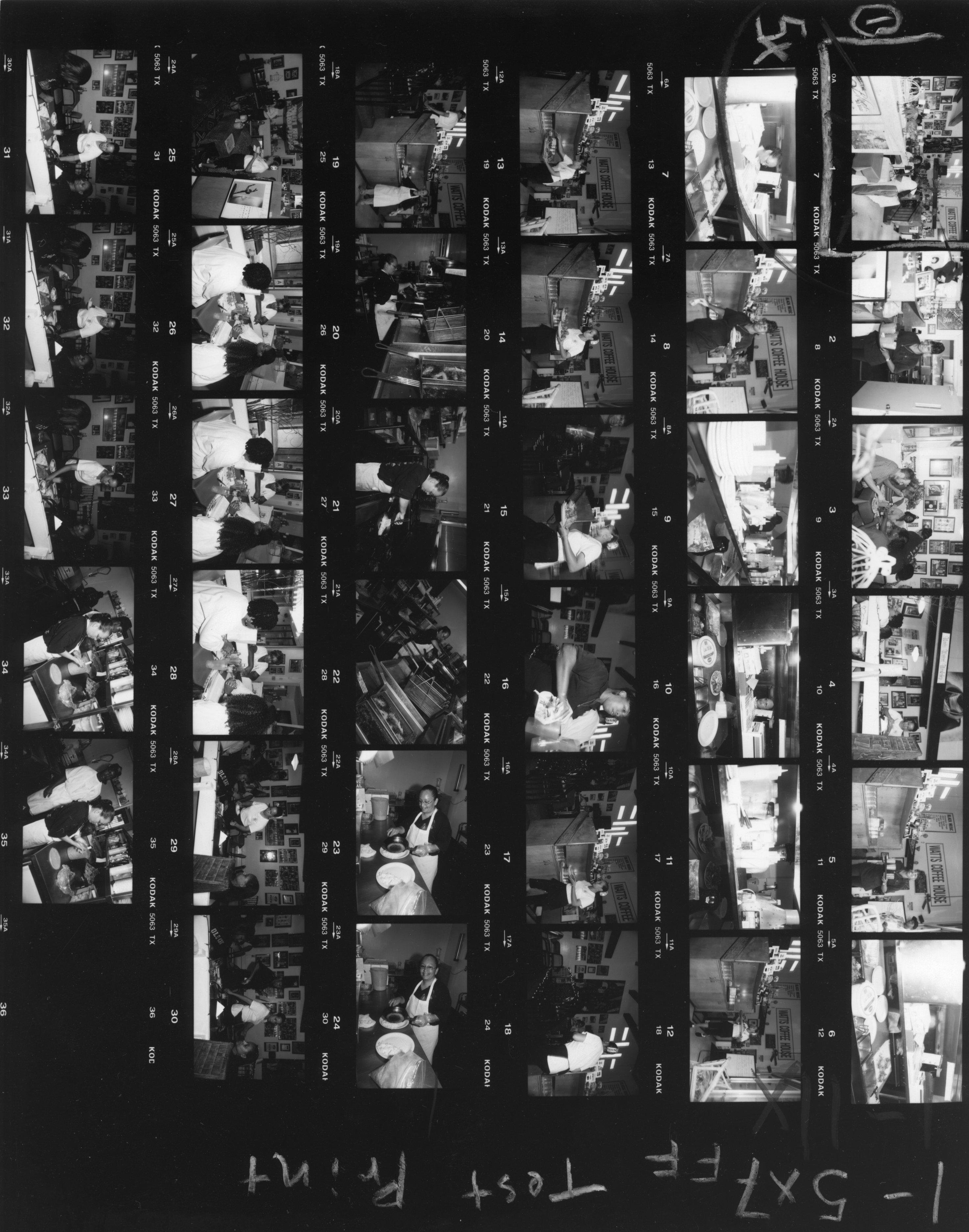
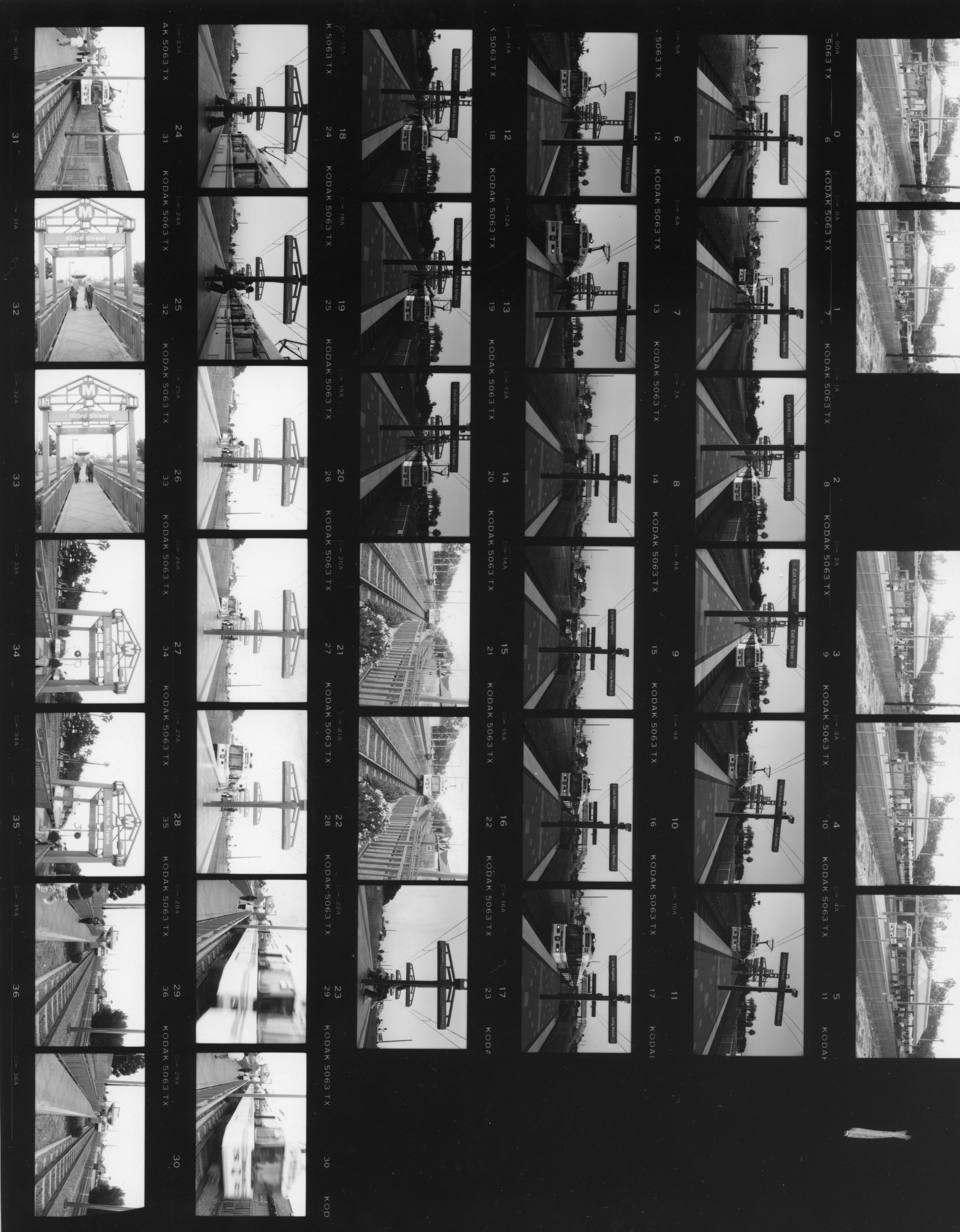
James Wesley Jeffrey, Jr., also known as "Jeffrey", was a Black photographer born in 1945 in Memphis, Tennessee. He moved to Los Angeles in 1971. For most of his career he worked as a commercial photographer who also shot documentary and fine art photography. The James Jeffrey Collection, part of CSUN's Tom & Ethel Bradley Center in Special Collections & Archives, contains photographic, audiovisual, and paper records covering a range of Jeffrey's activities, such as early travels and photography school assignments in the 1970s, commercial assignments from 1970s to 1990s, and the closing of the Black Gallery he co-directed in the 2000s. Jeffrey participated in multiple projects and assignments focused on depicting Black Los Angeles throughout his career, and a few will be highlighted in this post.
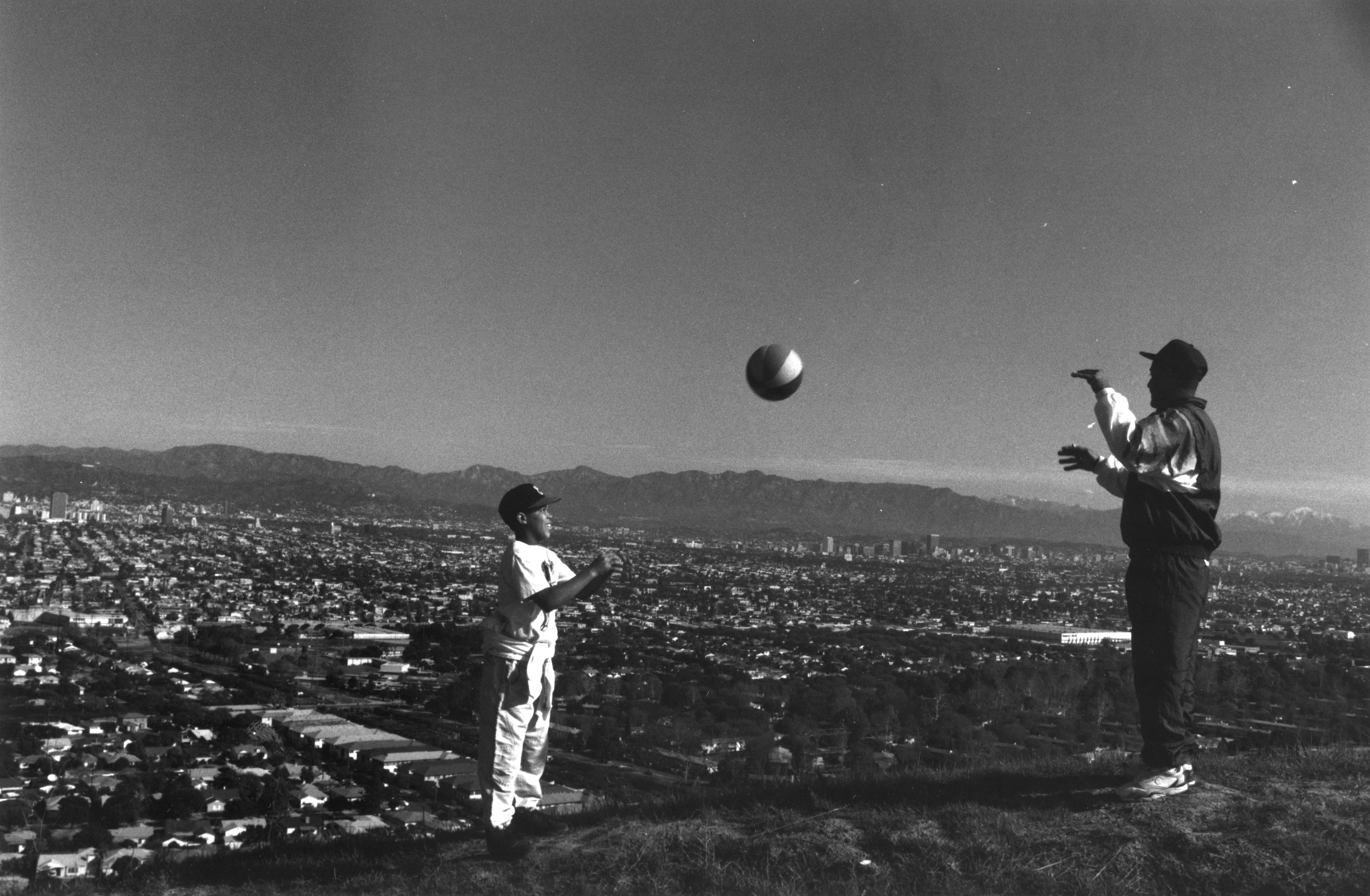
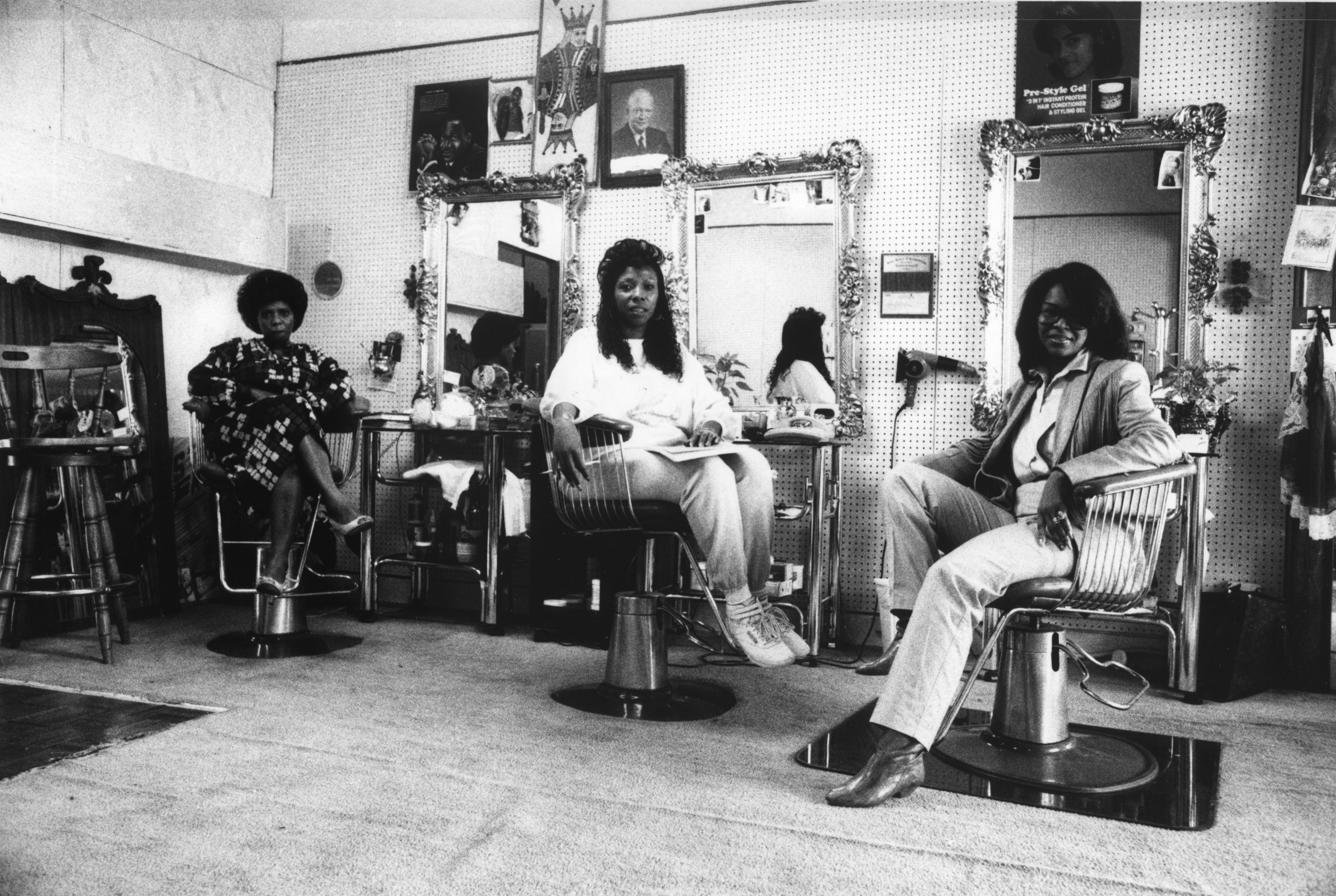
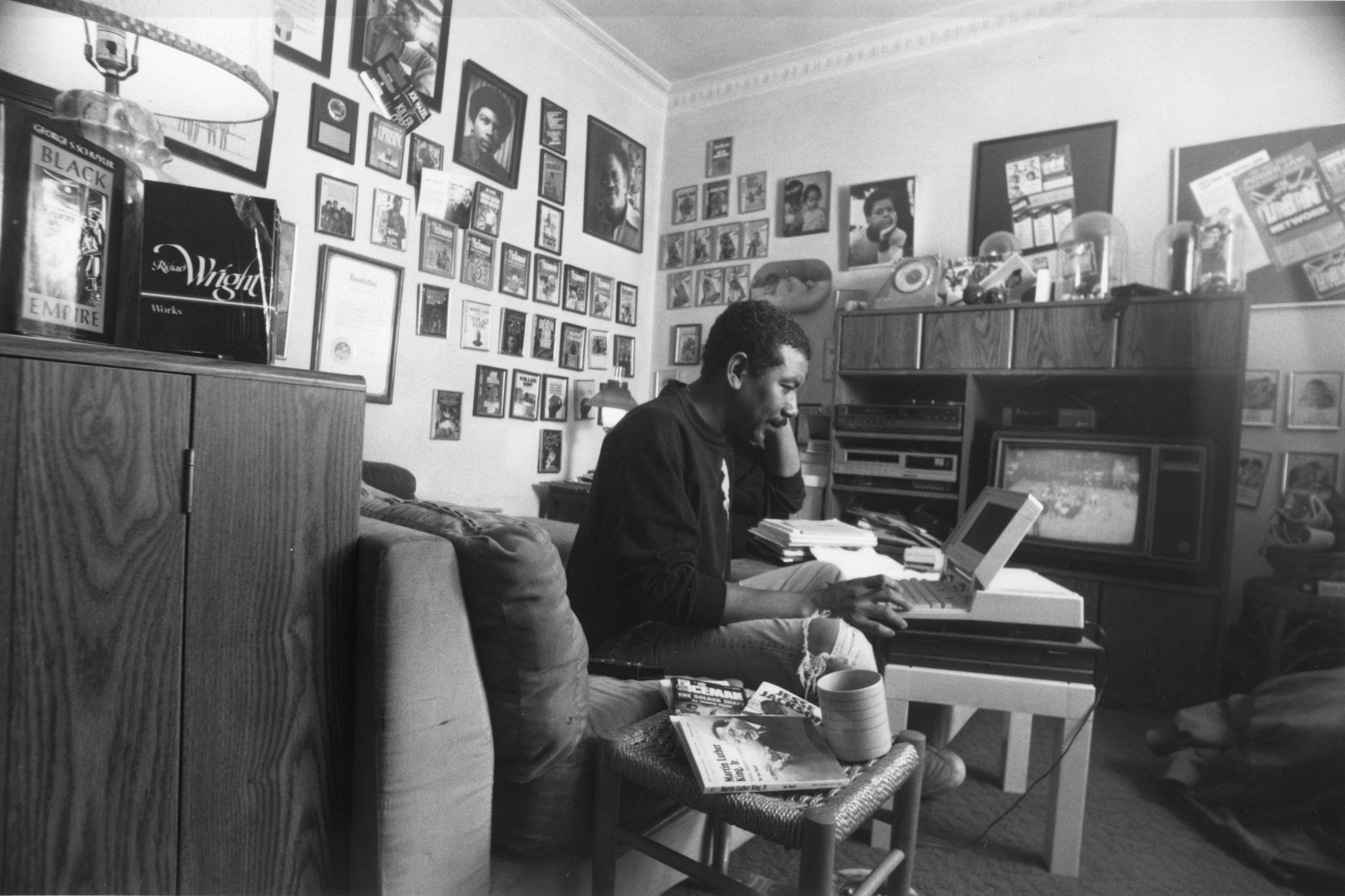
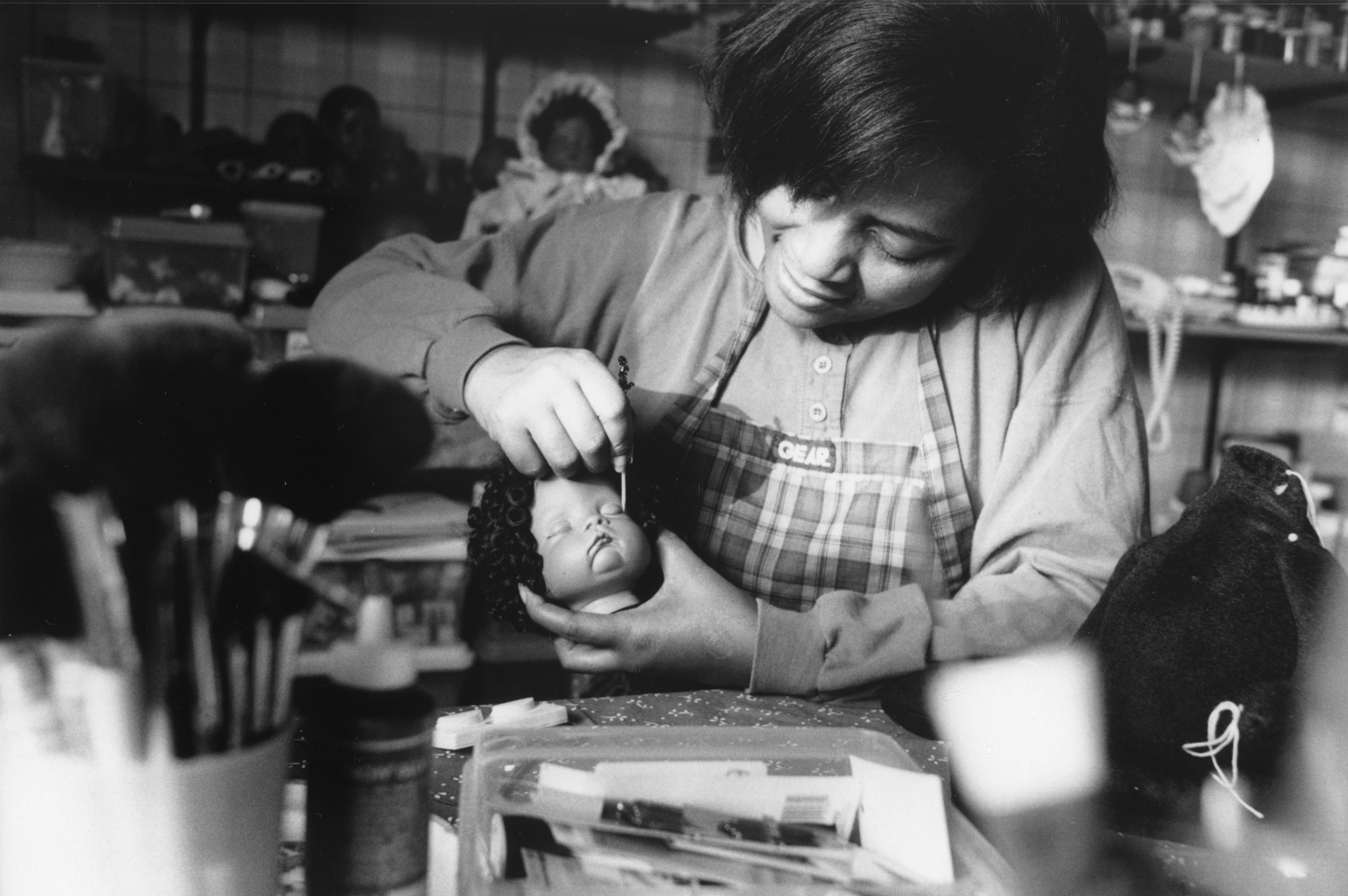
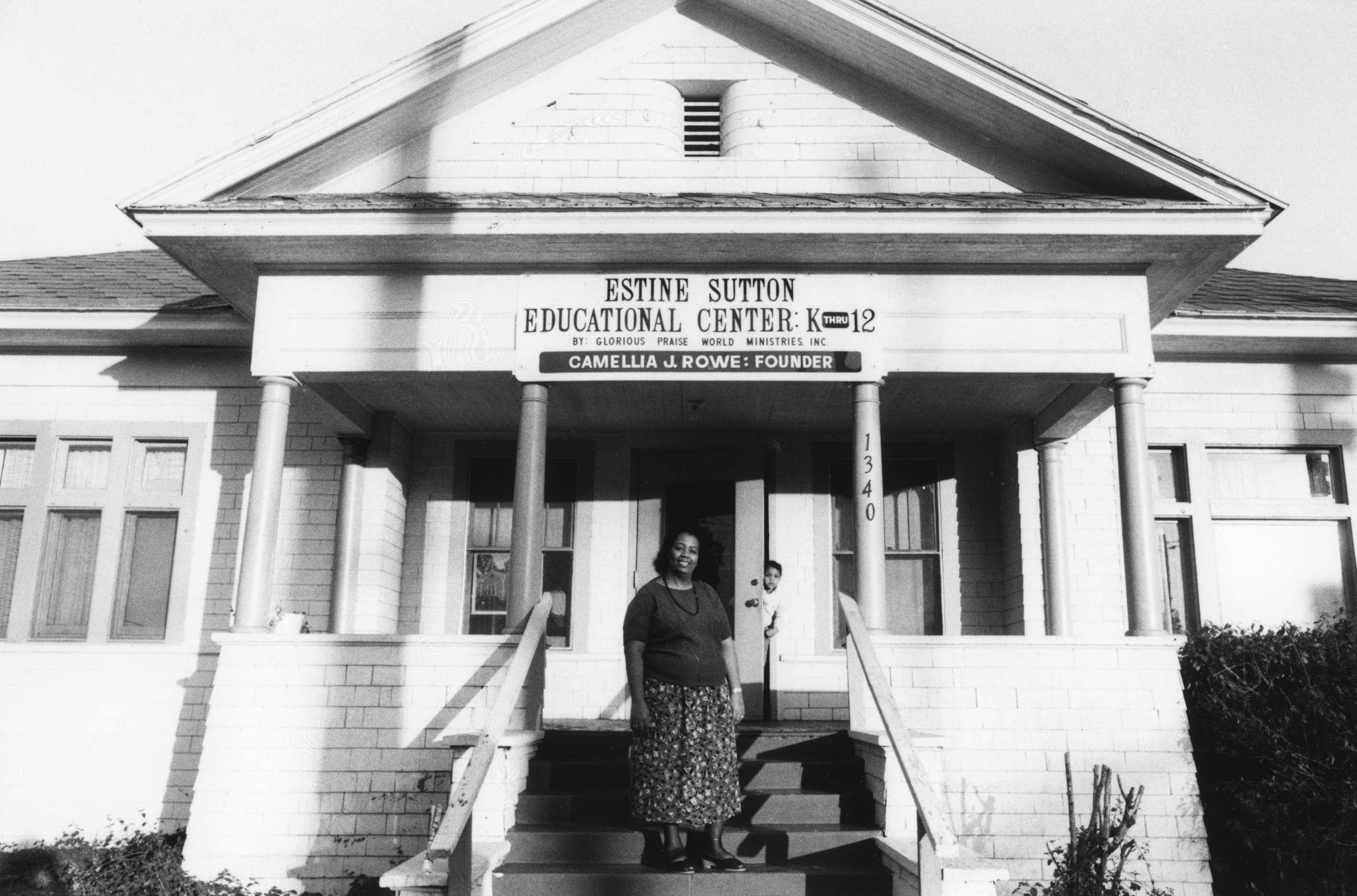
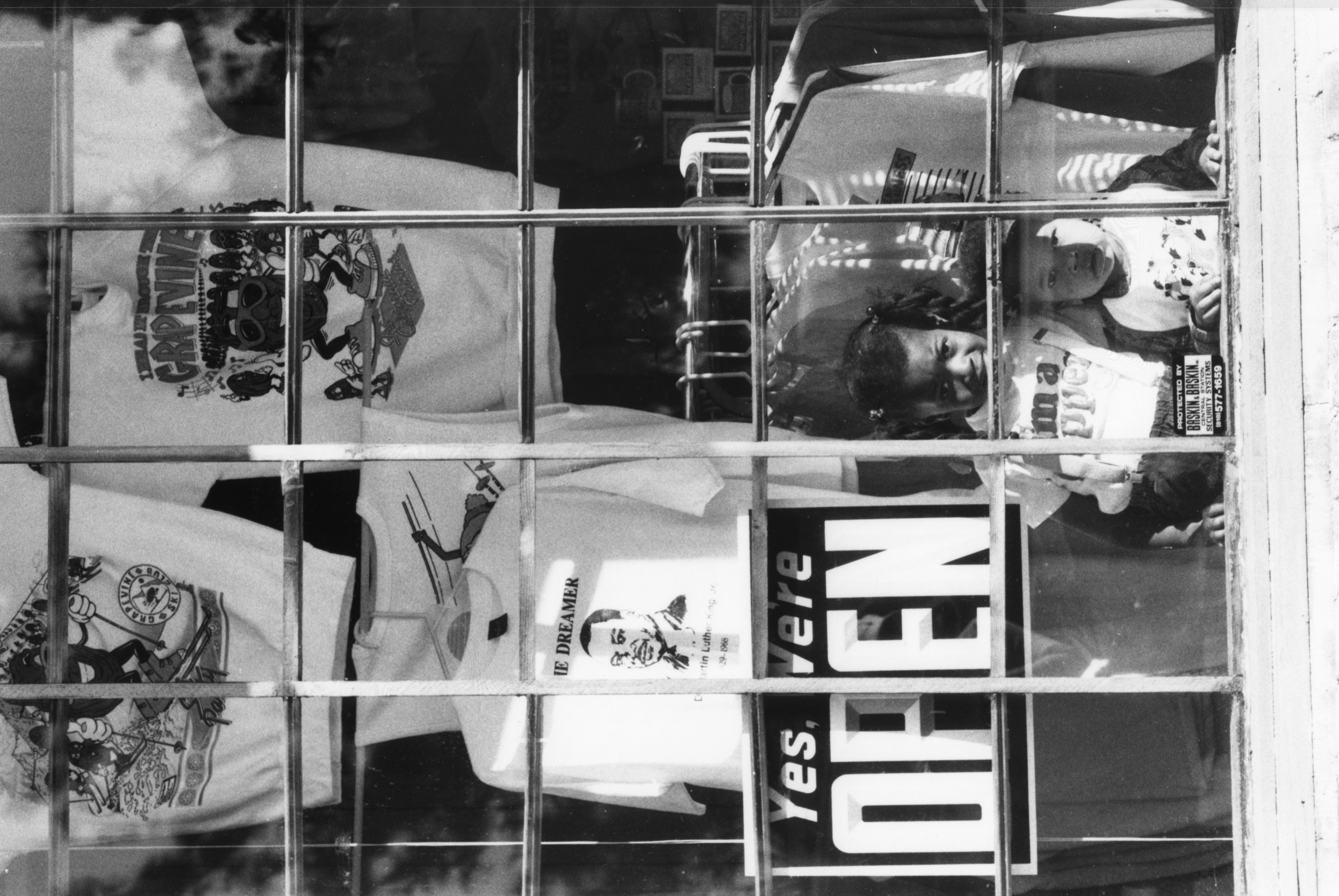
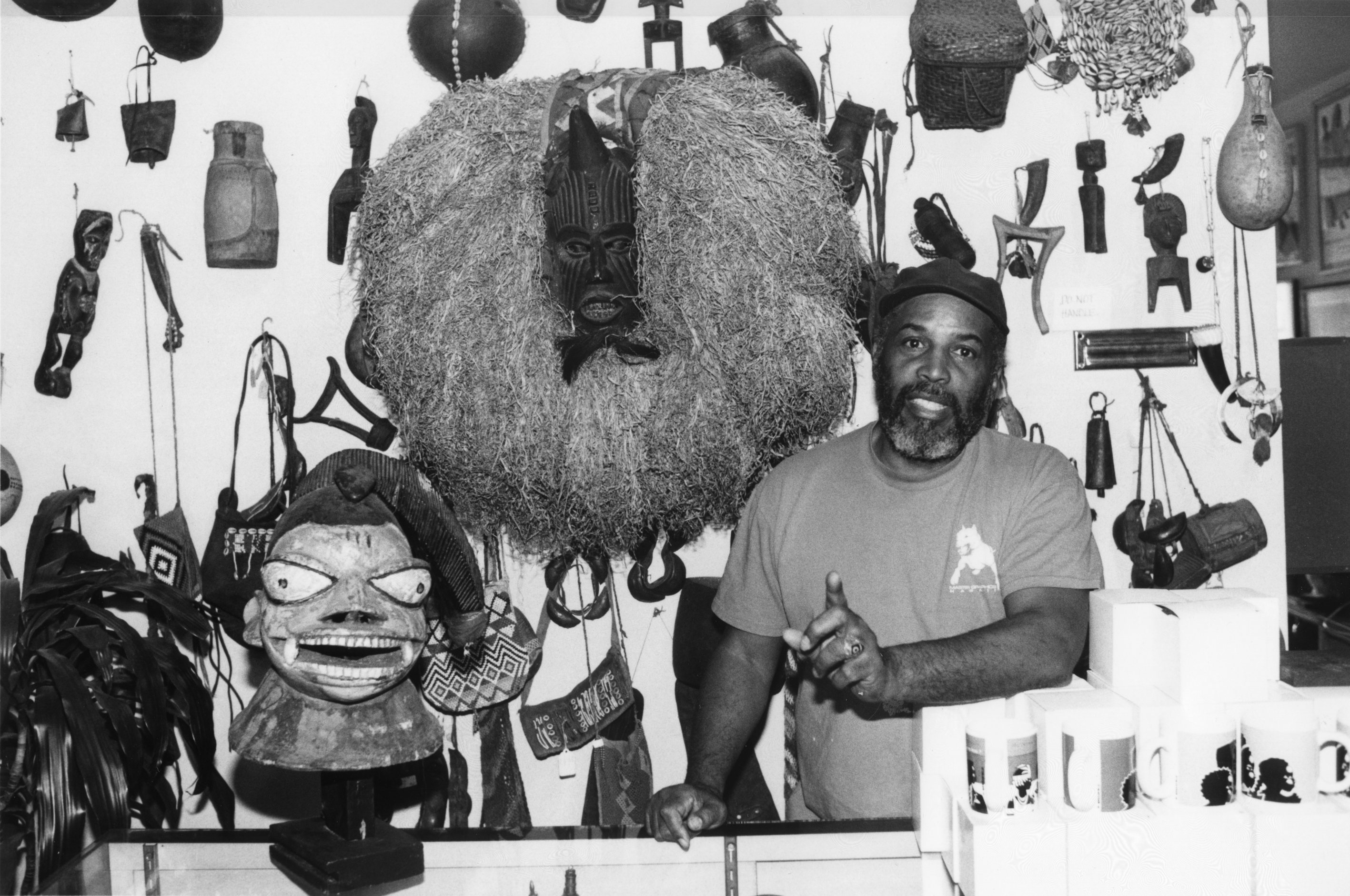
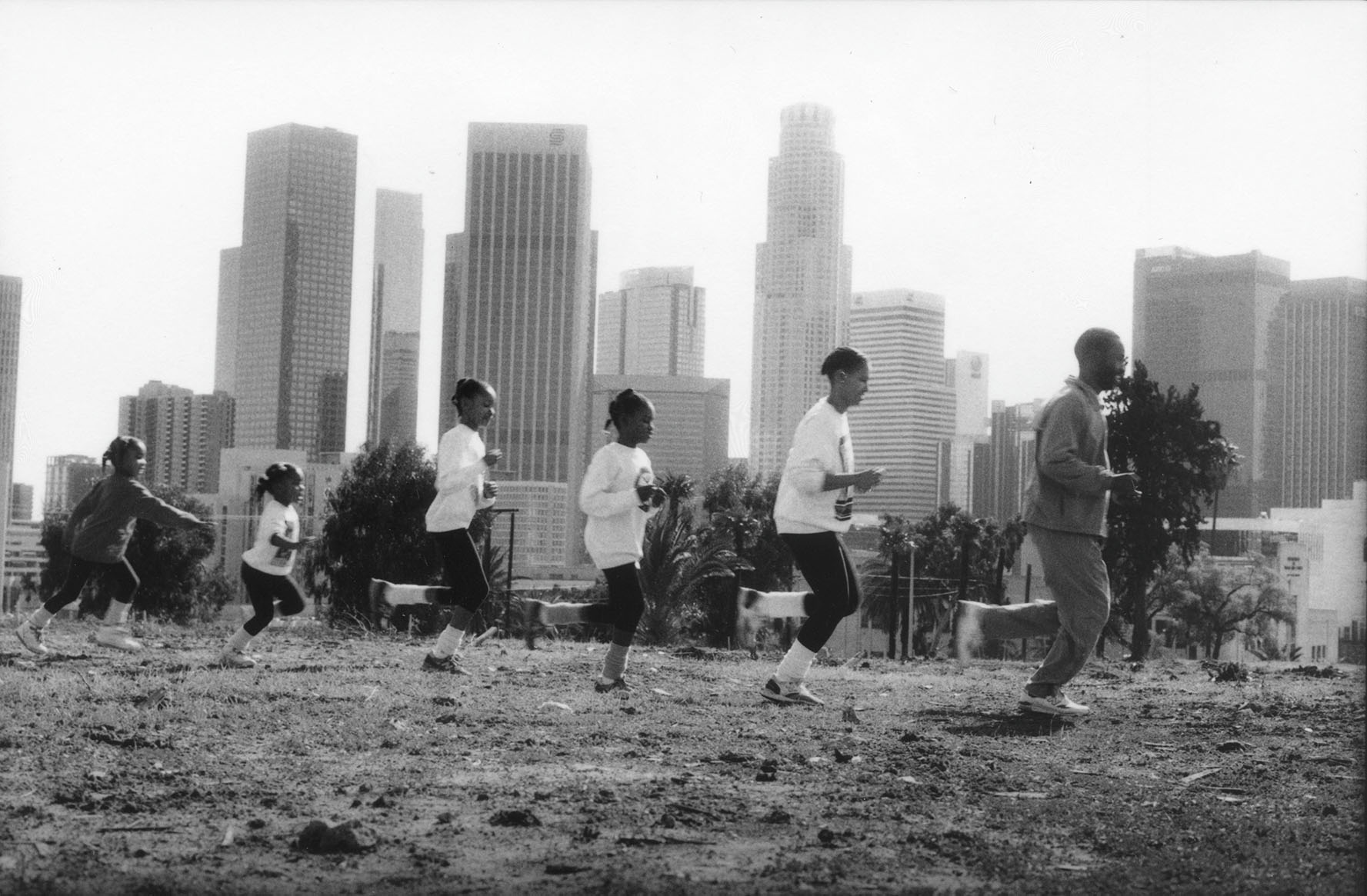
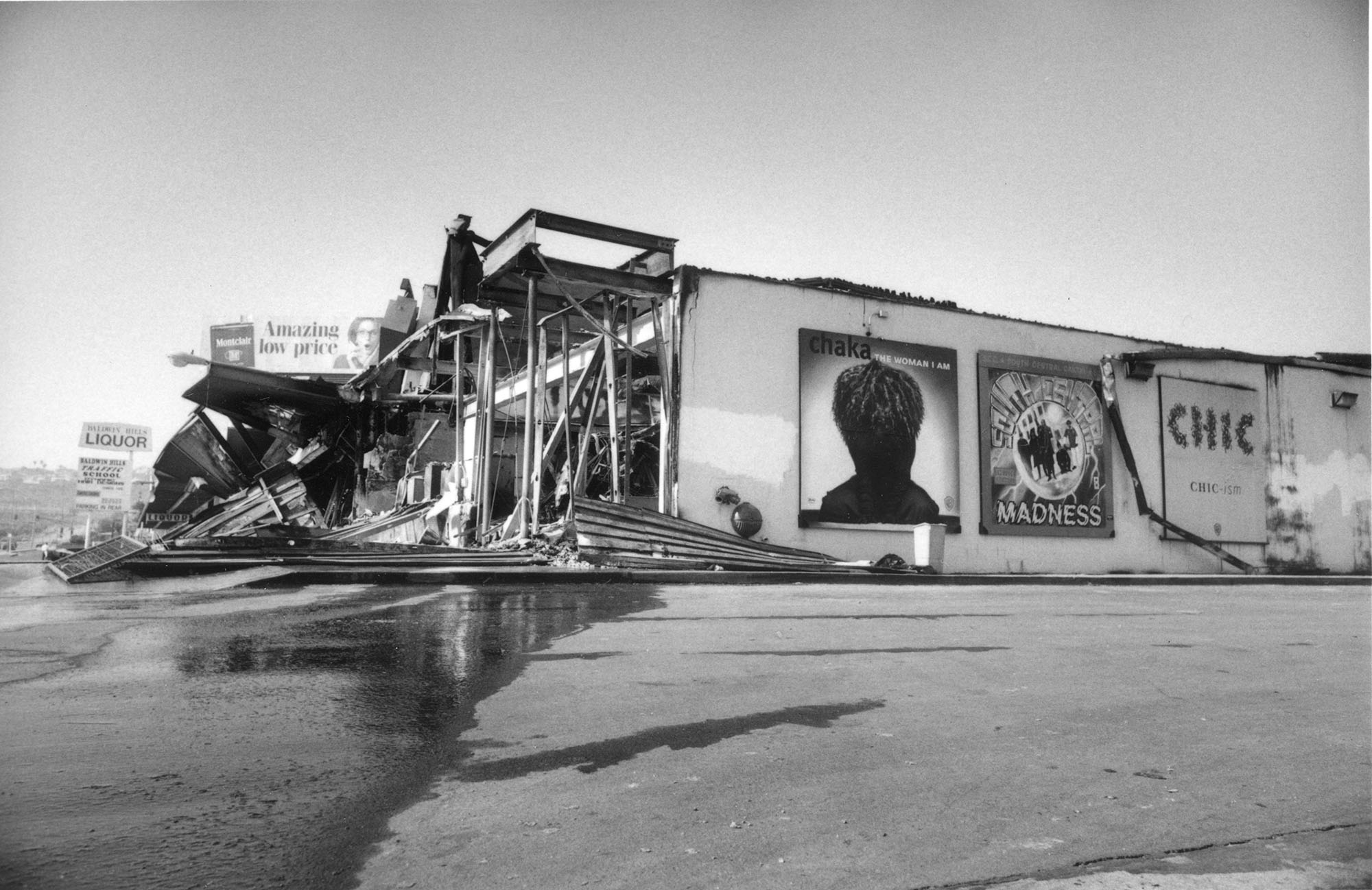
Jeffrey's most significant and far-reaching collaborative project was "Life in a Day of Black L.A." This project eventually led to an exhibit and culminated in a book entitled Life in a Day of Black L.A.: The Way We See It. According to the book's editors, Toyomi Igus and Roland Charles, the project was "an attempt to redress the negative imagery of Black people that bombards viewers daily." The book contained photographs taken by ten L.A.-based Black photographers who "focused their cameras on our Black communities and recorded a perspective on our lives that is generally not seen." (p10) First shooting in 1988 and for a second time in 1992, Jeffrey captured familiar faces, significant places, and memorable events in predominantly South L.A. They include a beauty salon, a barbershop, a school, a mosque, families spending time together, notable professionals in their workspaces, the Museum in Black, and the L.A. Uprising. Inserted between two of Jeffrey's published L.A. Uprising images on page 133, text from the book reads, "It cannot be denied that racial tension exists in this city, but L.A.'s cultural diversity leads more often to vitality and creativity than to conflict." In the acknowledgments, Jeffrey says of the project, "I truly enjoyed the opportunity to increase the understanding of my people. Anyone who knows American history knows that at one time Black Americans were not even considered human. I want people not to see us as bad or good, but simply as human." (p144)
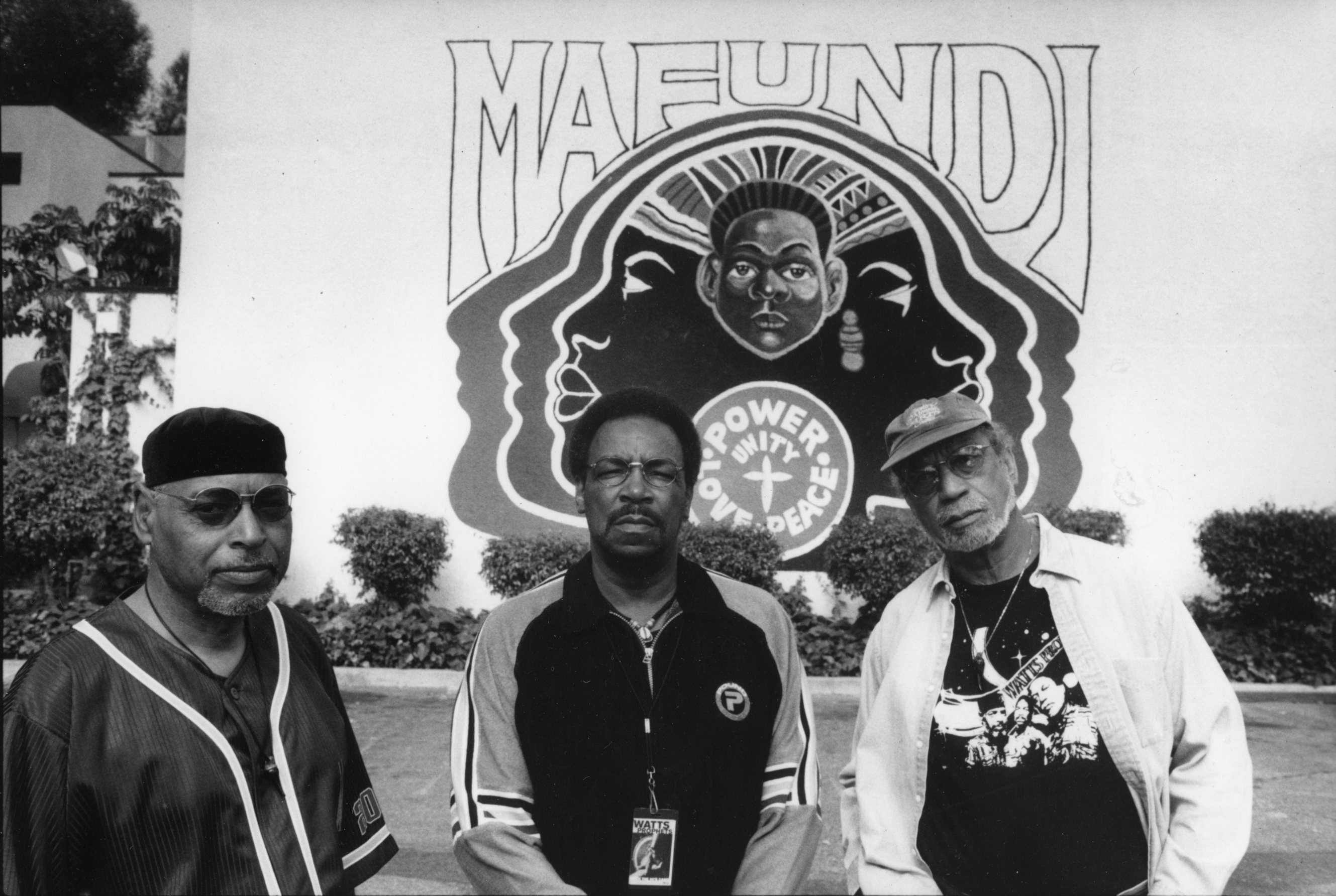
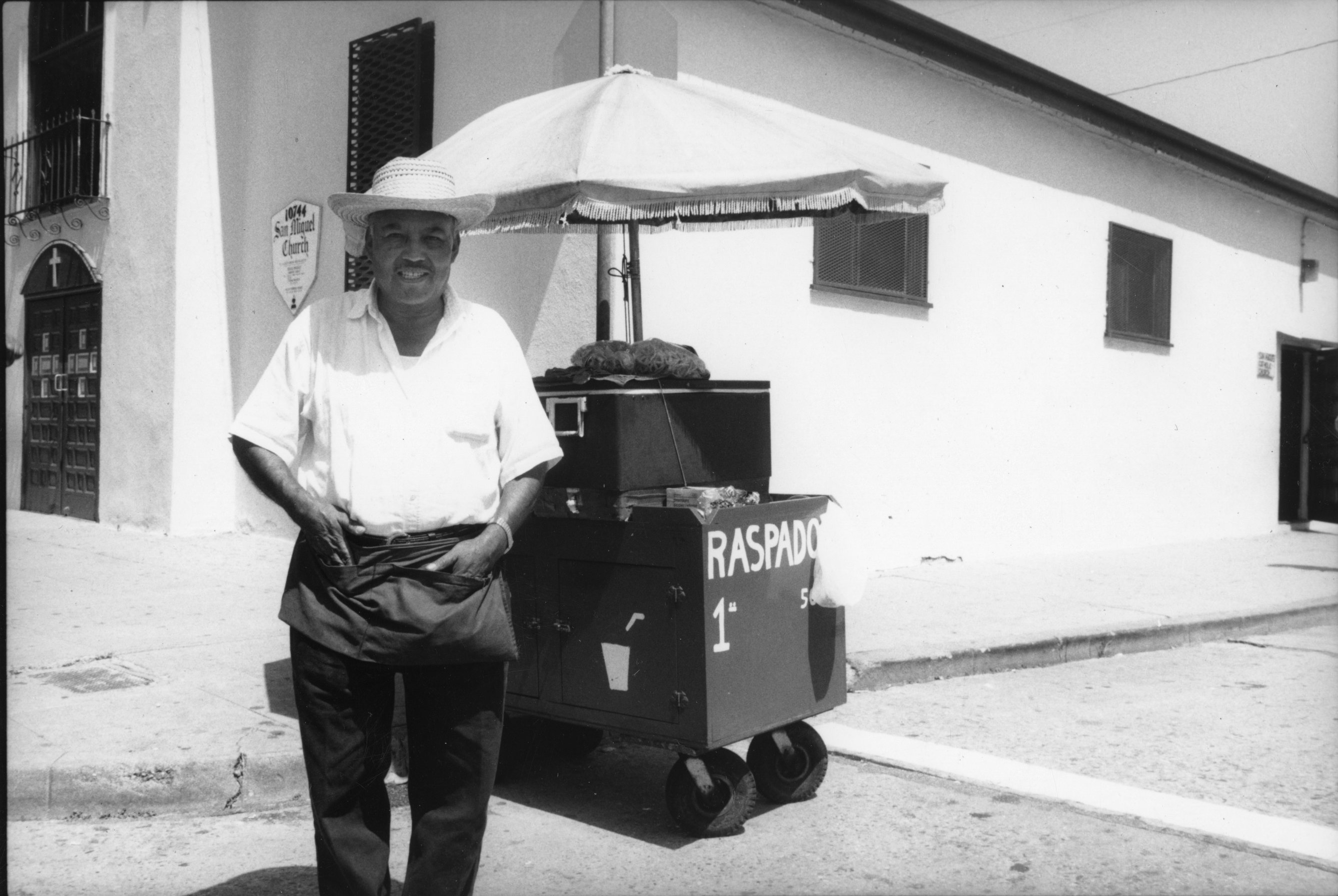
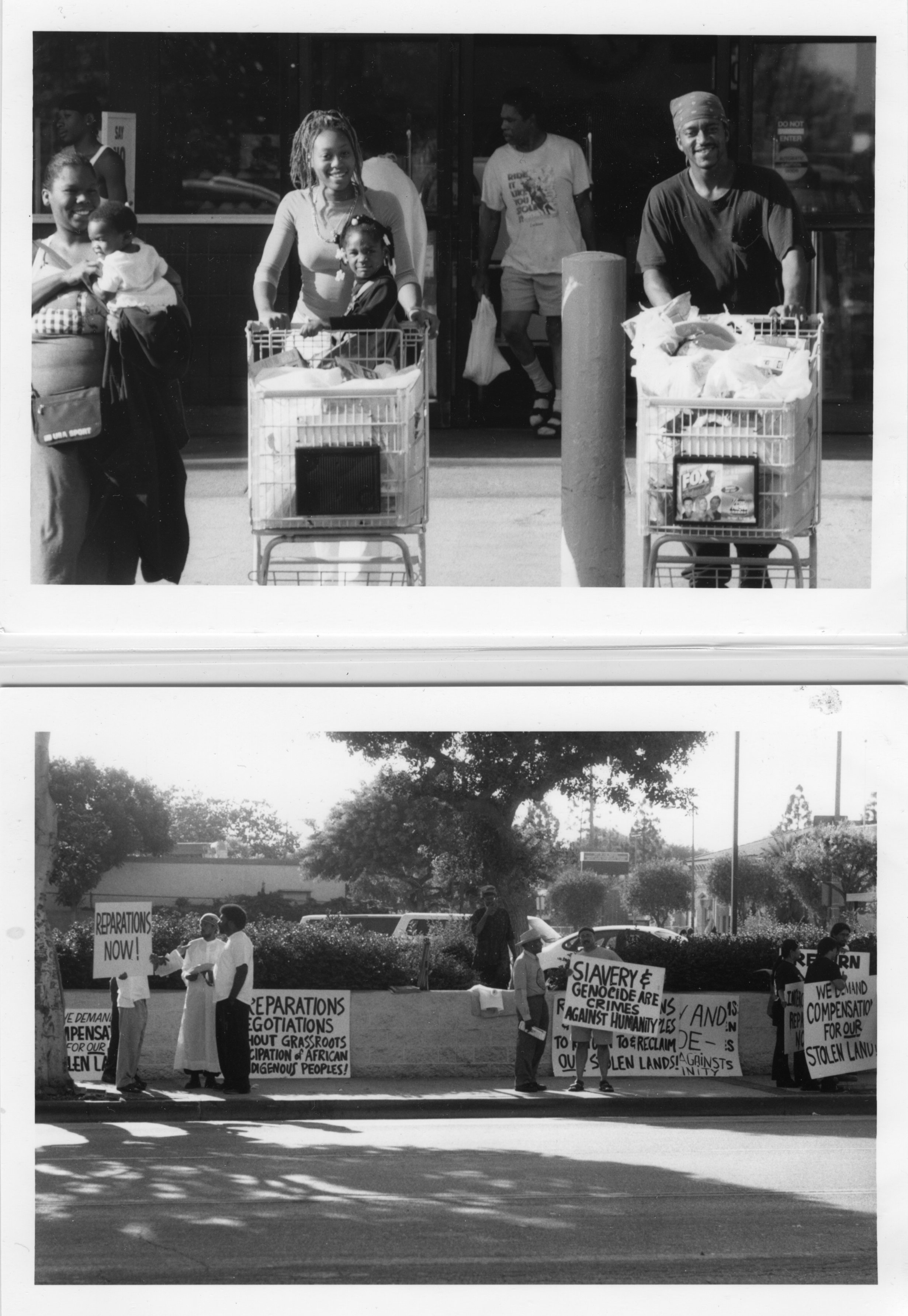
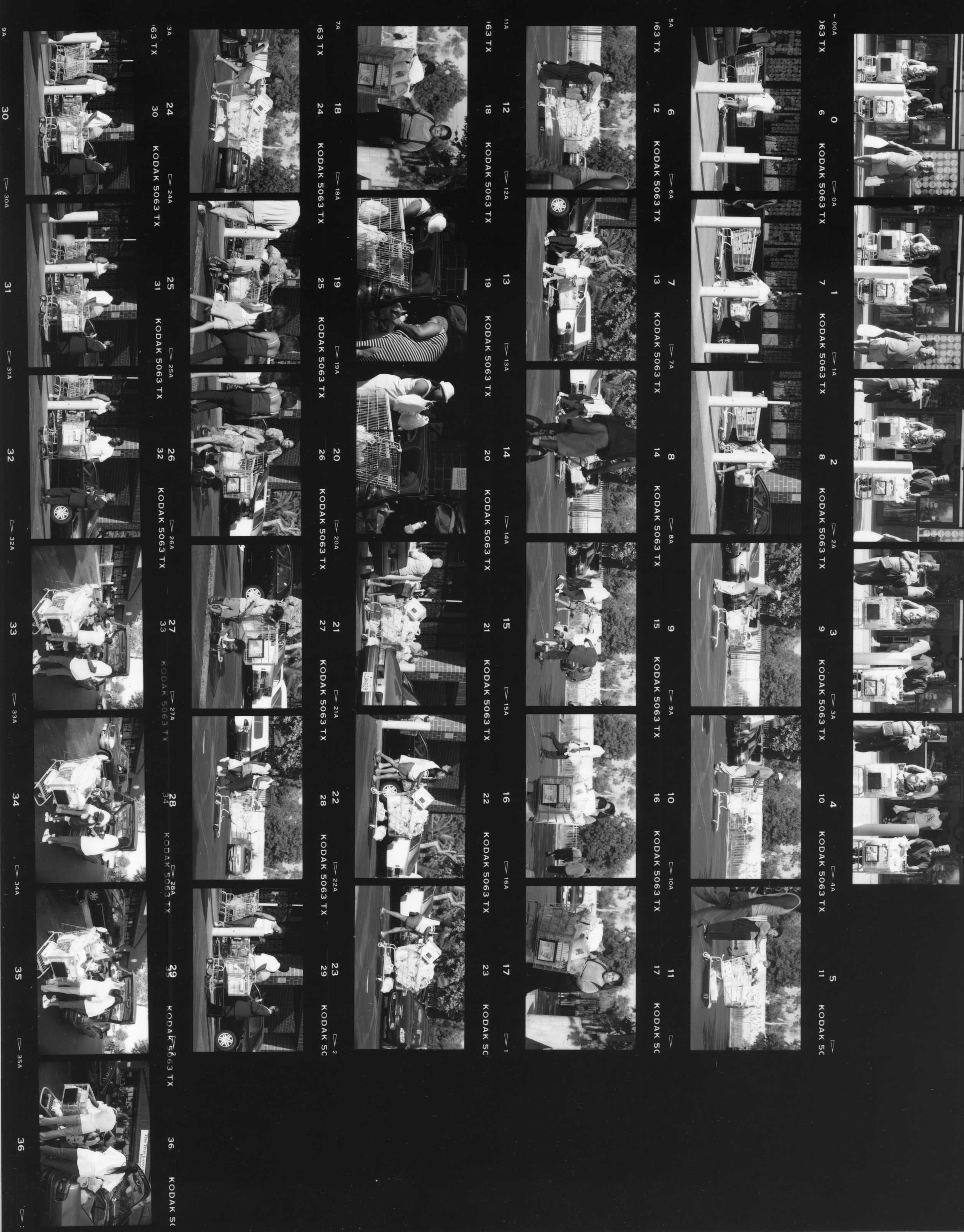
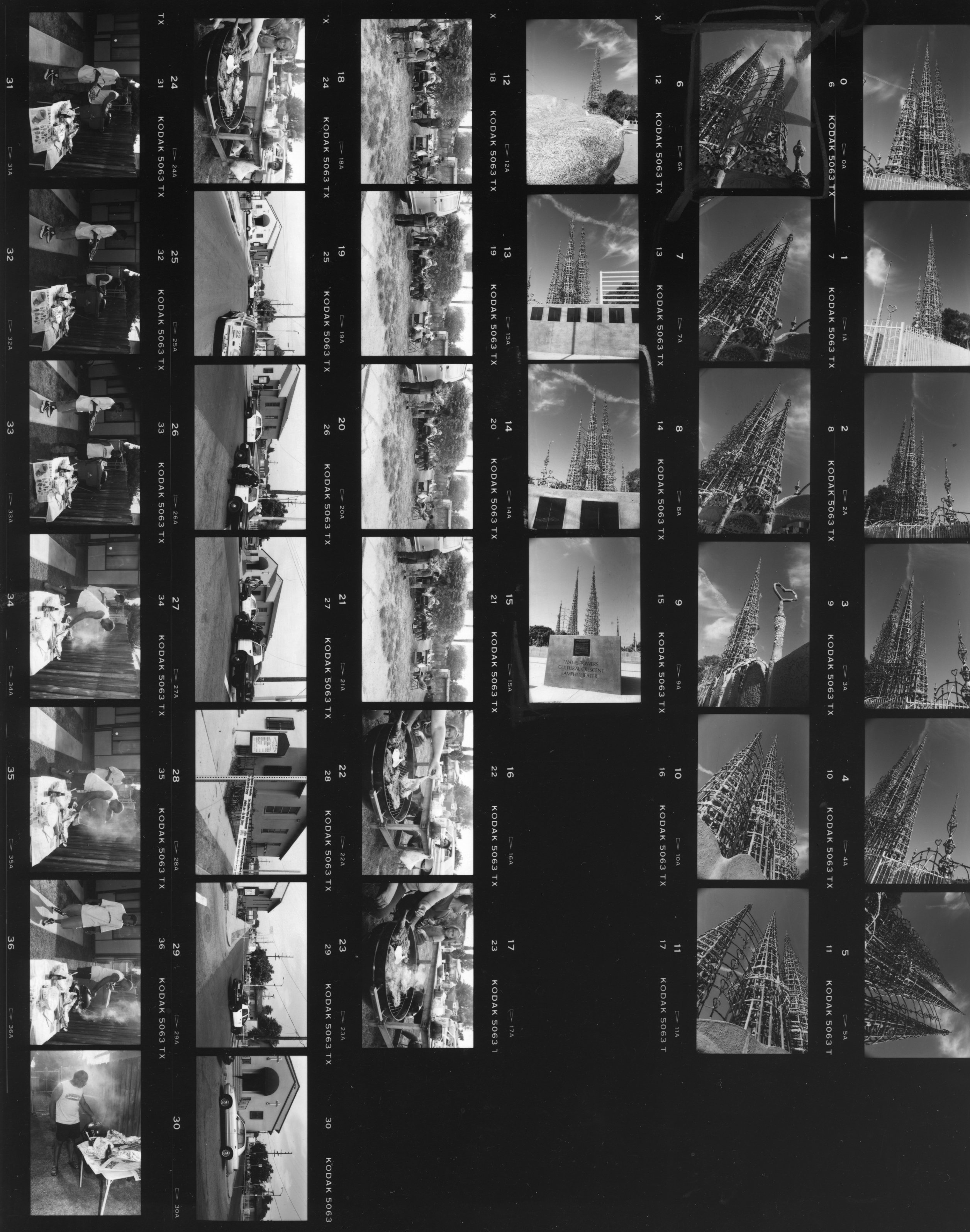
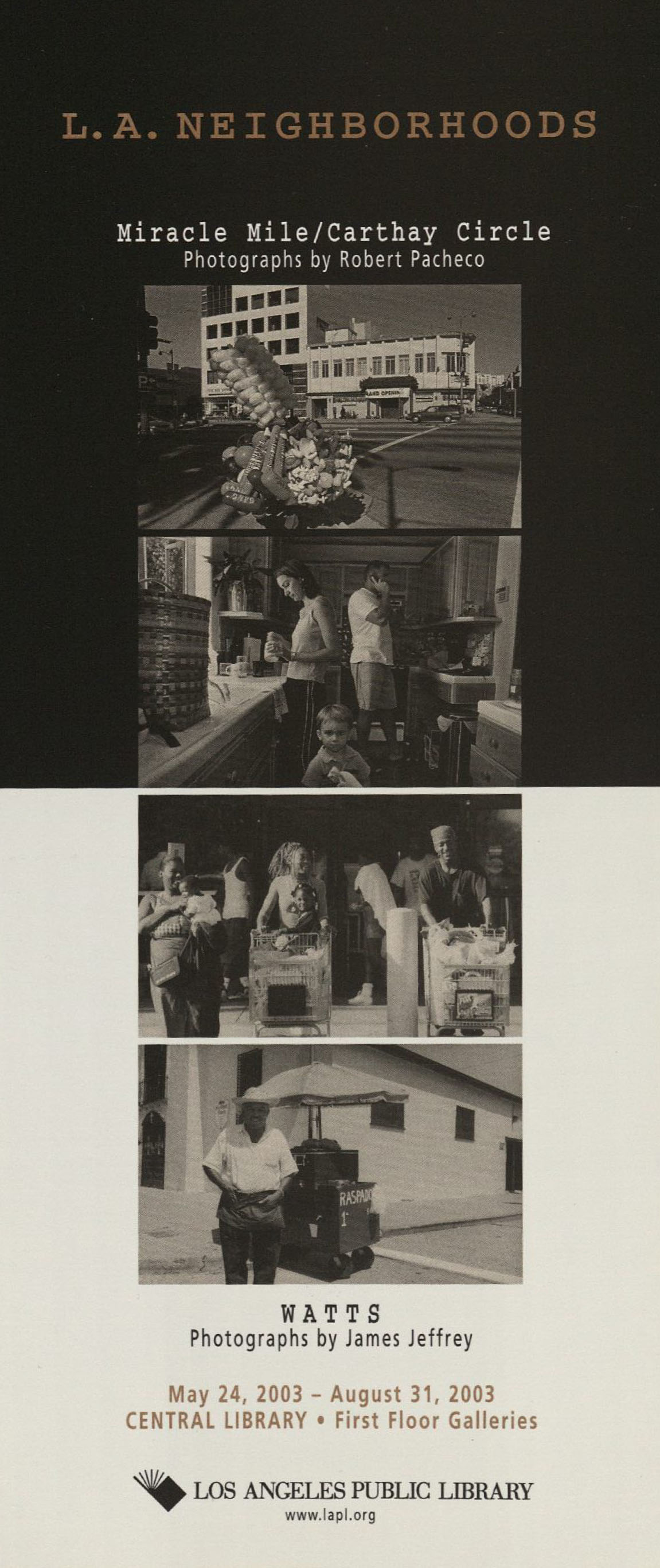
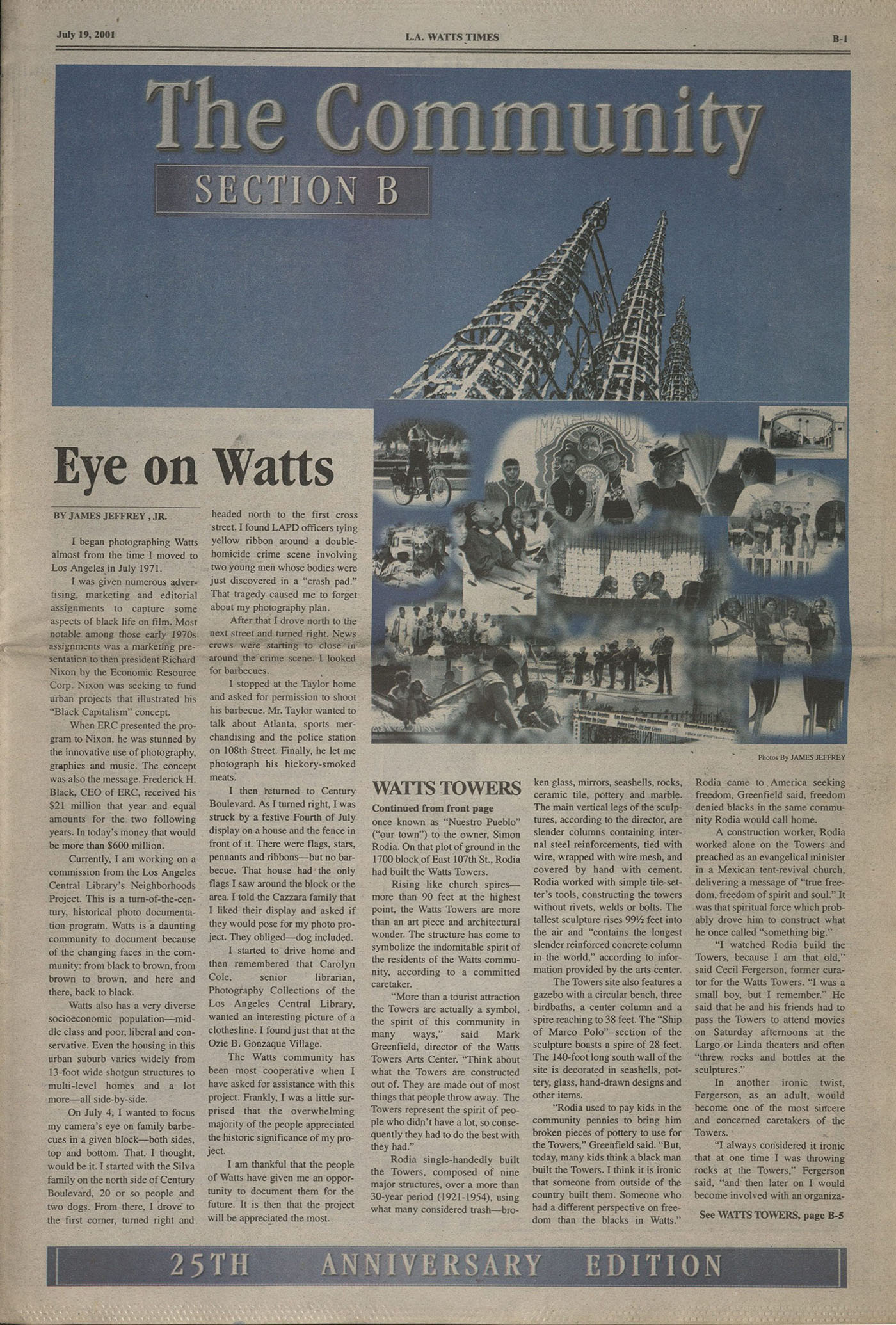
Exploring deeper into South L.A., Jeffrey spotlighted Watts for an exhibit, most actively photographing the neighborhood in 2001 and 2002. For "L.A. Neighborhoods: Miracle Mile/Carthay Circle and Watts" at Los Angeles Public Library Central Library Branch, he exhibited alongside photographer Robert Pacheco in 2003. It stemmed from LAPL's popular Photo Friends project that launched in 1996 to document L.A. County neighborhoods at the turn of the century. In Jeffrey's L.A. Watts Times July 19, 2001 article "Eyes on Watts", he admits "Watts is a daunting community to document because of the changing faces... from black to brown, from brown to brown, and here and there, back to black," after having witnessed dramatic change since first seeing Watts in 1971. A sampling of photos from the project include Black families shopping during a busy Labor Day weekend at Martin Luther King Jr. Shopping Center, Latinx families and vendors near historic San Miguel Catholic Church, the spoken-word Watts Prophets outside of Mafundi Institute, and iconic Watts Towers. After the project in a July 20, 2003 interview for Los Angeles Times Magazine, he warmly reflected, "It's like a person hired to photograph a family over a series of years," and felt that Watts embodied "the Los Angeles phenomenon of ever-changing perspectives."
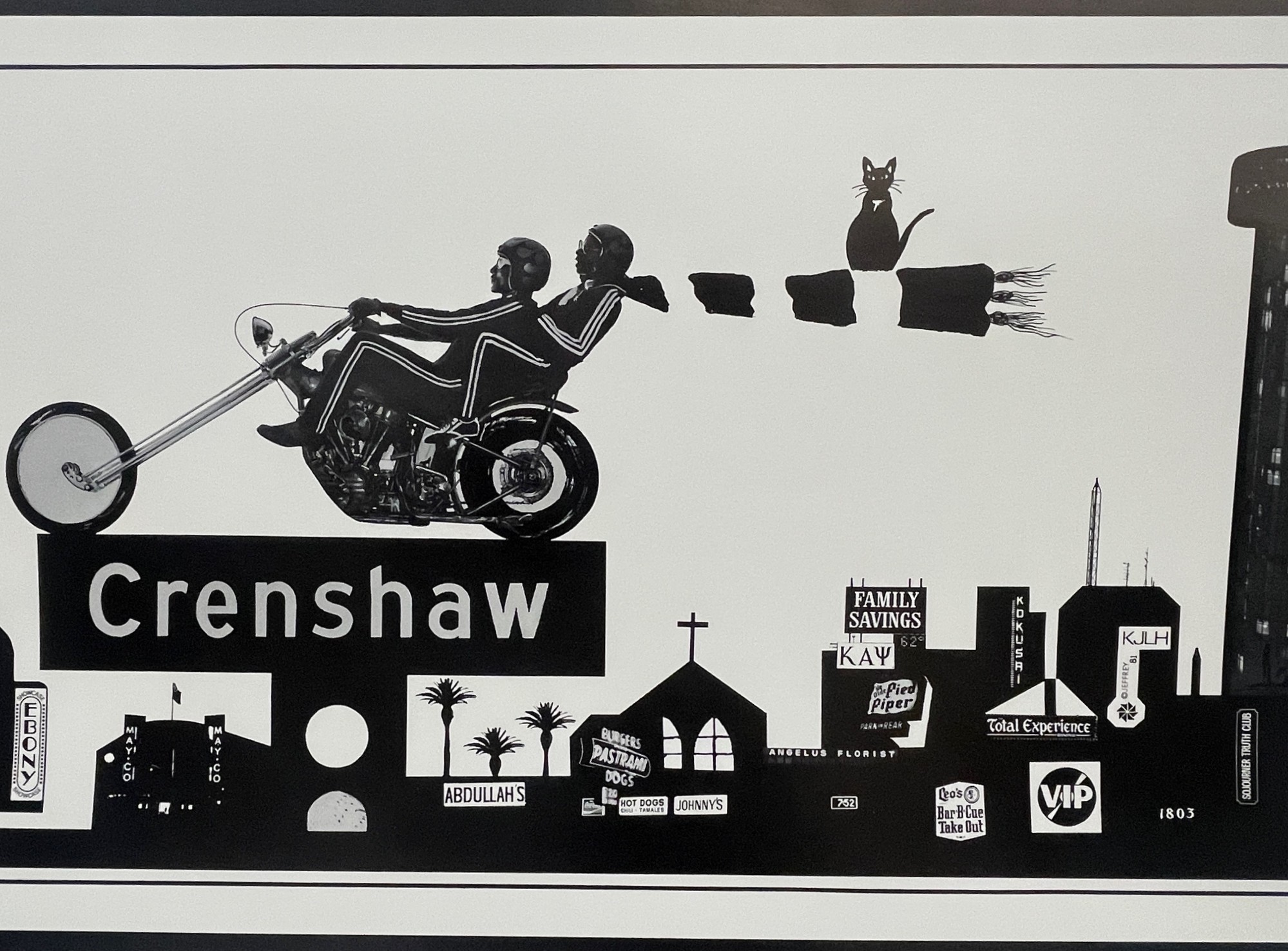
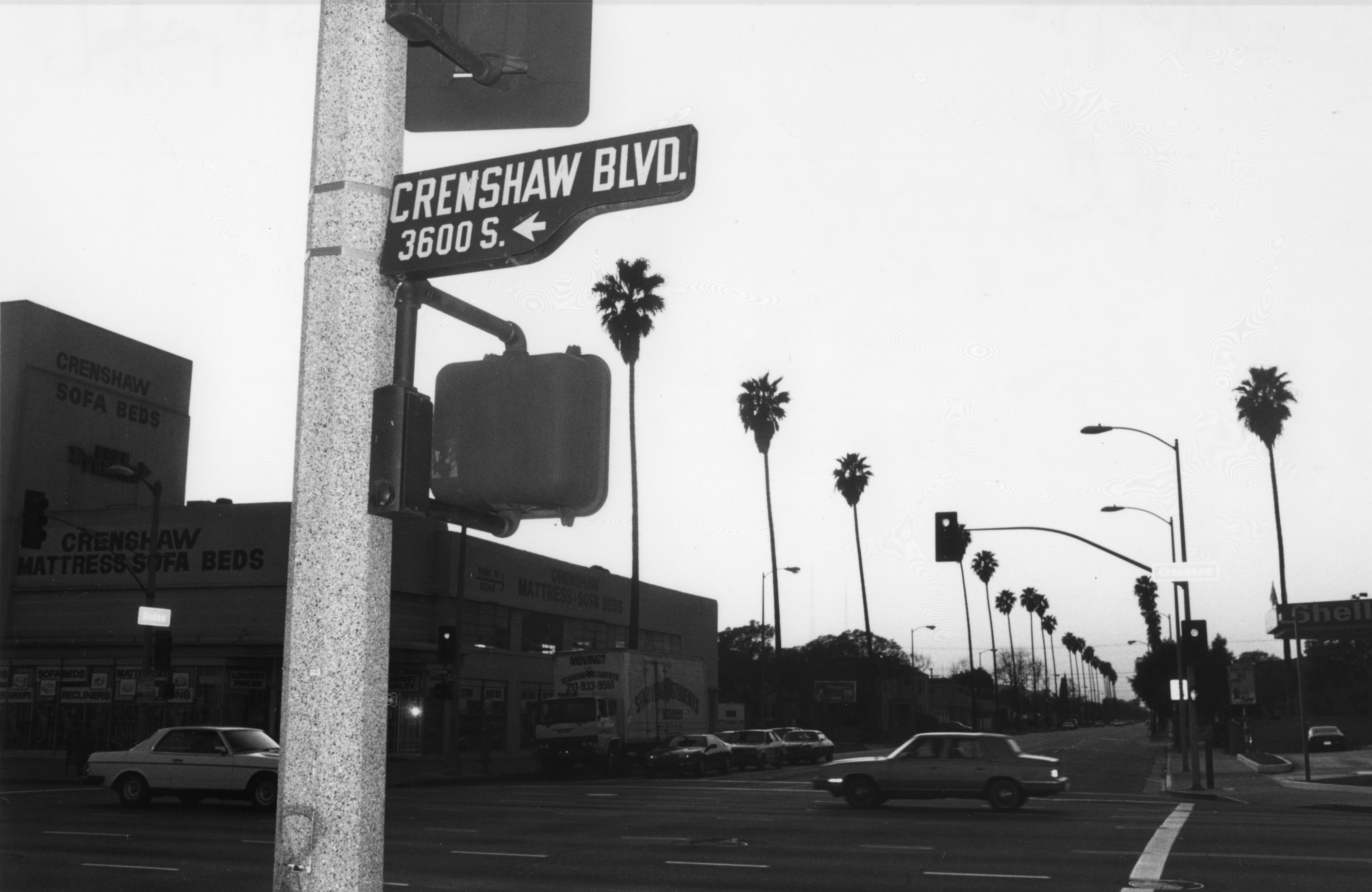
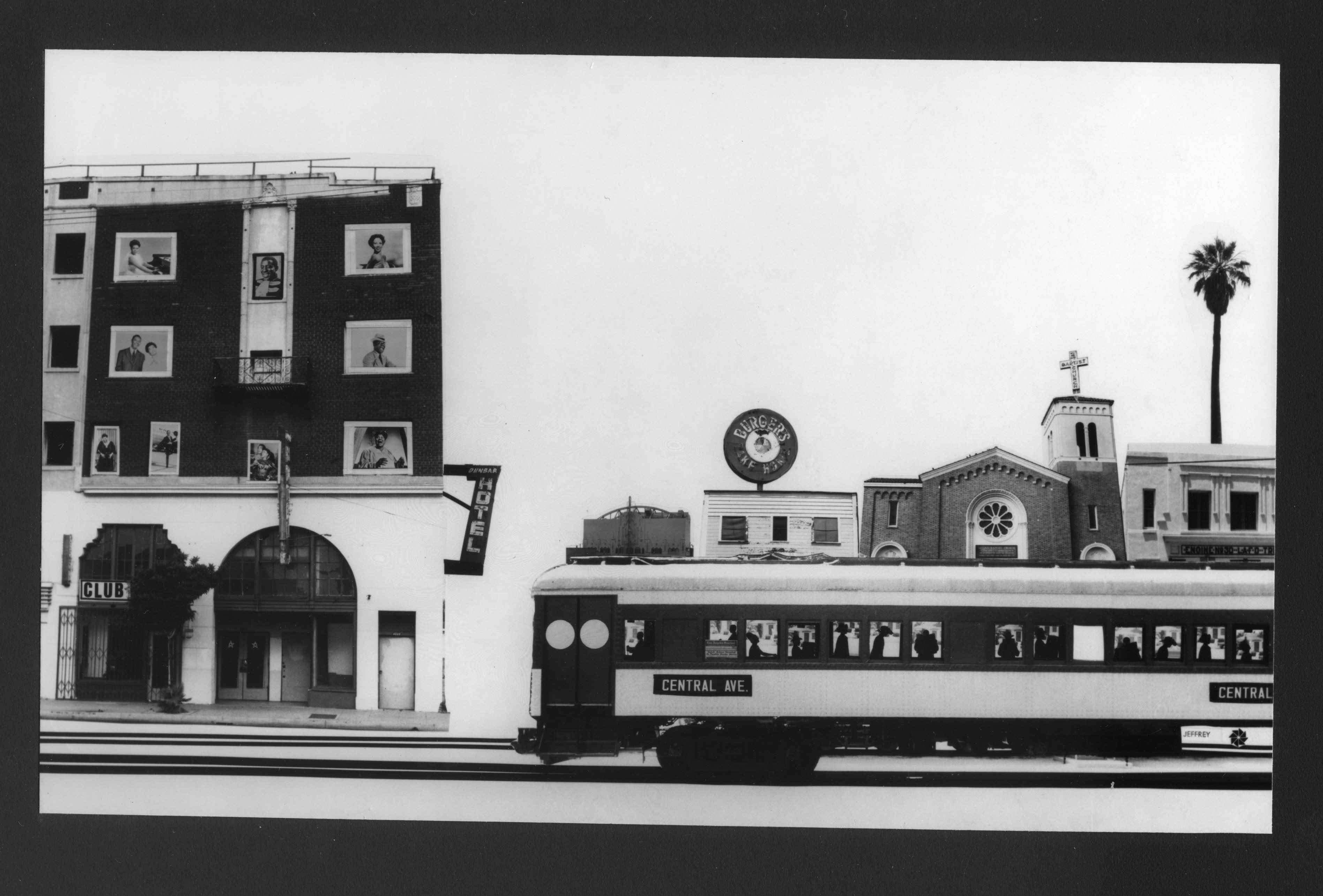
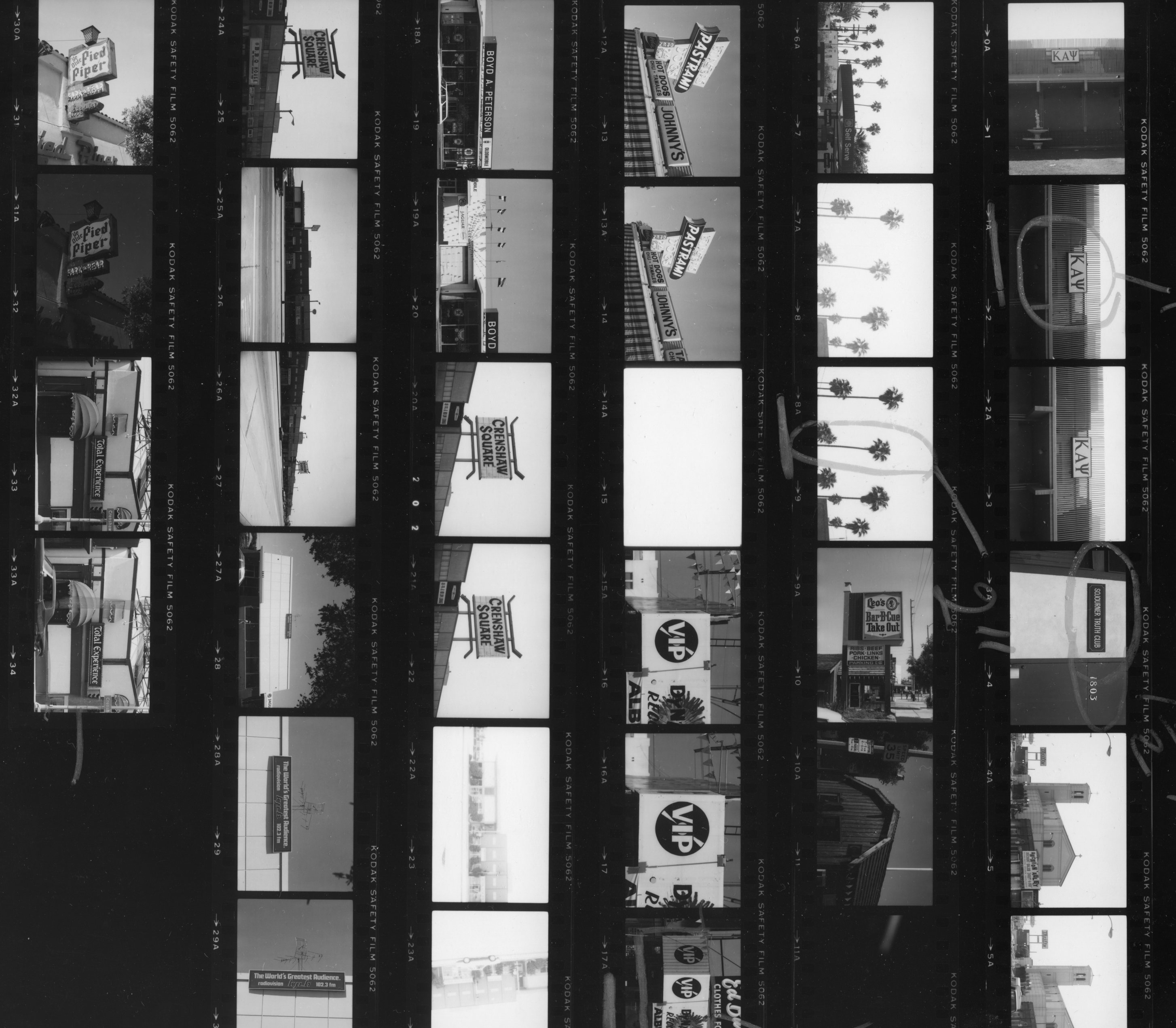
Experimenting beyond straight photography, Jeffrey created several black-and-white composites with cut-up photos and illustrations of which a few were titled after major L.A. streets. These street works captured important places, still existing or not, that were located on or near the designated street. In historical "Central Ave", the prominent places identified are the Dunbar Hotel and Club, Second Baptist Church, and Fire Station No. 30. The hotel's windows frame famous faces gazing out while a red car whizzes by. In "Crenshaw Ave", he squeezes in more local landmarks, such as KJLH radio station, Ebony Showcase Theatre, Kokusai Theater, Abdullah's, Kappa Alpha Psi fraternity, and the Pied Piper nightclub, and playfully incorporates a jumpsuit-adorned couple cruising mid-air, scarf and cat in tow. These signature Jeffrey pieces were often printed as posters.
Hundreds of more takes on Jeffrey's Black L.A. can be found in his collection. Other photographers that were in Jeffrey's circle include Roland Charles, Calvin Hicks, Bob Douglas, Maxie Floyd, and Jack Davis, and their collections and ways of seeing L.A. are also available to view in Special Collections & Archives.
Image Gallery




Post tagged as: los angeles, photographs, bradley center
Read more Peek in the Stacks blog entries