Down, Down to Devonshire Downs
September 08, 2026
The fate of Devonshire Downs is one of a public institution at odds with public trust and community tradition. Archival materials housed at Special Collections & Archives including letters, ephemera, financial audits, construction plans, and correspondence between politicians and campus officials illustrate this dilemma across multiple collections.
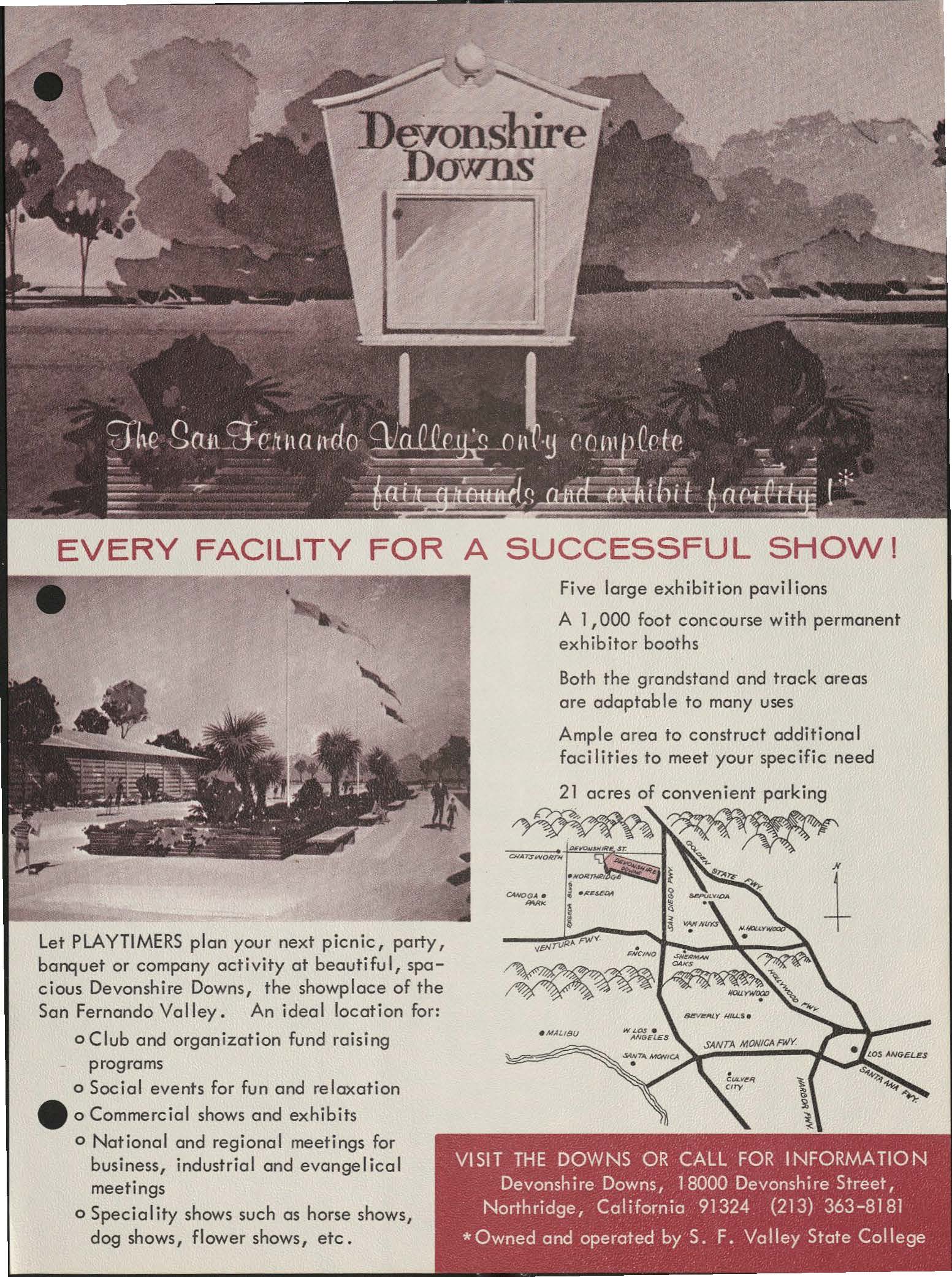
In 1943, the land was first acquired by the 51st Agricultural District, a state institution that intended to use it as a racetrack and the site of the San Fernando Valley Fair. By the 1950s, state officials disbanded the 51st District, and Devonshire Downs' facilities slowly eroded, to the dissatisfaction of Northridge's residents. CSUN, then known as San Fernando State College, became the new owner of the Downs on the condition that the university sustain the grounds independently, without state assistance. This condition marked the start of years of conflict.
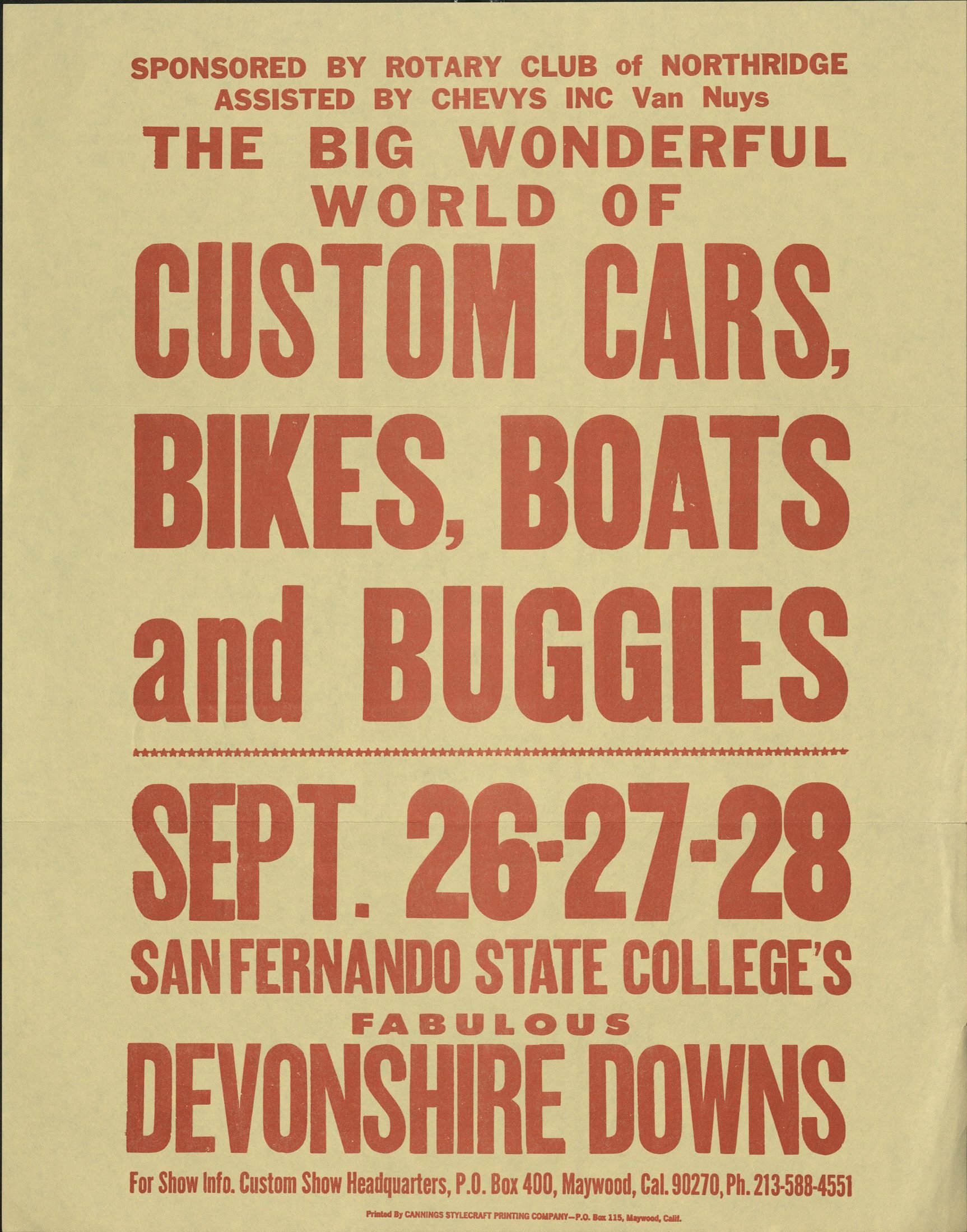
The university produced its own events, having built a football stadium and charging admission. It also rented out the Downs to generate revenue for the grounds' upkeep. Papers from the Office of Presidential Records show that building community trust and collaboration was a priority, reflected in the formation of a dedicated committee. Flyers from the California Young Democrats Collection document a custom car show, a nod to the custom car culture still present in the Valley and across L.A. today. But the biggest event the university licensed, the Newport Pop Festival in June 1969, reignited community resentment over how the grounds were used.
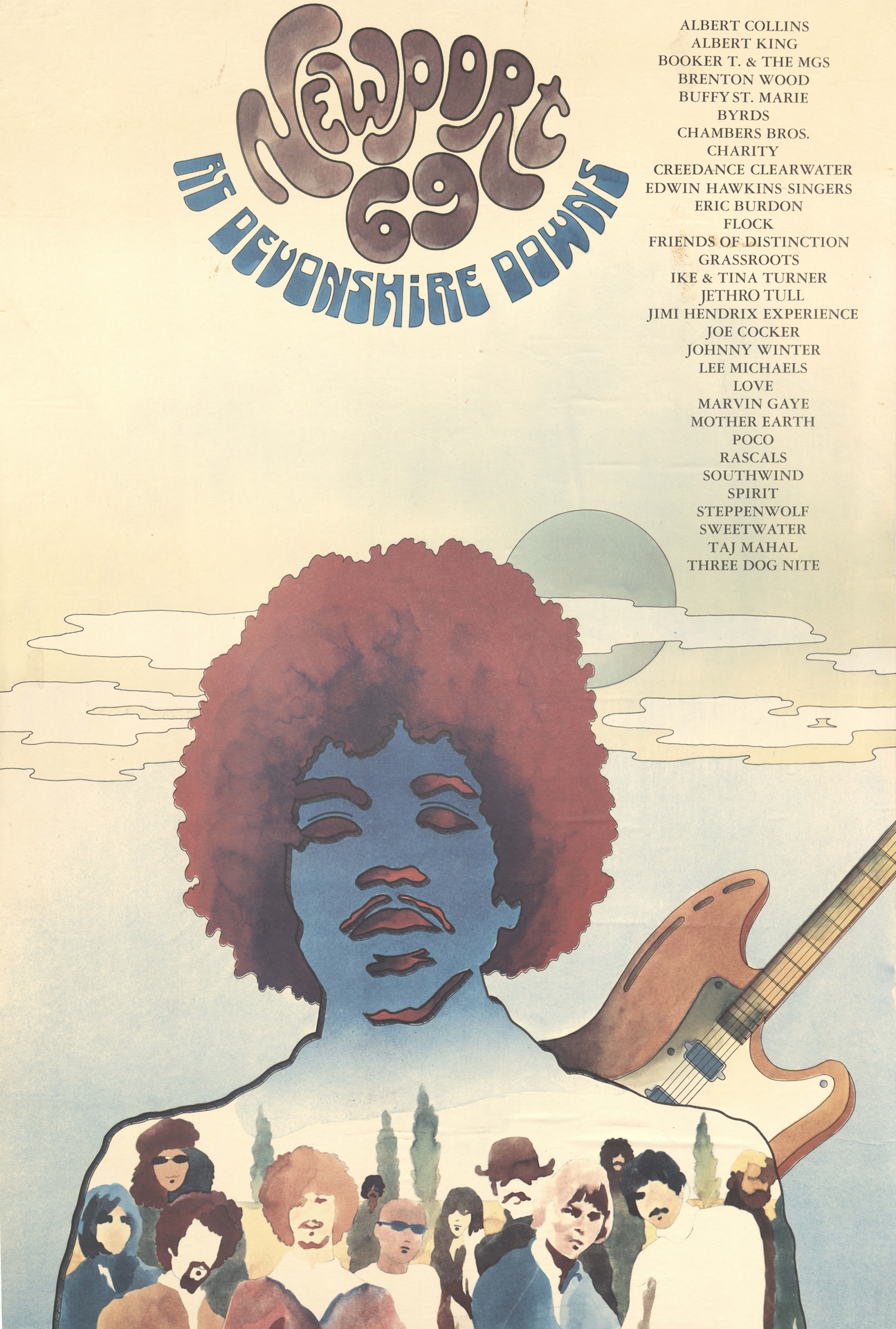
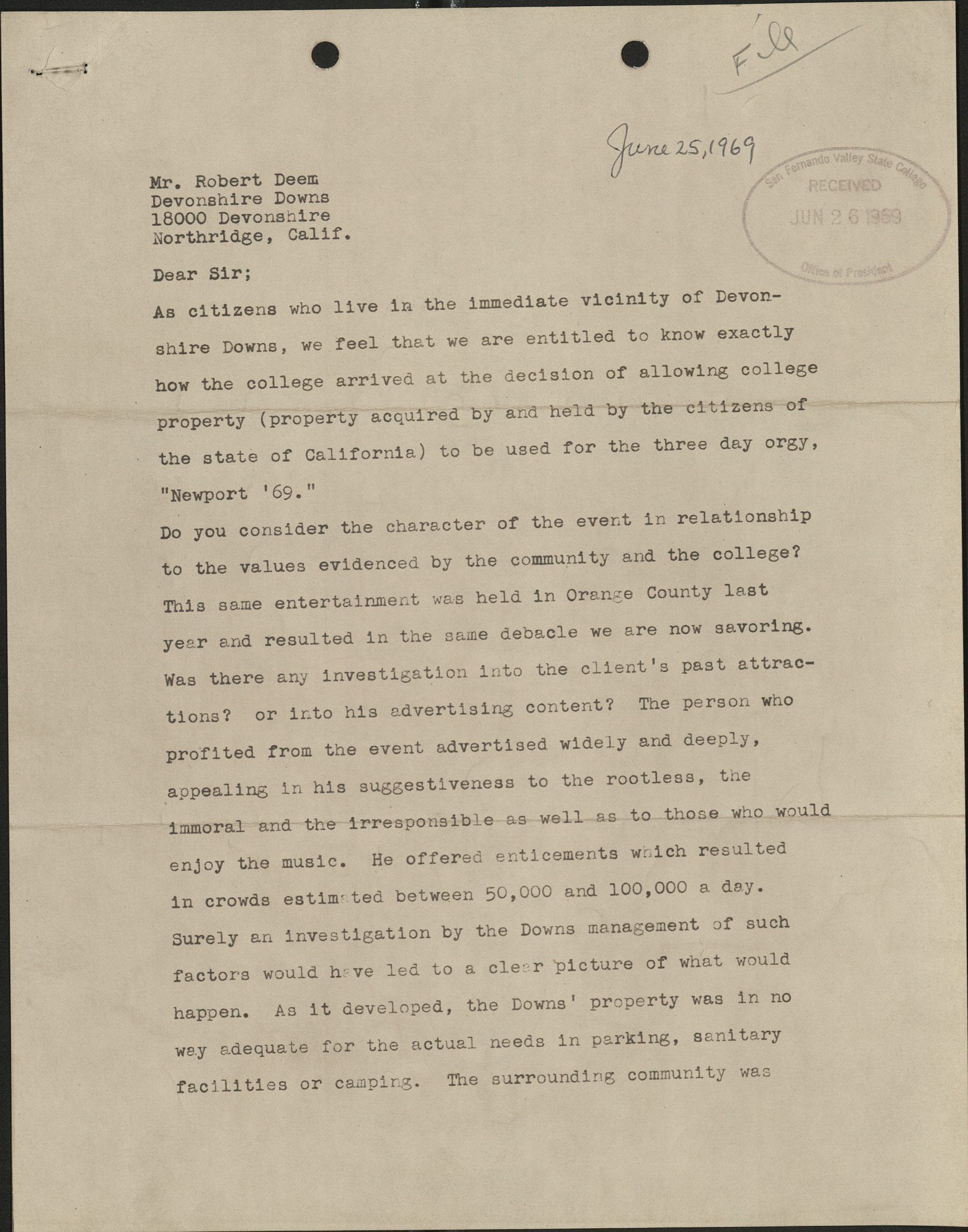
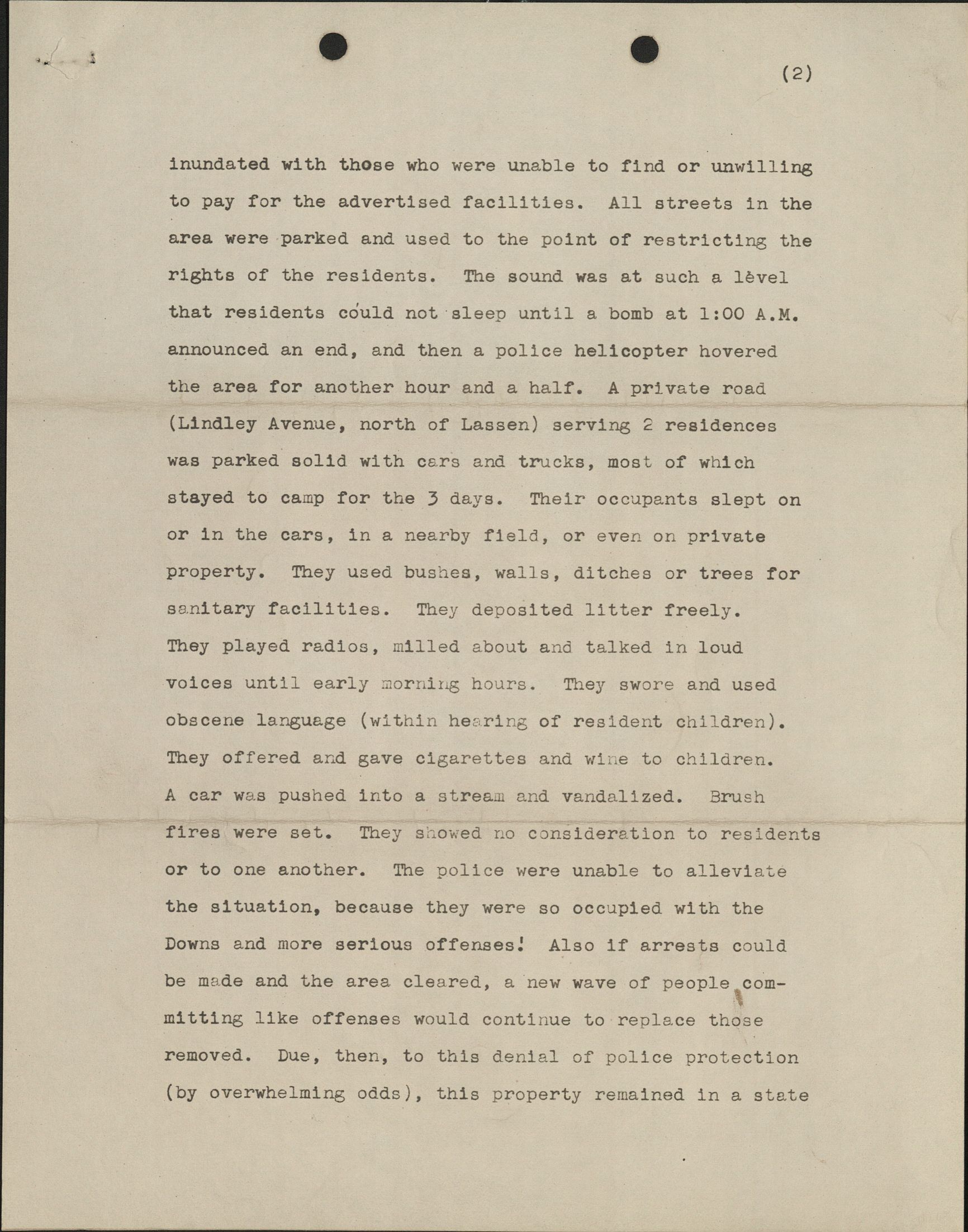
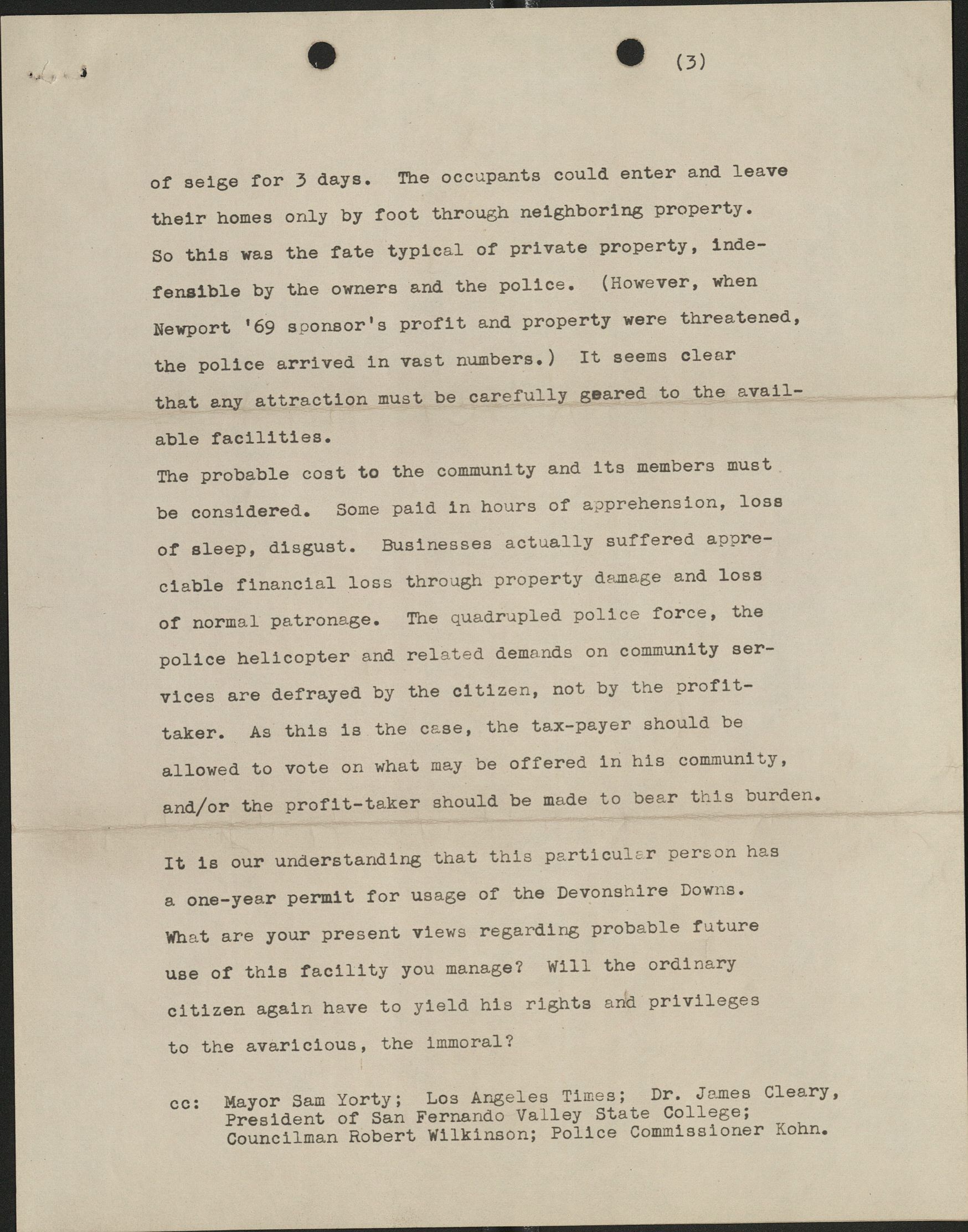
An earlier rock festival, the Fantasy Faire and Music Festival, featuring groups like the Doors and Jefferson Airplane, had been well tolerated. Newport 69 was an entirely different beast: the largest-attended festival at the time, drawing over 200,000 people. A precursor to Woodstock, it featured legendary performances by the Jimi Hendrix Experience, Tina Turner, the Byrds, and Marvin Gaye, all listed on a beautifully printed festival flyer preserved in the archives. The Downs itself couldn't contain the crowds, and many attendees spilled into the surrounding suburbs of Northridge. A letter addressed to the mayor, campus officials, and the Los Angeles Times described the event as a "three-day orgy," detailing how attendees camped on private property, vandalized businesses, and “swore and used obscene language within hearing of resident children.” Even more of these complaints can be read in the same collection and in issues of the Sundial.
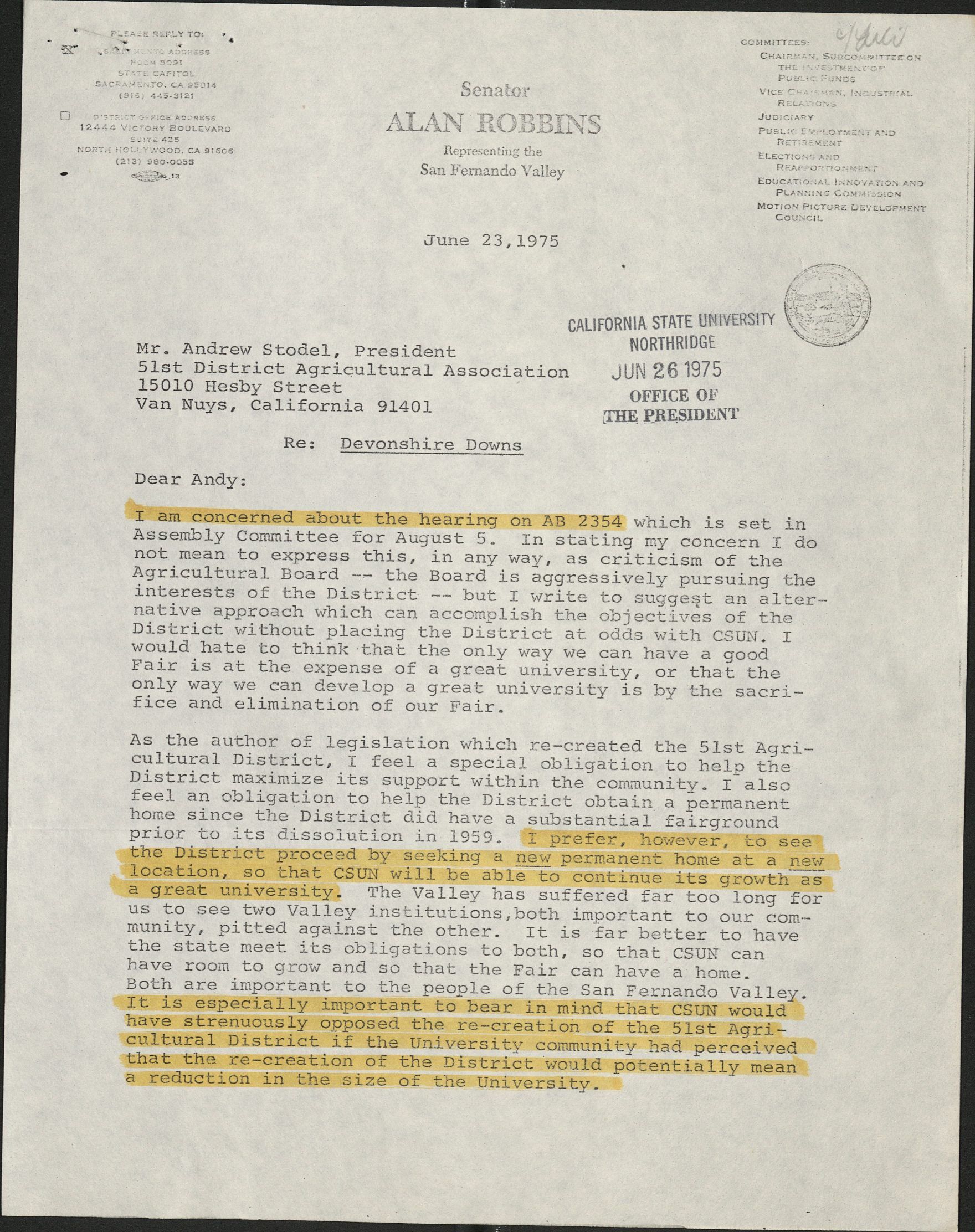
The university faced further backlash when the 51st Agricultural District, reinstated in 1974, challenged its ownership of the Downs. The District sued, asserting it was still the rightful owner despite its earlier disbandment. It complained that the university's rental prices were too high, threatening the San Fernando Valley Fair, a community tradition. It also repeatedly audited the university's financial records for the Downs, alleging violations of the deed, which restricted use of the grounds to educational purposes.
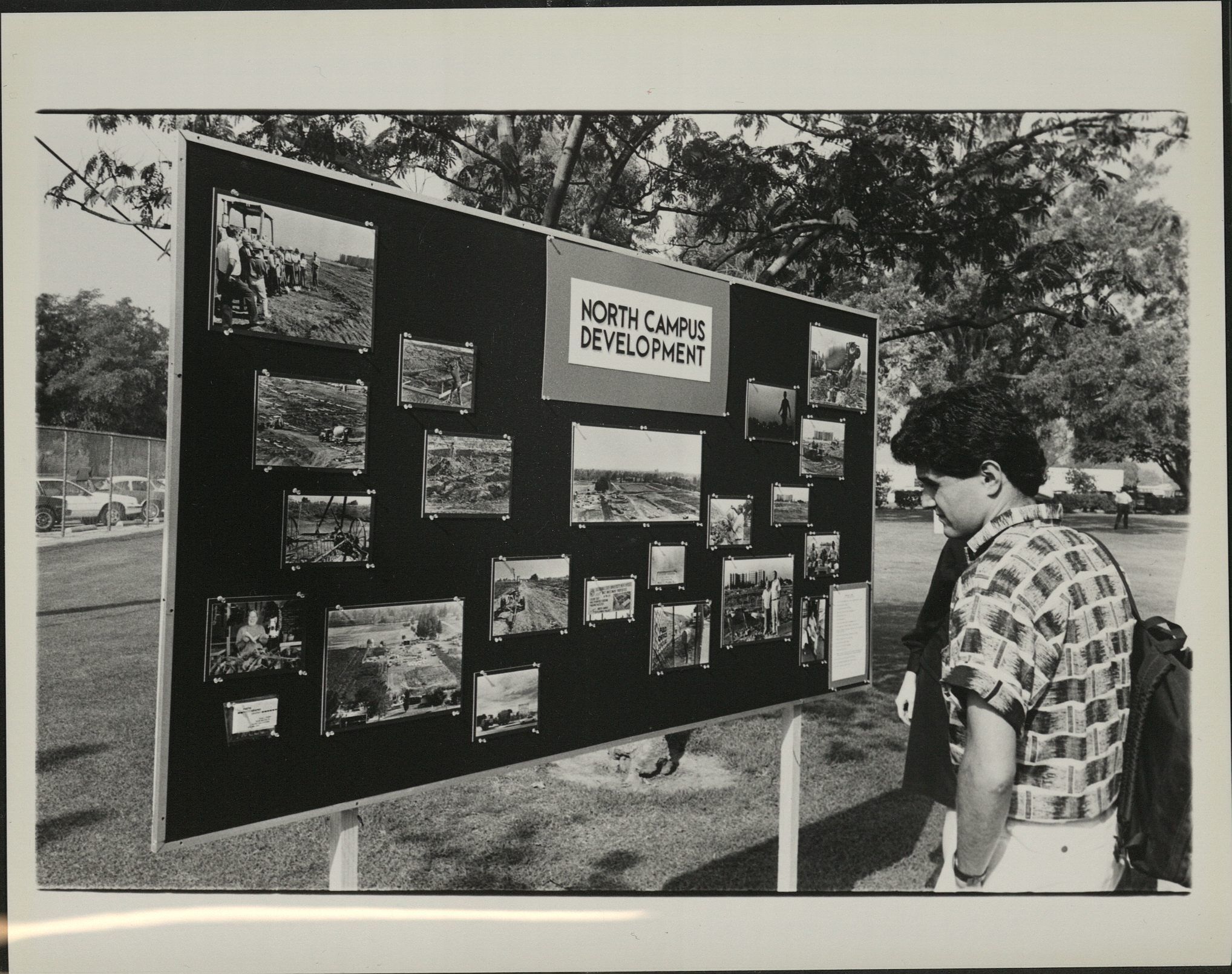
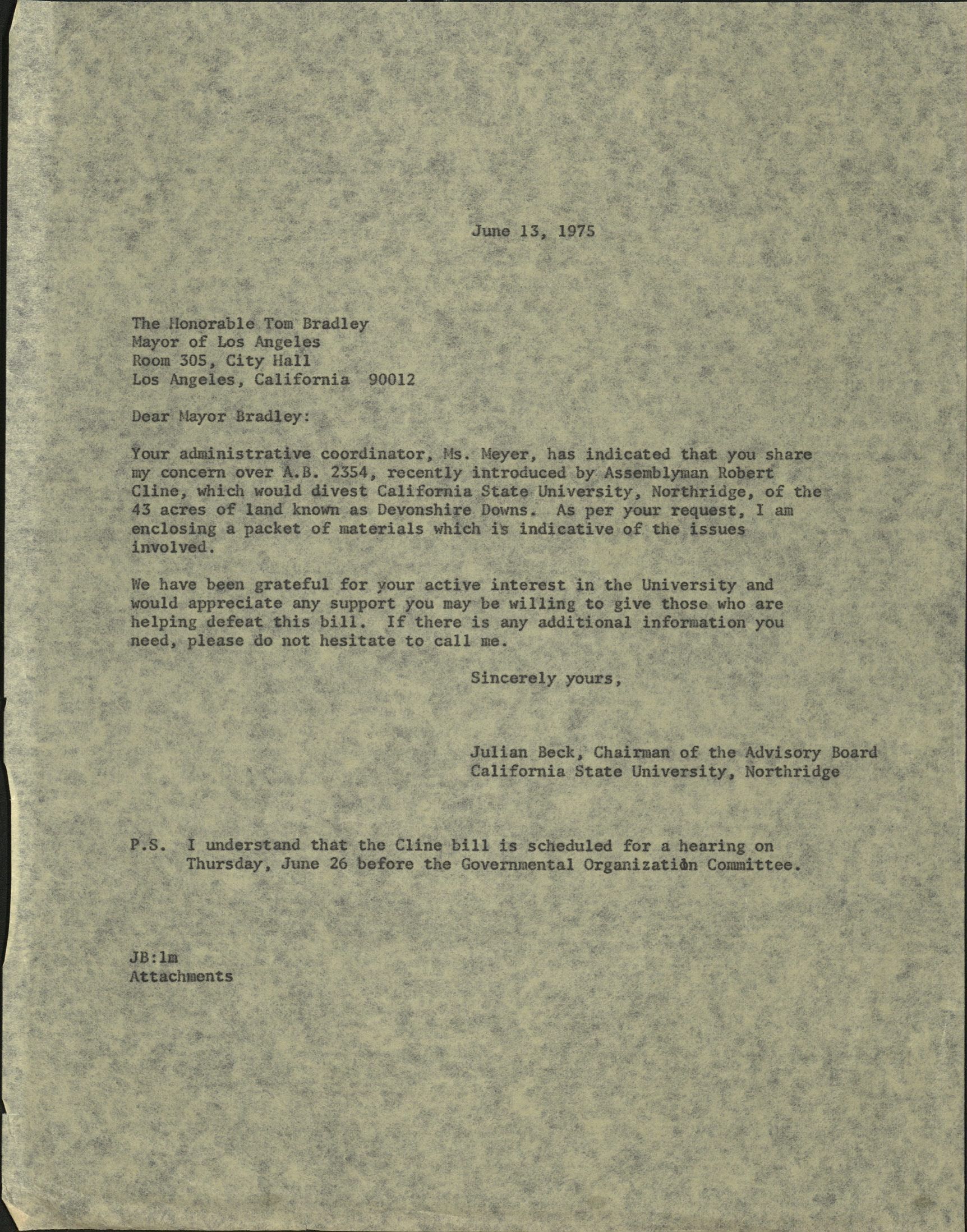
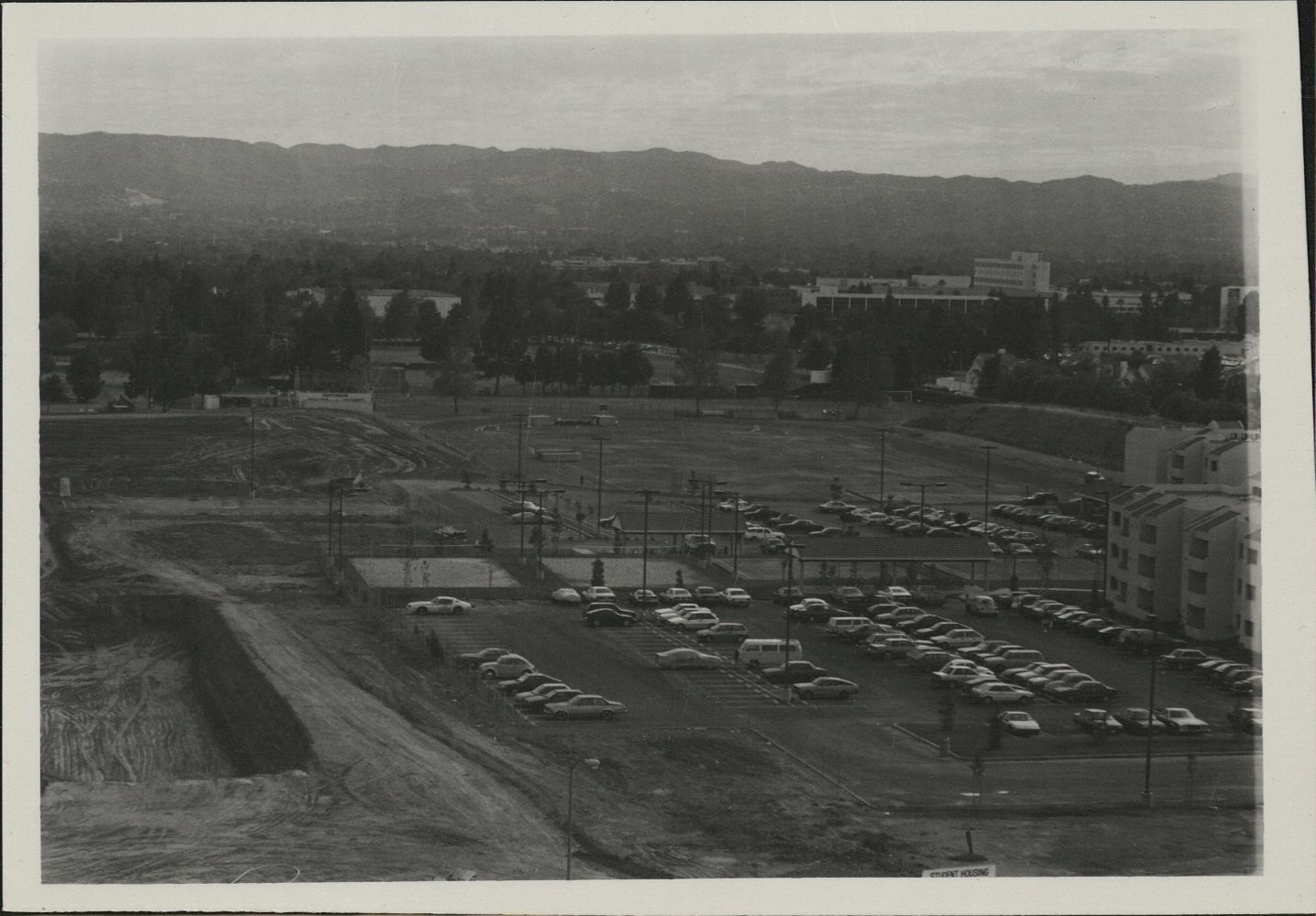
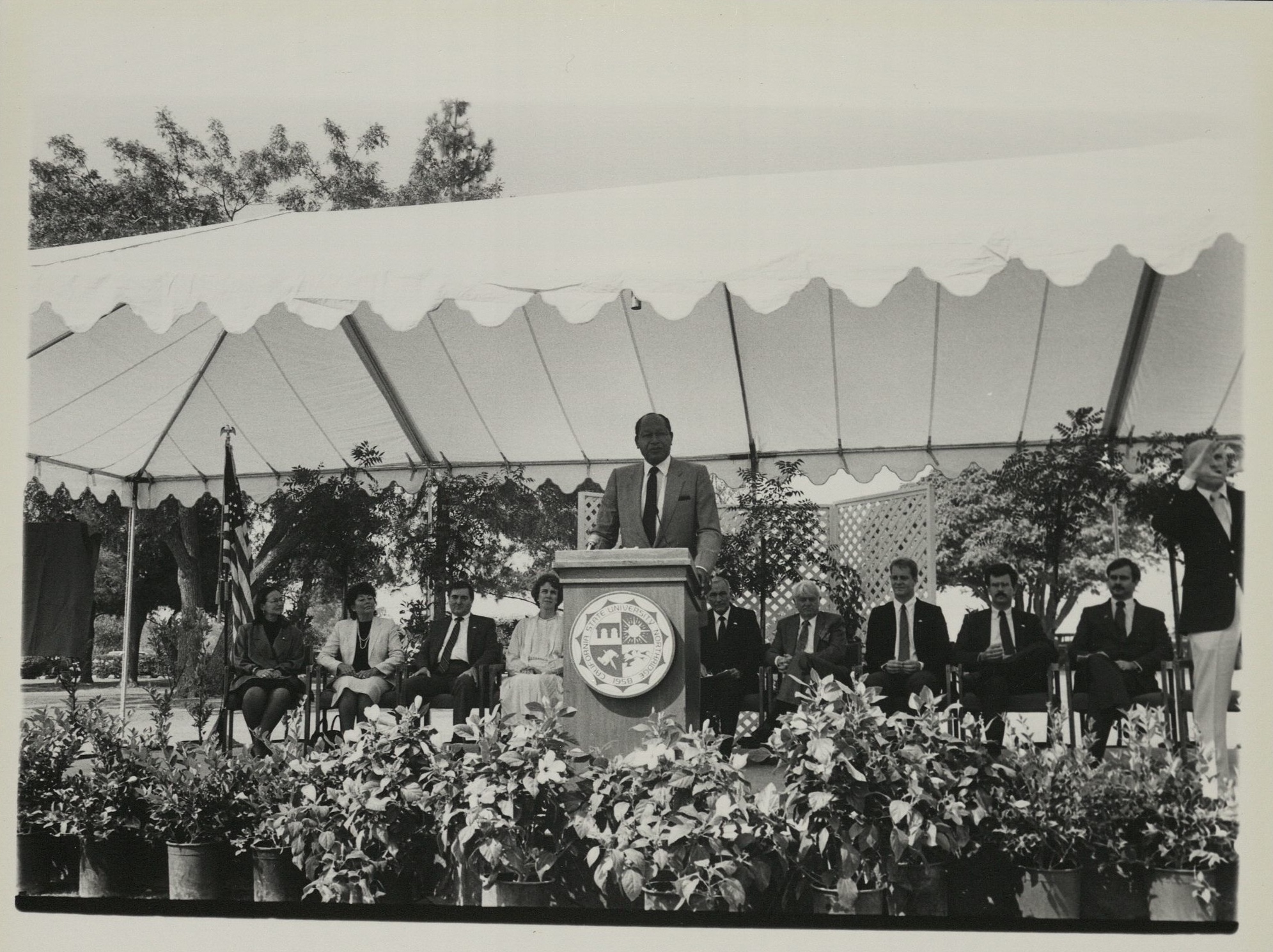
The conflict came to a head when the university announced a master plan for additional student housing, a conference center, and a multipurpose stadium and recreation center. Records from the California Young Democrats Collection show a series of letters to local and state politicians rallying support for the construction against the Agricultural District's lawsuit. The university eventually won the favor of enough leaders, including L.A. Mayor Tom Bradley, and construction of North Campus began in fall 1983.
This piece of history illustrates the larger story of the San Fernando Valley's growing pains, its transformation from an agricultural haven to growing suburban community. The 51st Agricultural District remains in operation today, and the San Fernando Valley Fair is still held intermittently across Los Angeles. More records illustrating the turbulent history of what was once Devonshire Downs can be found by browsing the stacks at Special Collections & Archives.
Image Gallery



Post tagged as: university archives, los angeles
Read more Peek in the Stacks blog entries