Firebird: Russian Art and Culture in the Pages of Jar-ptitza
January 27, 2026
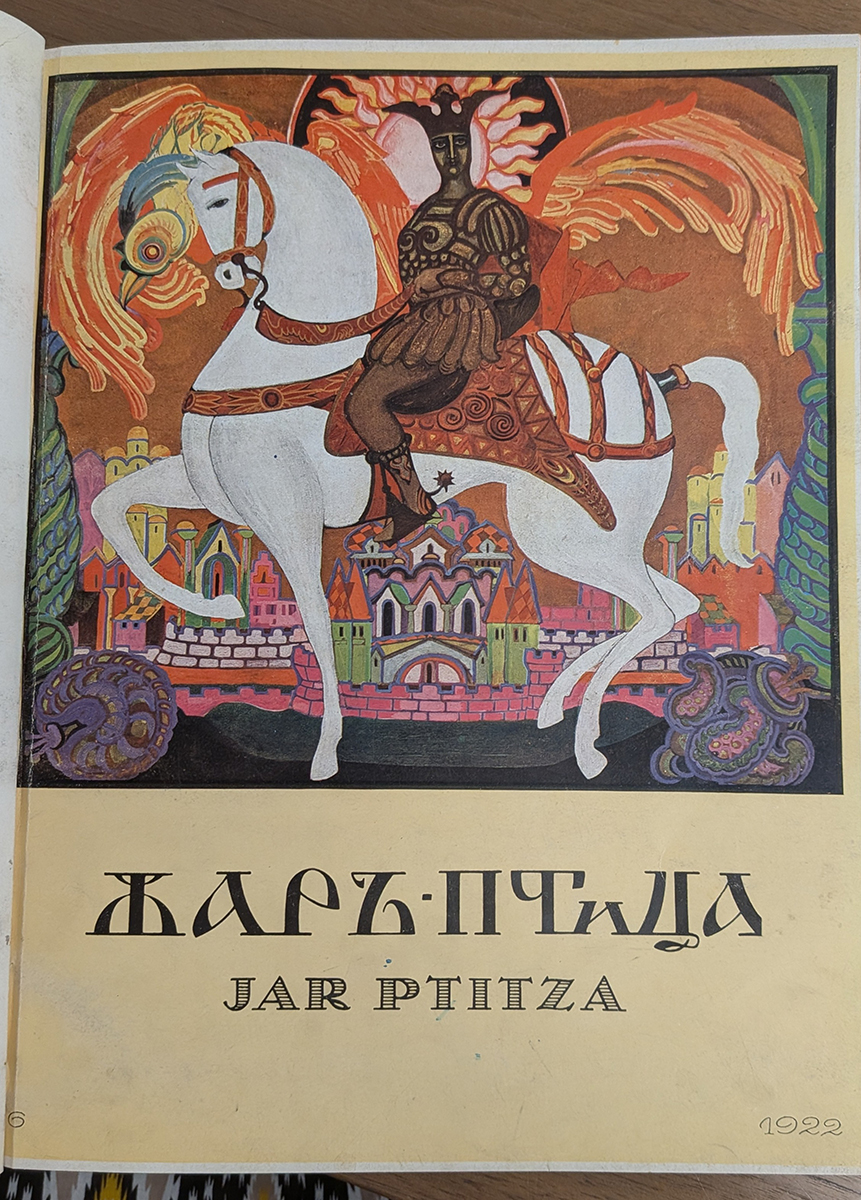
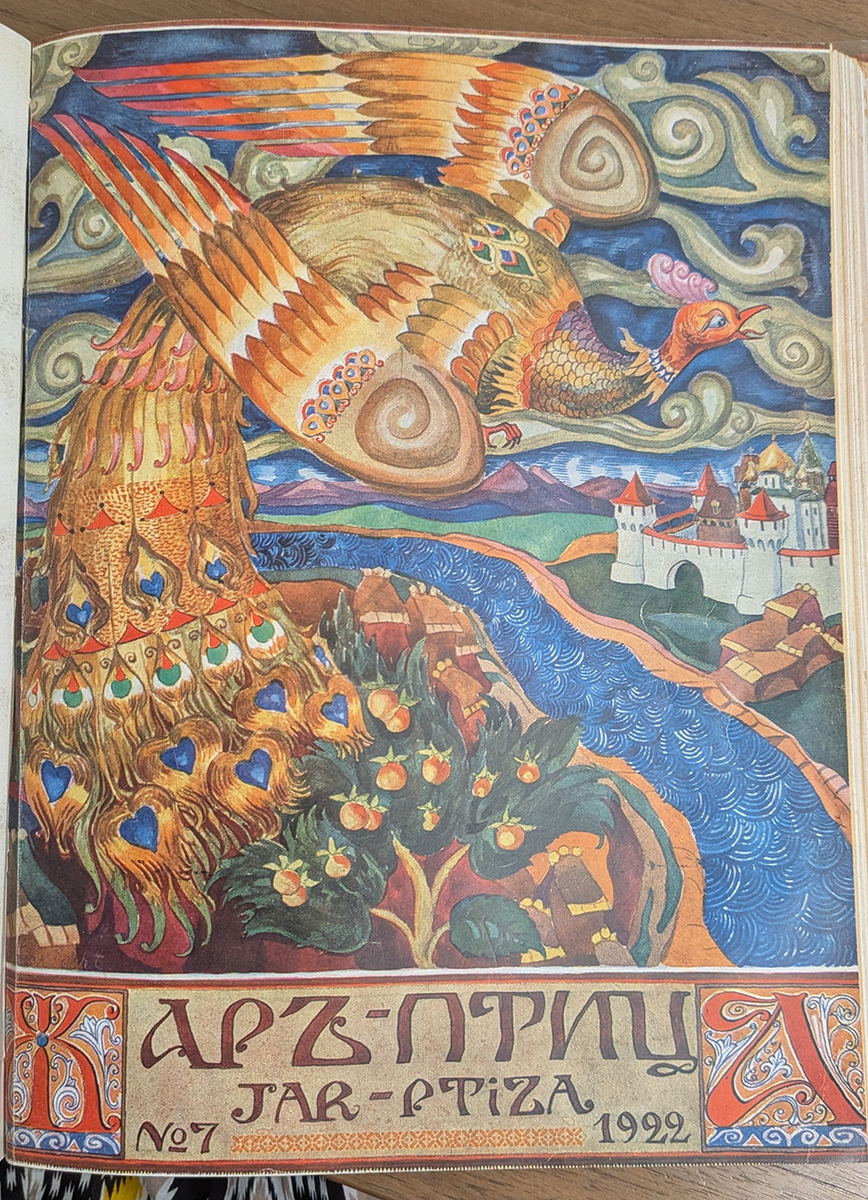
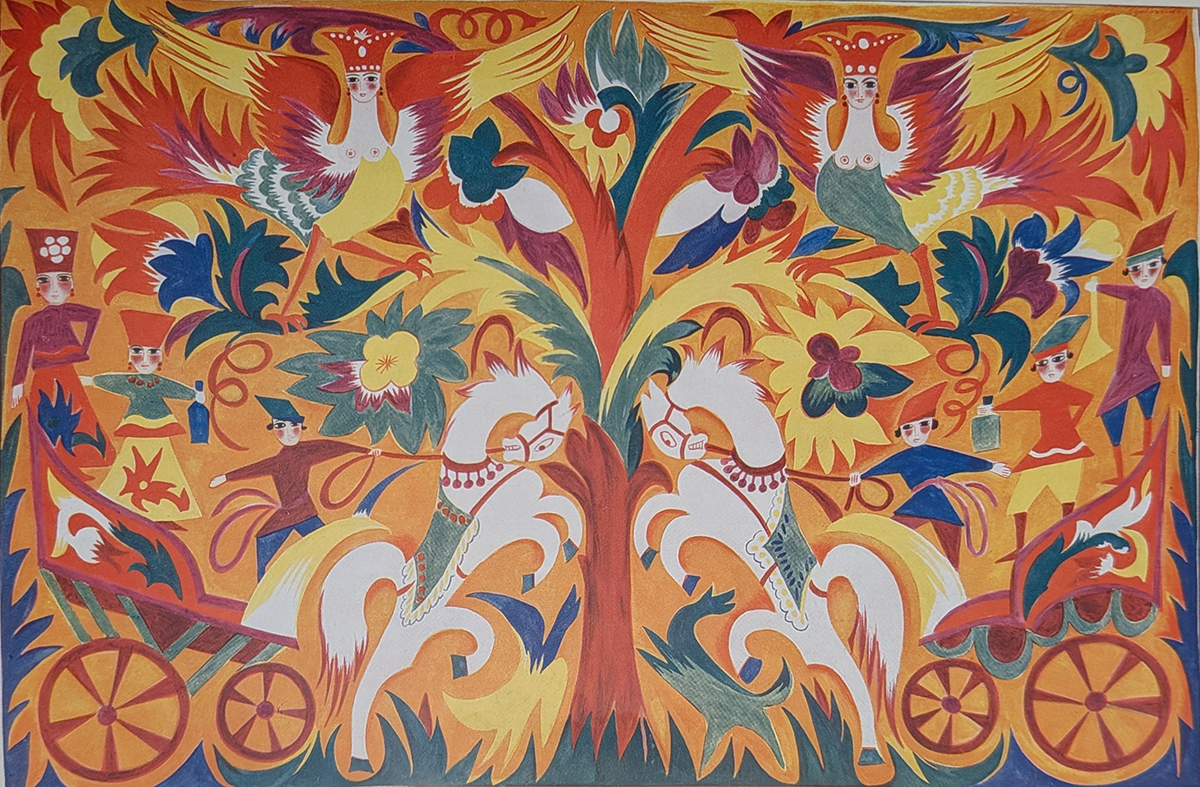
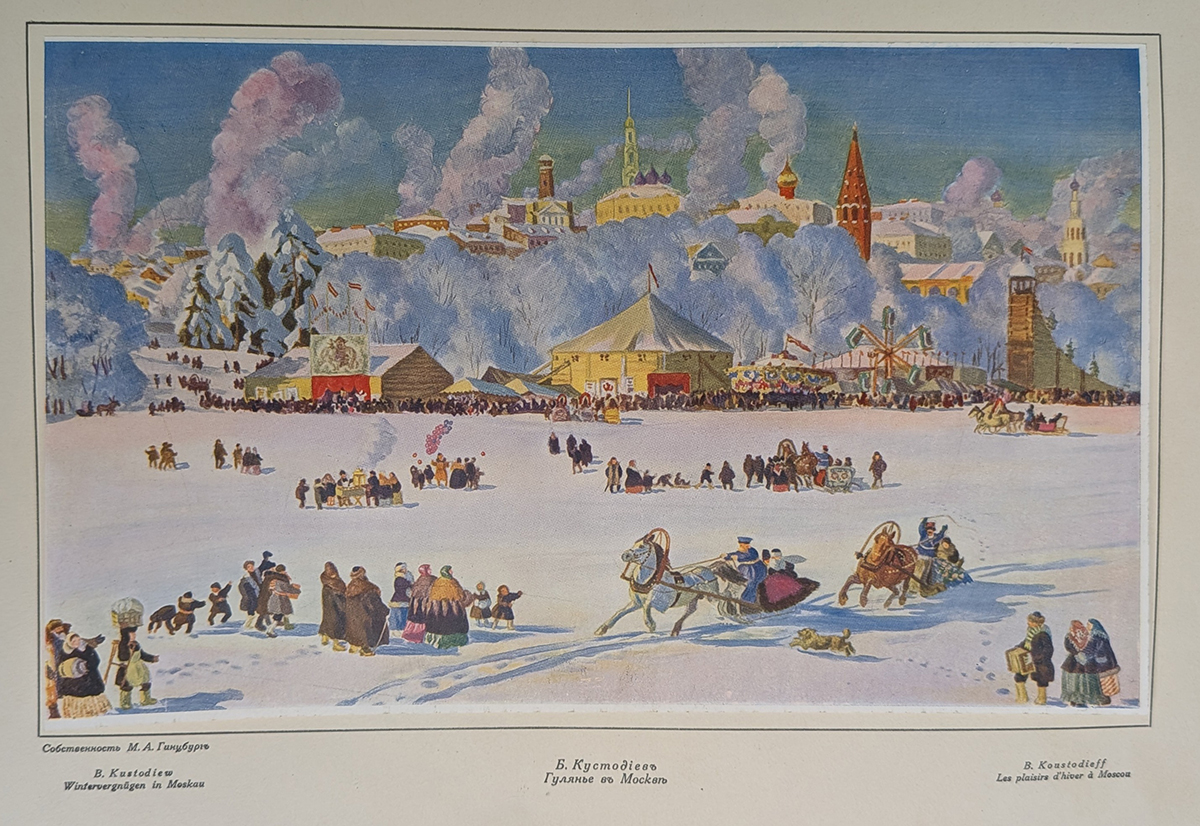
Жаръ-птица, transliterated as Jar-ptitza or Zhar-ptitsa, in English means "Firebird." The journal was a heavily illustrated view of Russian art and literature, written and published by Russian émigrés in Berlin. It was edited by A.E. Kogan between August 1921 until January 1926. Prior to emigrating from Russia, Kogan had worked as a newspaper editor and for a literature publishing house. 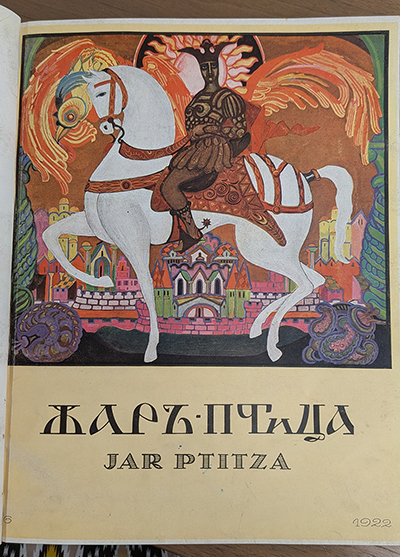 Special Collections & Archives has a run of Жаръ-птица with issues from 1921-1922 as part of the Ludmilla A. Patrick Collection.
Most of the text of the magazine was in Russian, but at the very end of each issue there was a selection of German translations of the original Russian text. Later issues also included English translations of select text. In the magazine’s first issue, the foreword to the German section noted its mission to bring together the work of Russian émigré artists, from painters to poets to dancers and theatre actors. It also clarified that the firebird of this magazine was not akin to the German phoenix, but was its own distinct creature of Russian folklore "which flies into the dark garden at midnight when no one expects it; its radiant plumage makes everything around it shine. It carries the dream of longing on its wings; it brings joy and delight! Everyone knows how heavy the darkness is upon our Russian homeland, and heavy as a nightmare is the news that reaches us from there."
By the early 1920s the Russian Empire had undergone decades of political upheaval and revolution. Years of unrest had pushed many intellectuals, artists, and political dissidents to emigrate to other nations. At the time of Jar-ptitza’s debut issue, Russia was in a period of civil war and in the process of transforming from the Russian Empire, into the Soviet Union.
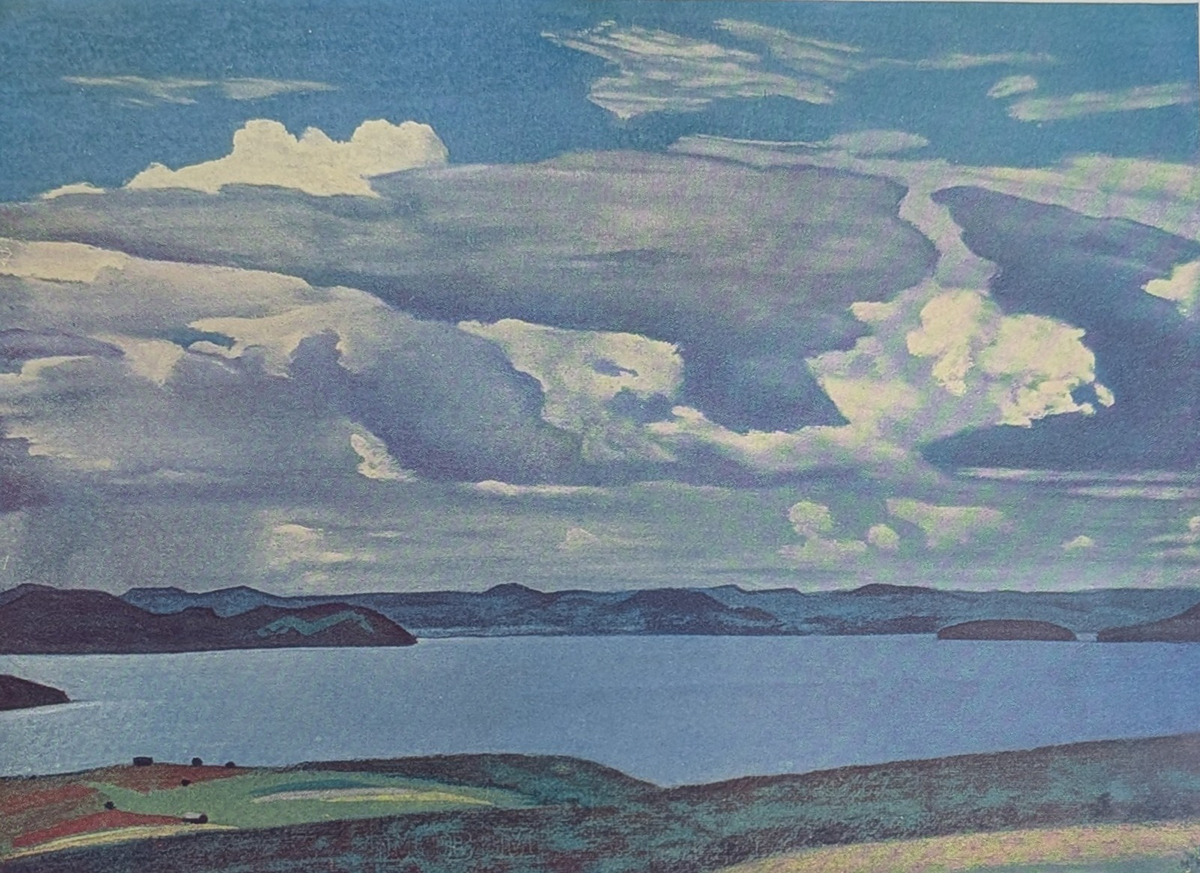
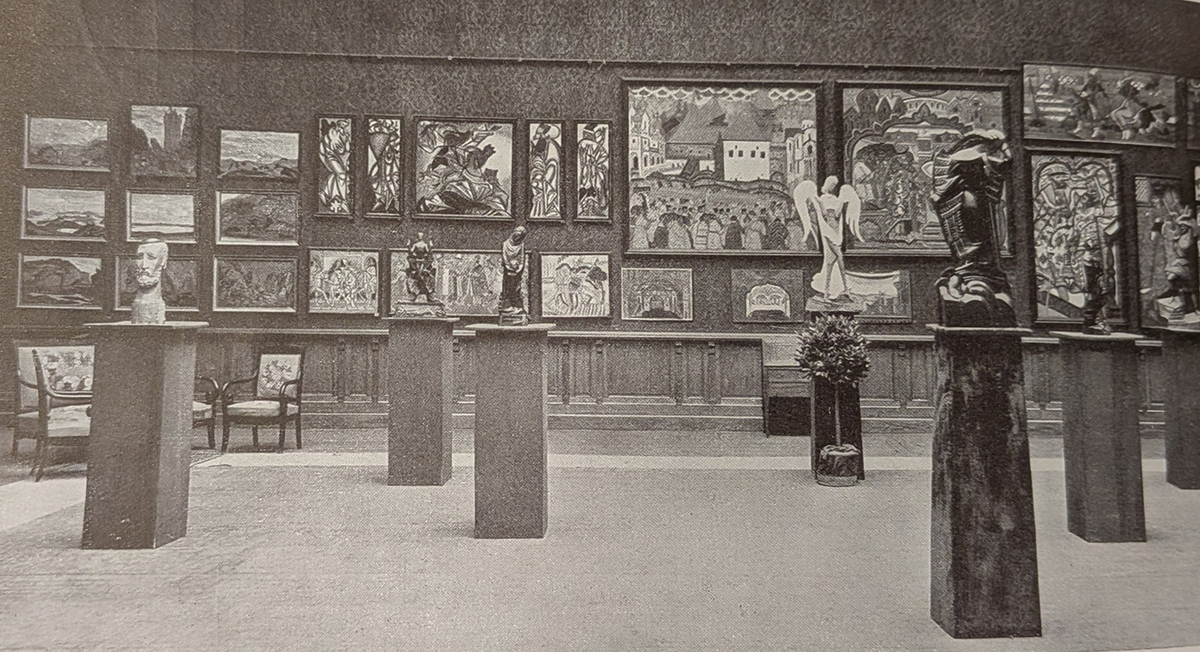
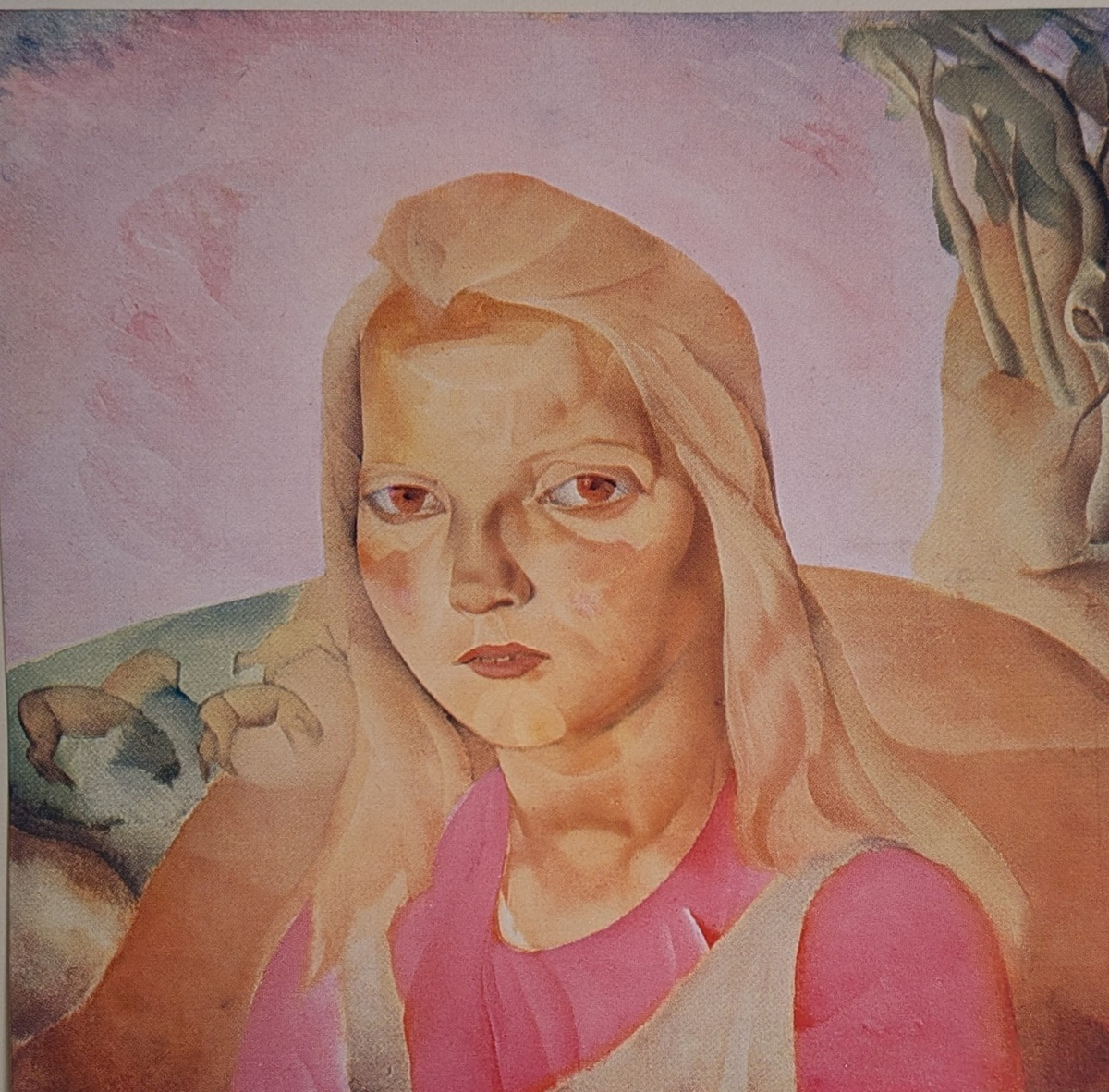
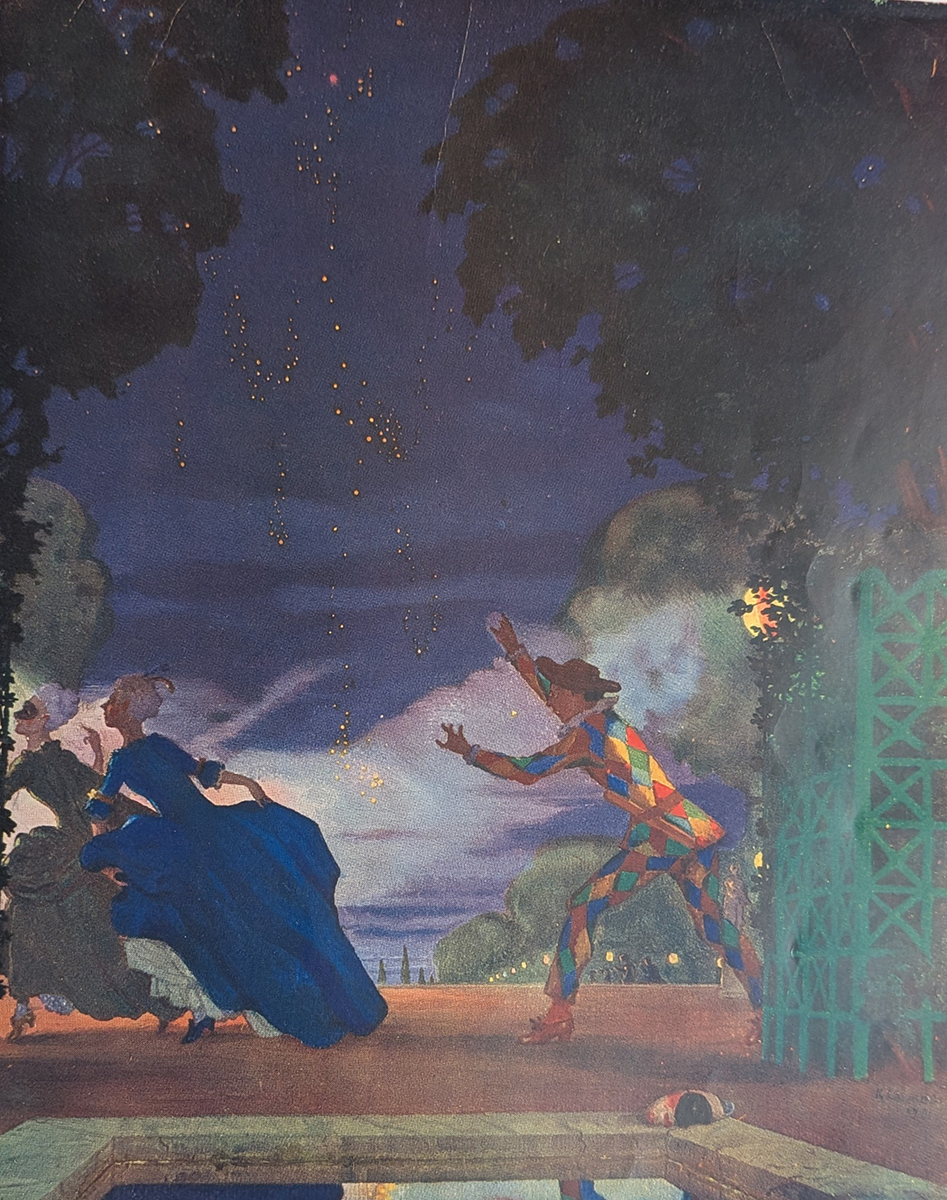
The contents of the journal were far from revolutionary from the perspective of the 1920s. The first issue featured color and black and white reproductions of artist Serge Sudeikin's paintings. He was a member of the Mir iskusstva, or "World of Art", a Russian avant-garde artistic movement active from the end of the 19th century until the 1920s. The World of Art movement is often mentioned in Jar-ptitza, and there are occasionally installation photographs of their exhibits in a number of cities. One issue noted that, "The conditions of the revolutionary period hindered the Society's normal life. During several years the artists were unable to act as a unified group. But the very idea which the 'World of Art' personates had already become an organic part of Russia's artistic culture.”
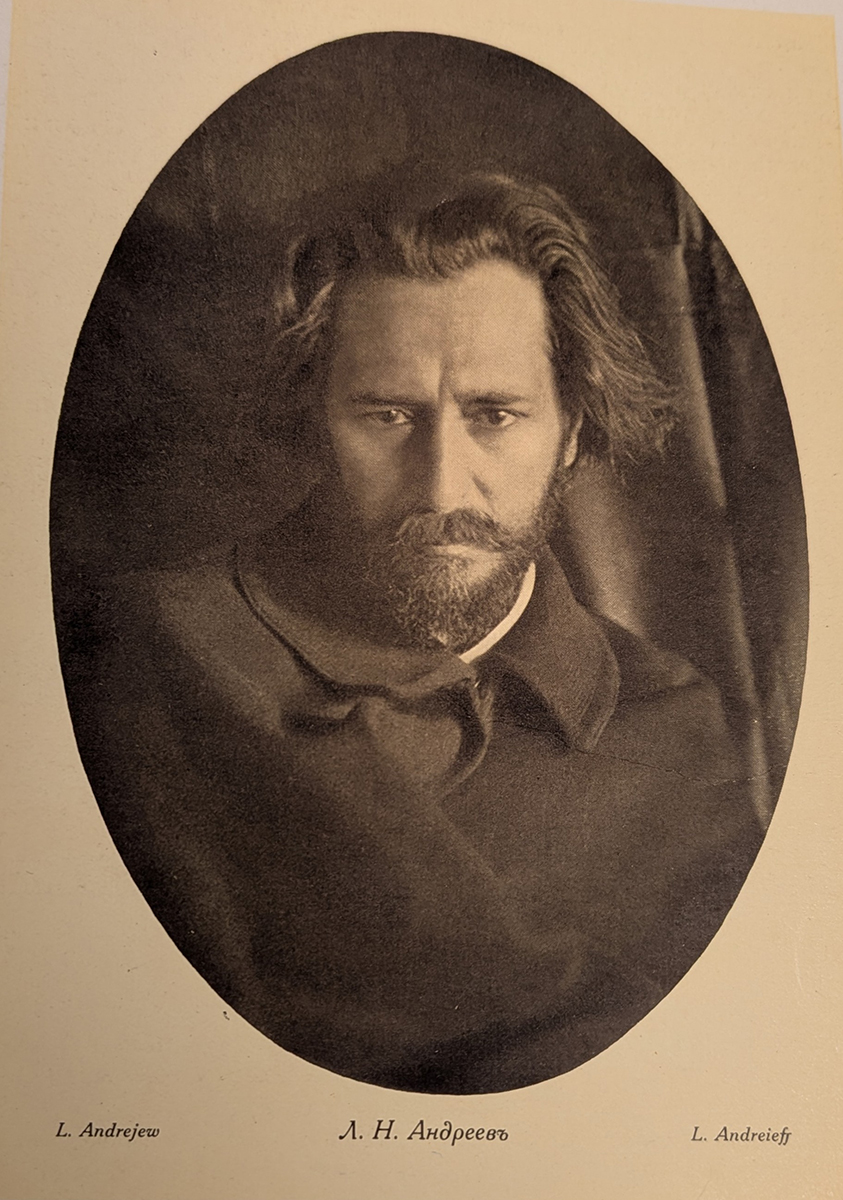
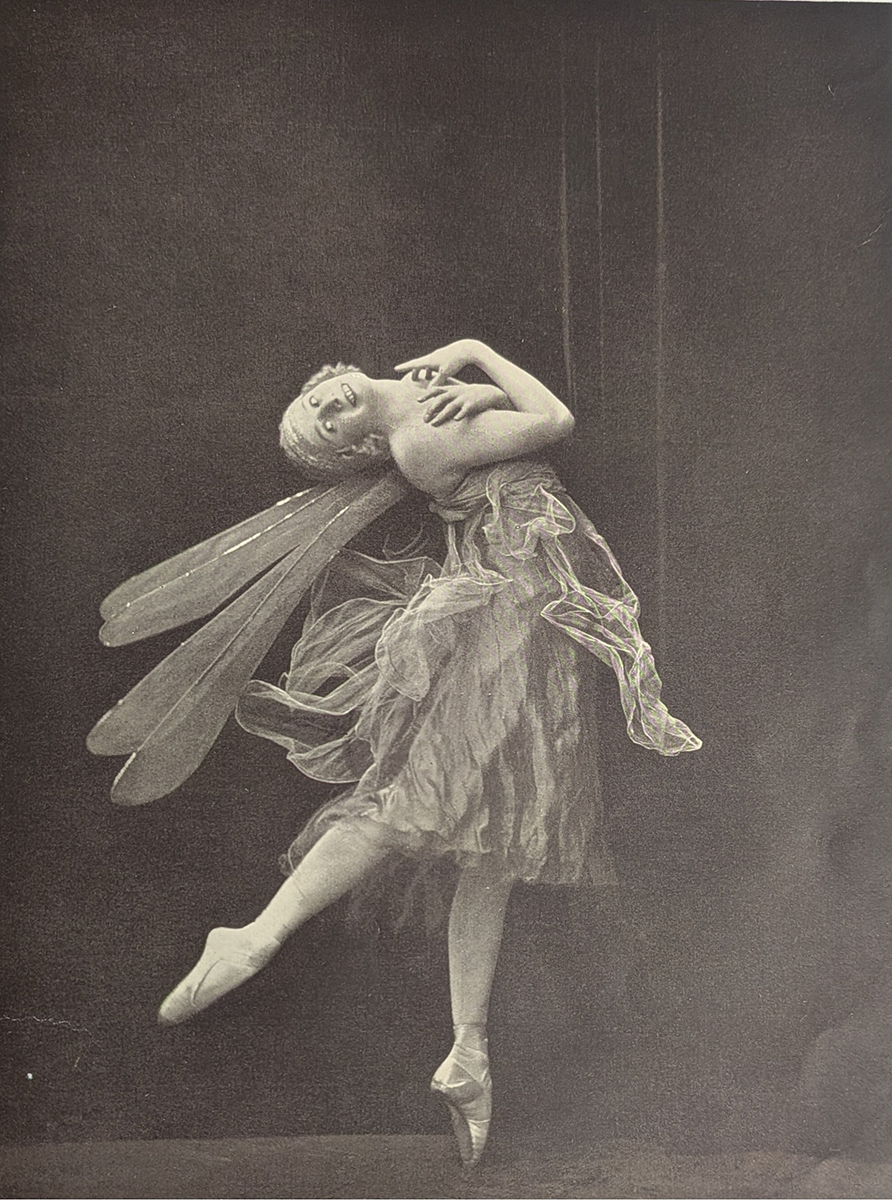
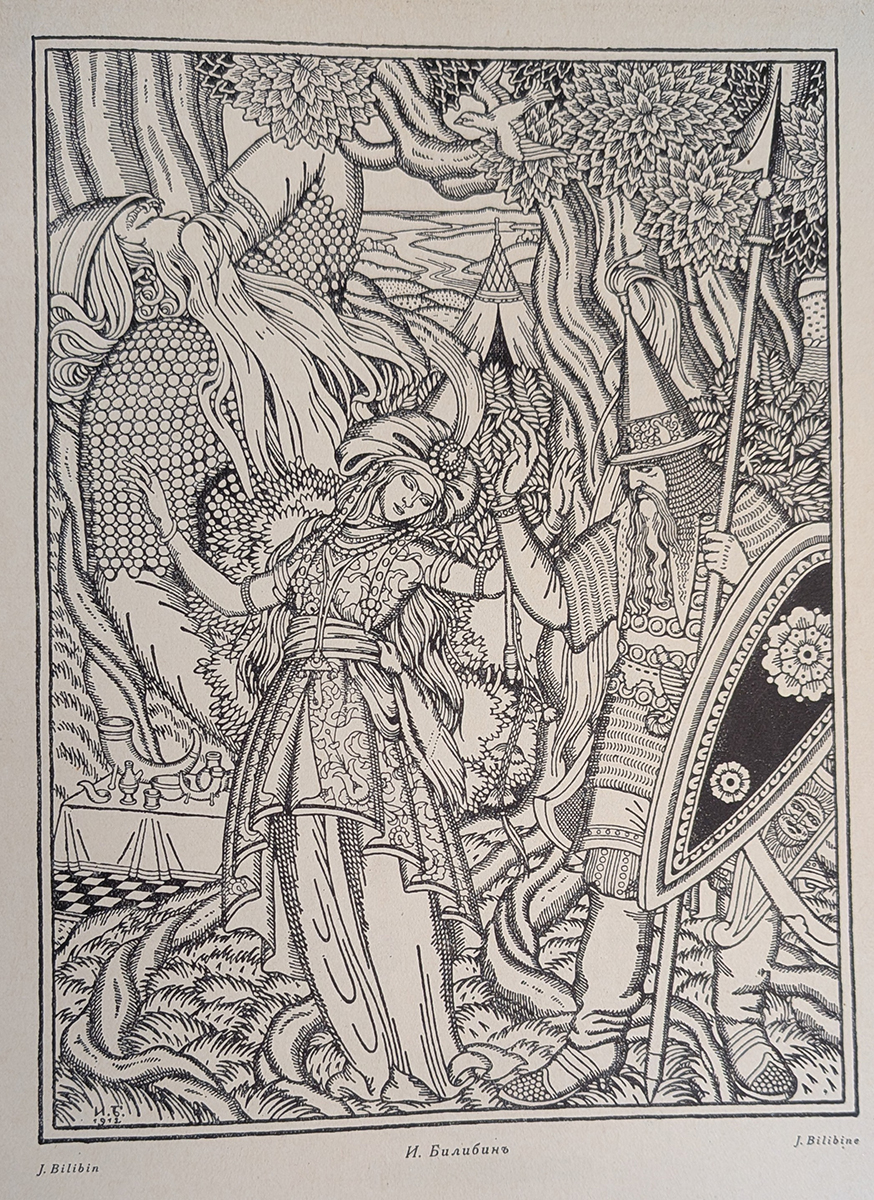
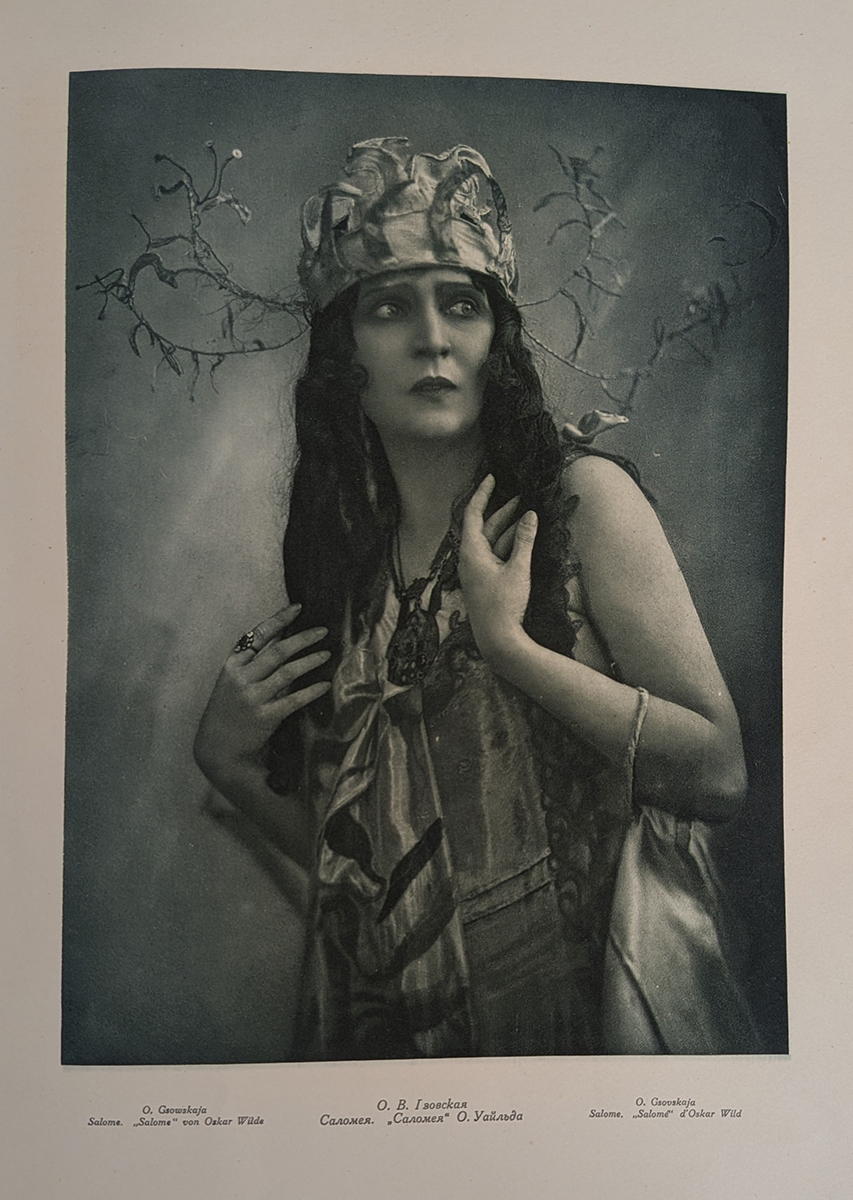
The magazine included contemporary works, but also included many World of Art works created before the 1920s. The second issue included sculpture from Serafim Sudbinin, a Russian-born artist that immigrated to Paris after the October Revolution in 1917. The issue also included a photograph of writer Leonid Andreyev and excerpts from the last pages of his diary before his death in 1919. Many issues included photographs and text about artists affiliated with the stage, such as ballet dancers Mikhail Fokine and Vera Fokina in the first issue, and prima ballerina Anna Pavlova and illustrator and stage designer Ivan Bilibin in the second issue. 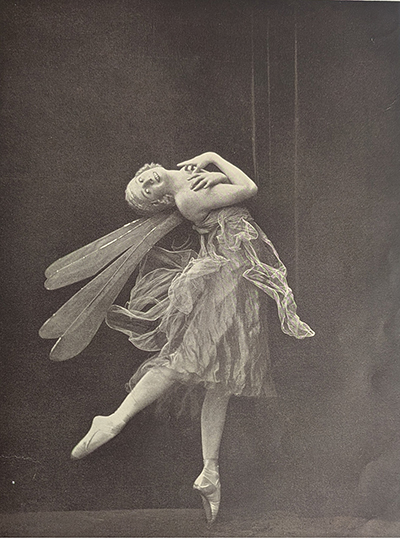 The photographs in each issue are followed by a poetry and literature section. Featured writings often looked back to the age of Russian poetry often referred to as the “Silver Age,” a period of time at the close of the 19th century and first two decades of the 20th century.
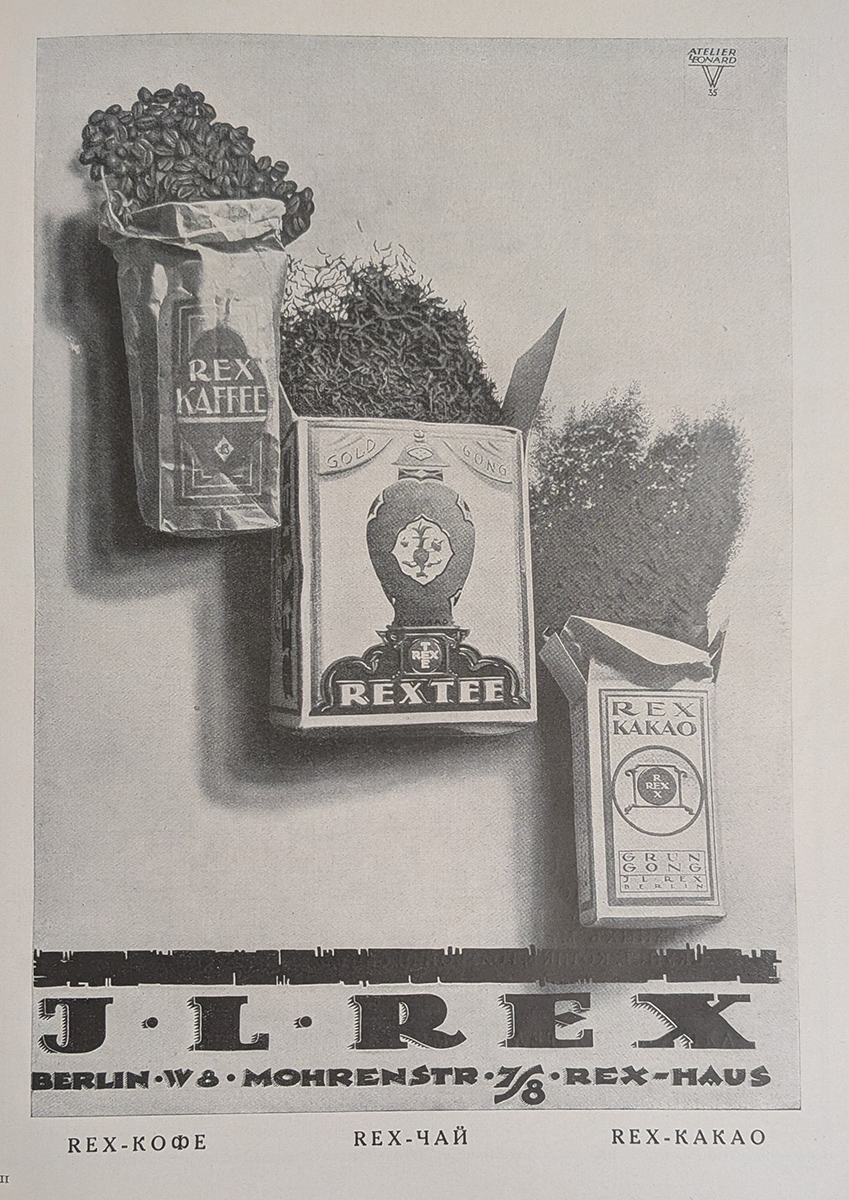
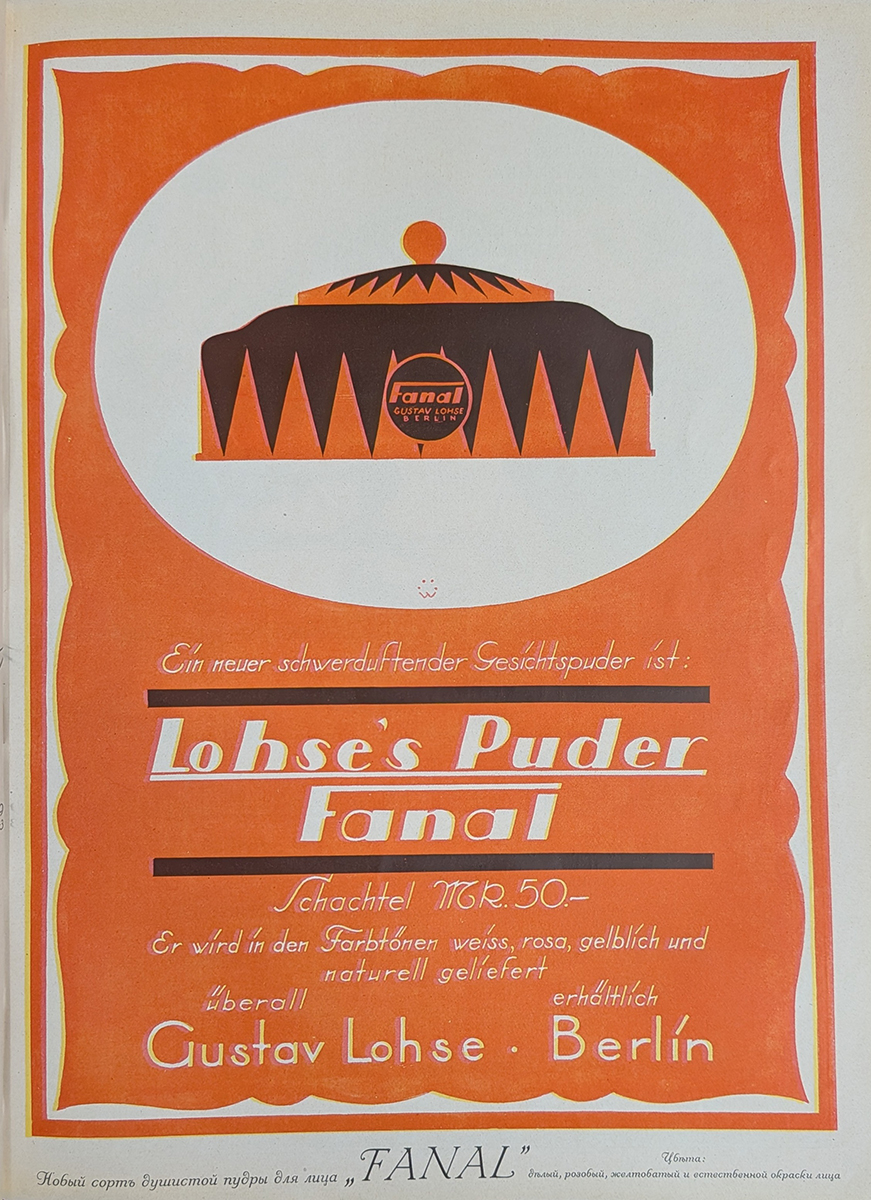
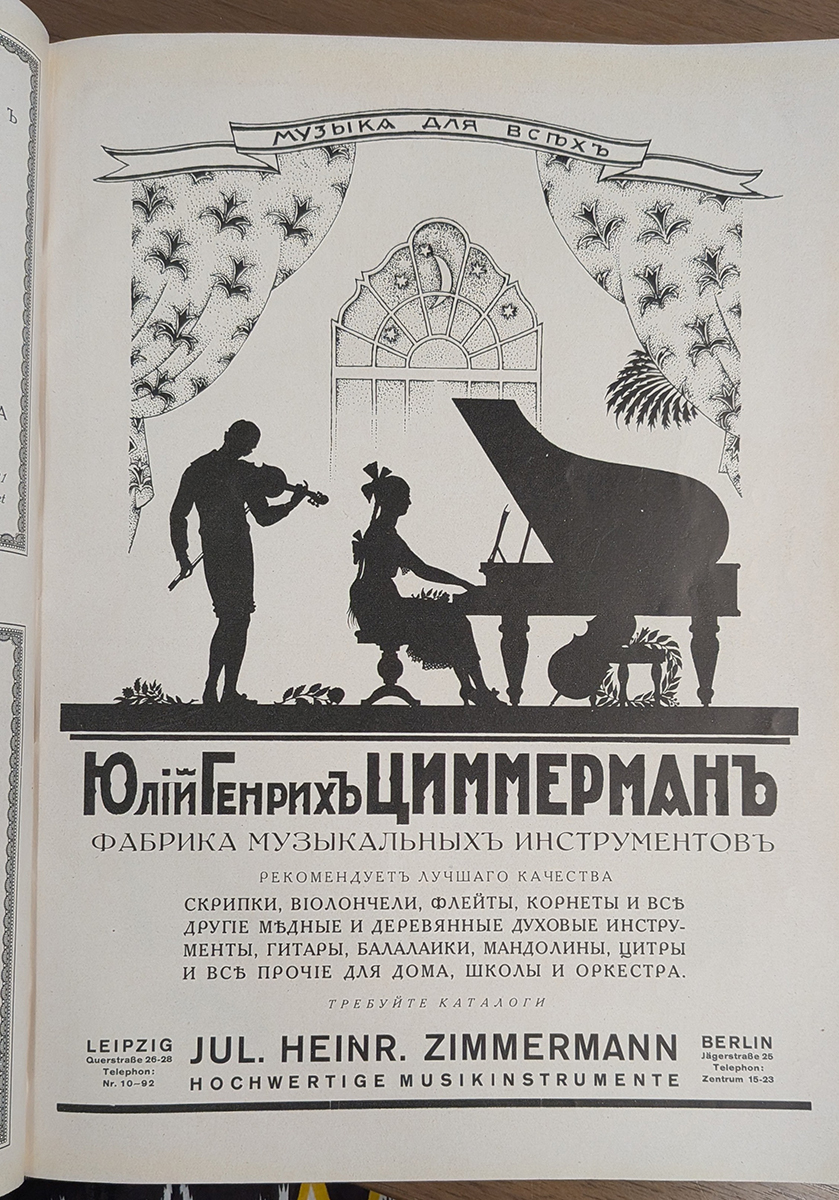
Later issues also included advertisements in Russian and German for luxury products, like gramophones, instruments, coffee, clothing, liquor, perfume, and cars. An advertisement for purchasing the magazine listed sellers Brentano's in New York City and Washington D.C., and Marc Wilenkin's in London. The magazine presented to European and American audiences a united and nostalgia-tinged Russian artistic cultural voice that reflected the idea of a unified national heritage. When Russia’s future national identity was uncertain, the publishers and writers featured in Jar-ptitza presented a sense of cohesive belonging in what it meant to be Russian, and how to define Russian art, even when far from the motherland.
Image Gallery
Post tagged as: special collections, publications, archives, international
Read more Peek in the Stacks blog entries