Punk Poetry
by Victoria Veloz, a second-year undergraduate student - March 10, 2026
With the creation of hardcore punk rock in the late 1970s, punk scenes across the United States were concretely established. The subculture of queercore came about soon after, uniting LGBTQ punks in major urban cities. Fanzines, nicknamed zines, surged in popularity and quantity within punk scenes. They were almost exclusively self-published and included articles on the newest releases, live shows, band discussions, and social commentary. Poetry, as an outlet of expression, can spawn in the most unlikely of places, even in issues of punk zines. CSUN Special Collections & Archives is home to many fanzines as well as a handful of rare zines featuring poetry from the underground queer punk scenes of California.
In 1988, Tom Jennings and Deke Motif Nihilson met at a Toronto Anarchist convention. Soon after, they would create, write, and edit HOMOCORE, an anarcho-punk zine for marginalized, queer, and punk individuals. HOMOCORE ran from 1988 to 1991, publishing a total of eight issues from a San Francisco home base.  The zine contributed to the queercore subculture's rise in cultural significance. It became a community where queer punks, who didn’t feel seen by majority straight punk scenes or mainstream LGBTQ spaces, could unify and connect.
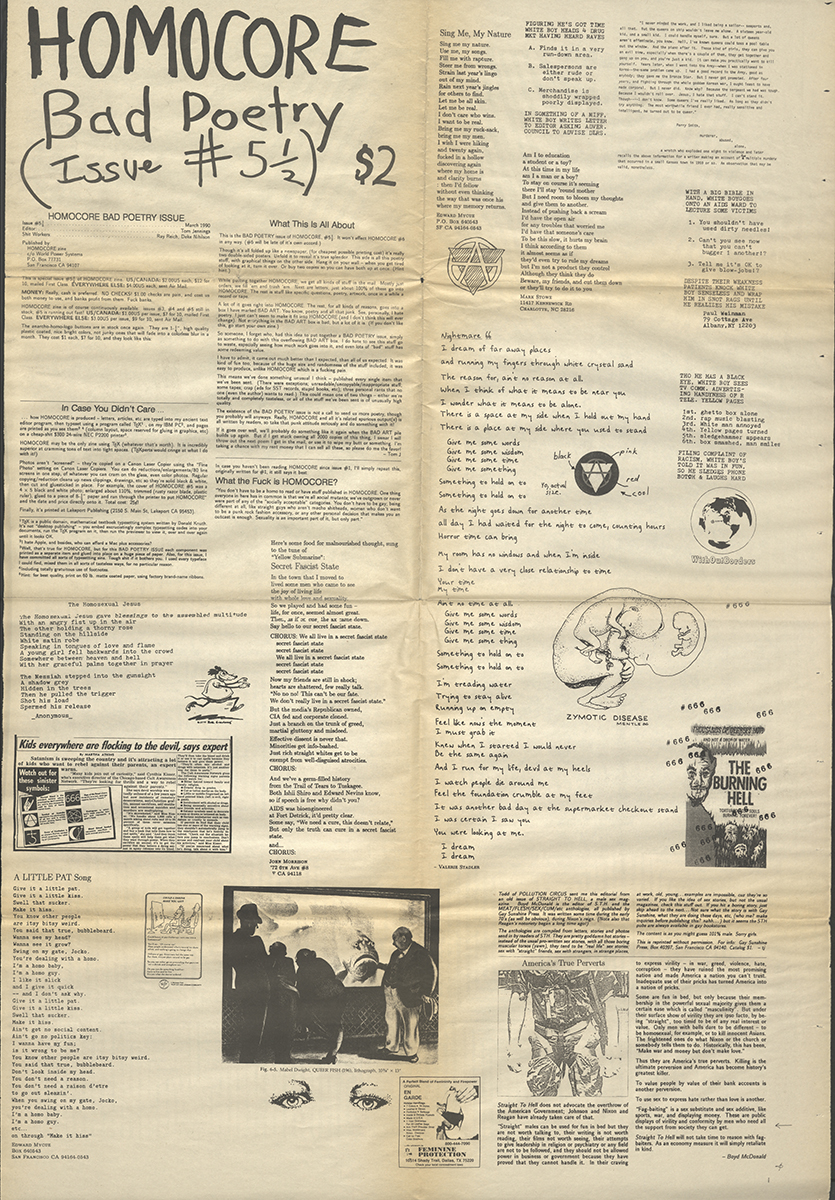
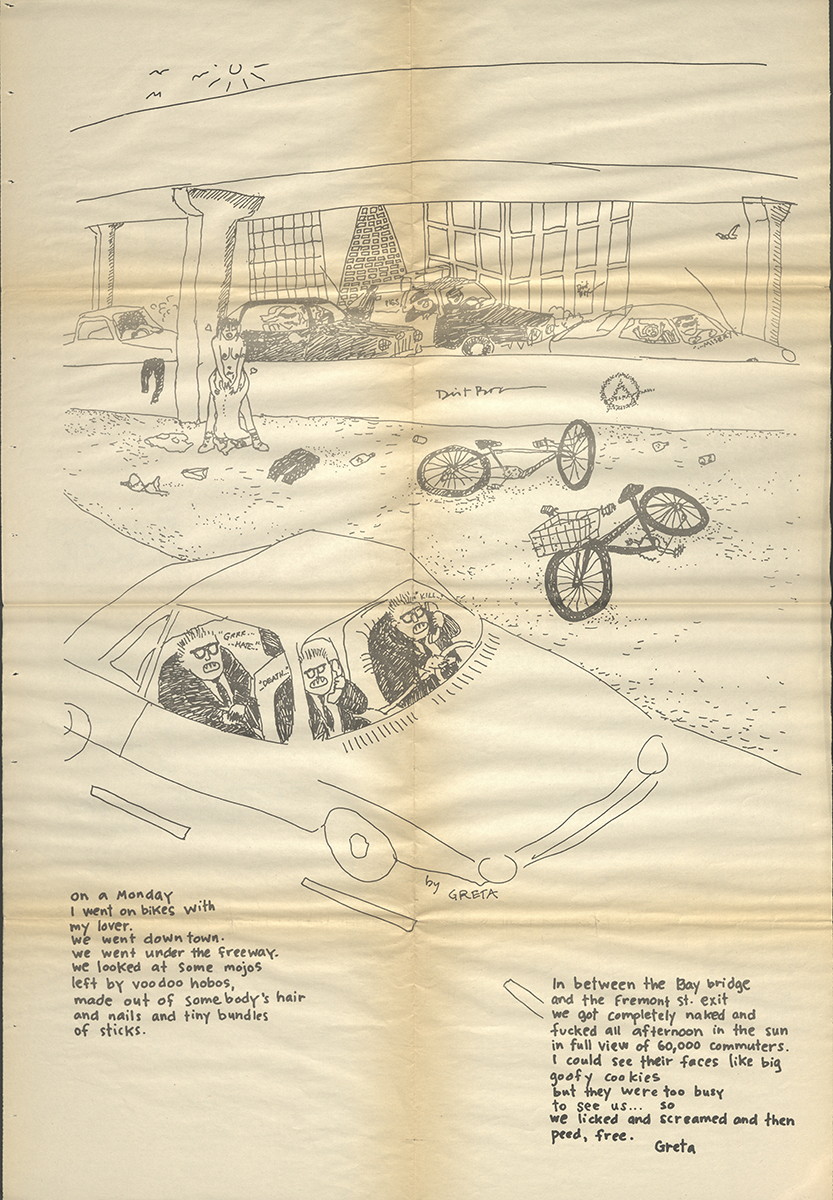
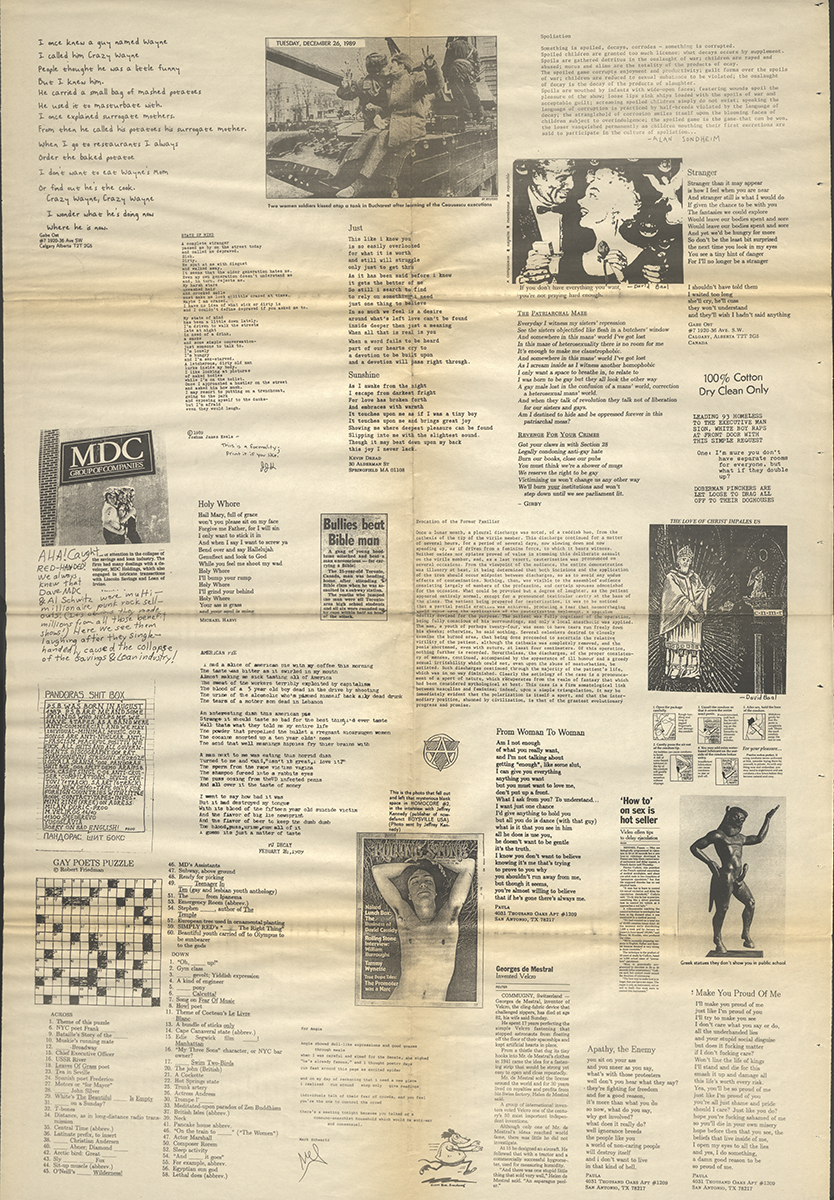
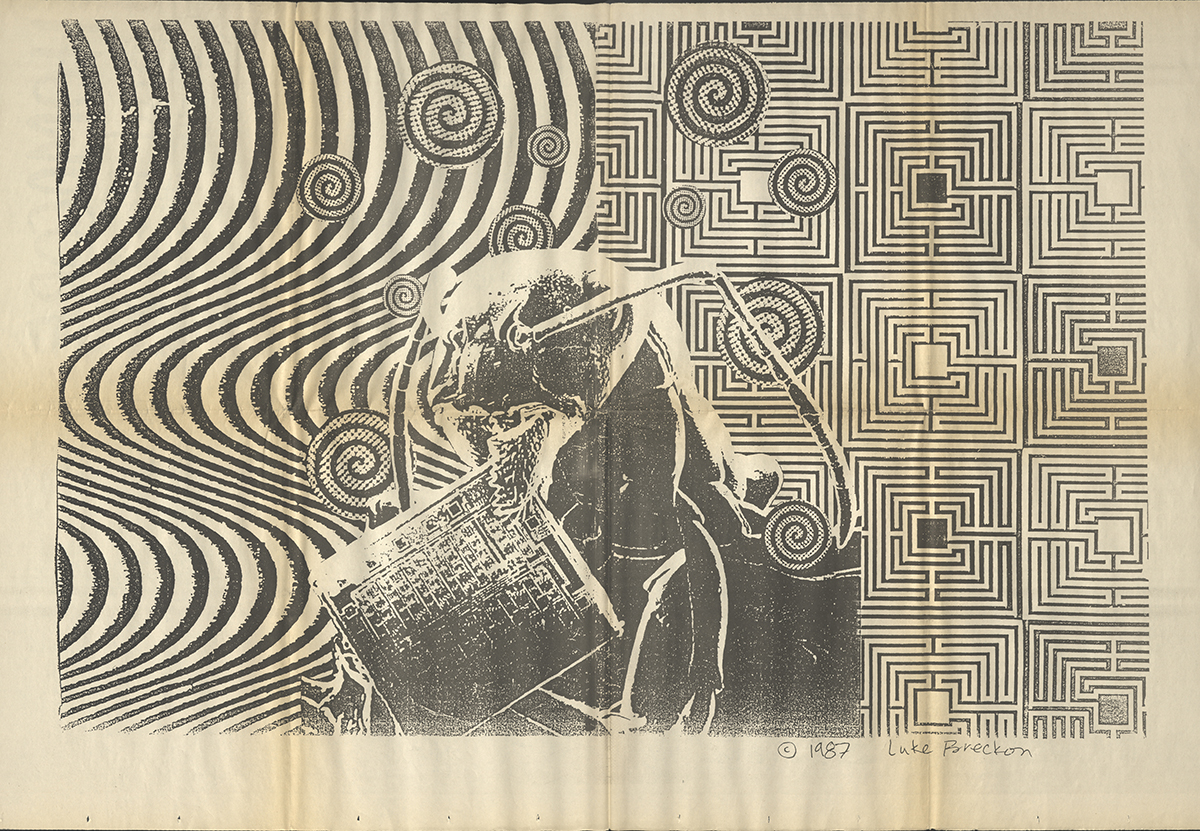
Available at the Special Collections & Archives, the unique HOMOCORE Bad Poetry Issue #5 1/2, released in March 1990, featured poetry sent in by readers of the zine. It was the largest issue by dimension, because of its one-off printing method; two 2 by 3 foot double-sided posters folded in newspaper manner. Bad Poetry is also the only issue not available via Jennings’ online archive of other issues due to its large size. HOMOCORE #5 1/2 sold for $2, rather than the usual $1. According to Jennings, it was low-selling and many copies were either gifted or thrown away. The issue is littered with illustrations and many poems with a wide range of topics and themes, reflecting the diverse readership.
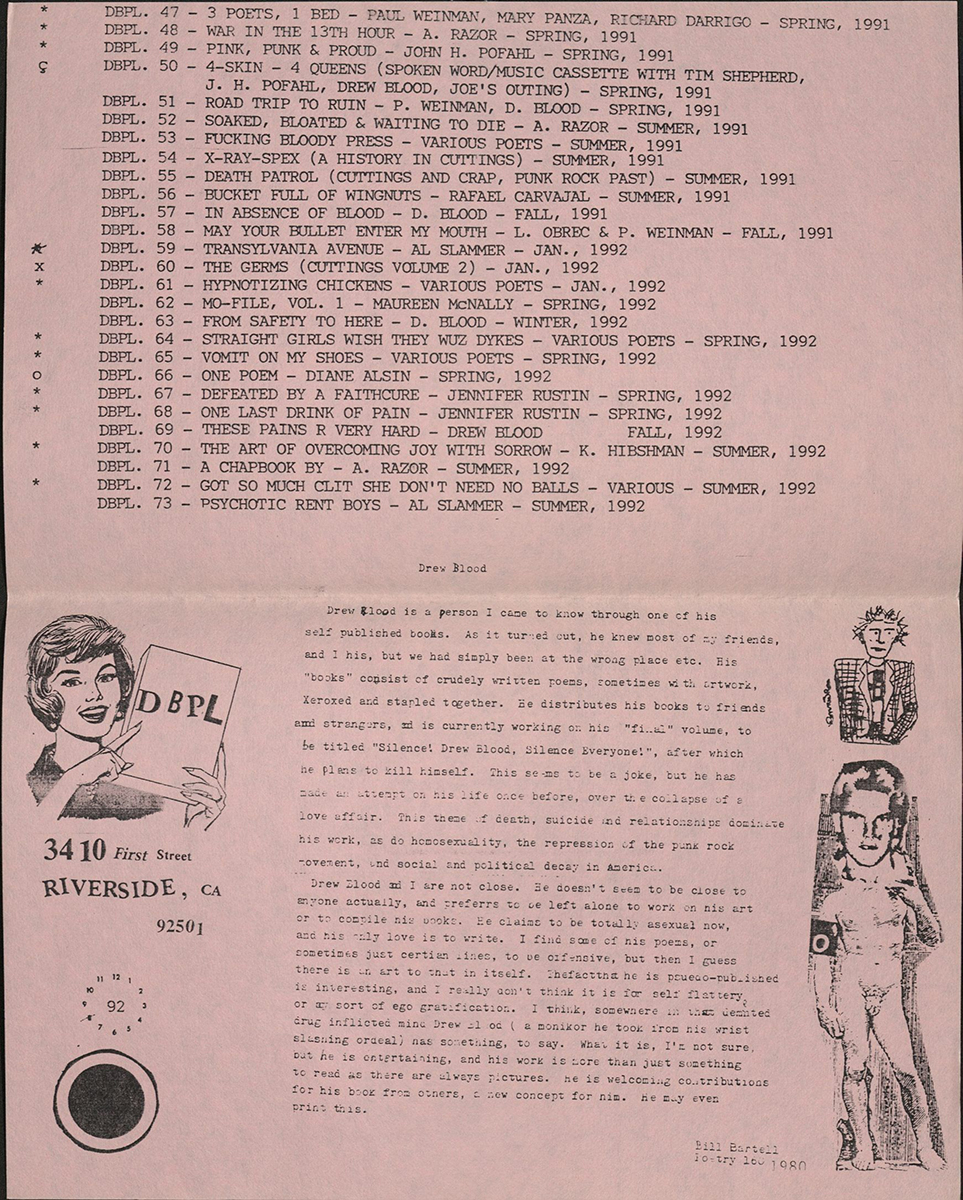
Poet and member of the Southern California punk scene Drew Blood began Drew Blood Press LTD, or DBPL, in 1980 from his Riverside, California apartment, self-publishing poetry chapbooks. The DBPL chapbooks adhered to the conventions of most punk zines, such as its DIY nature. Emerging poets, like A. Razor and Regi Mentle, had their poems published by DBPL. Drew Blood would continue to run the DBPL until his passing in 1998 at 39 years old. Special Collections & Archives houses four publications from Drew Blood Press LTD.
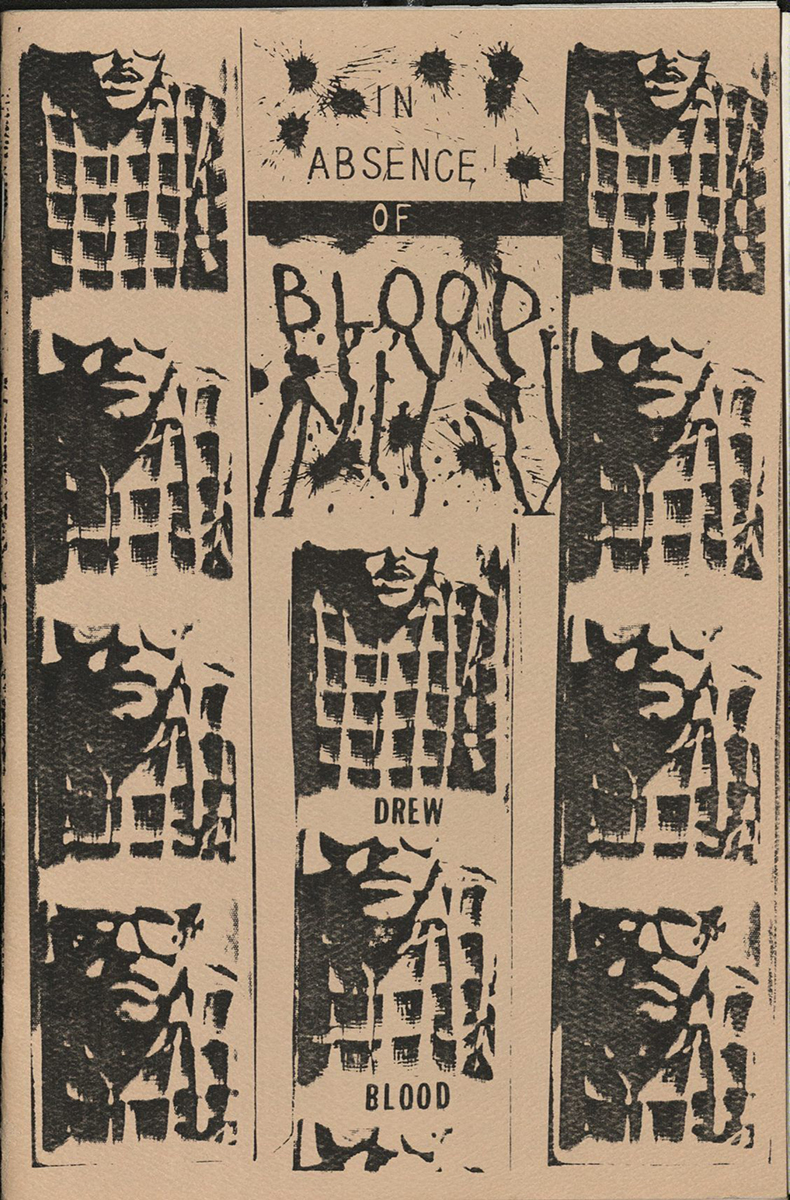
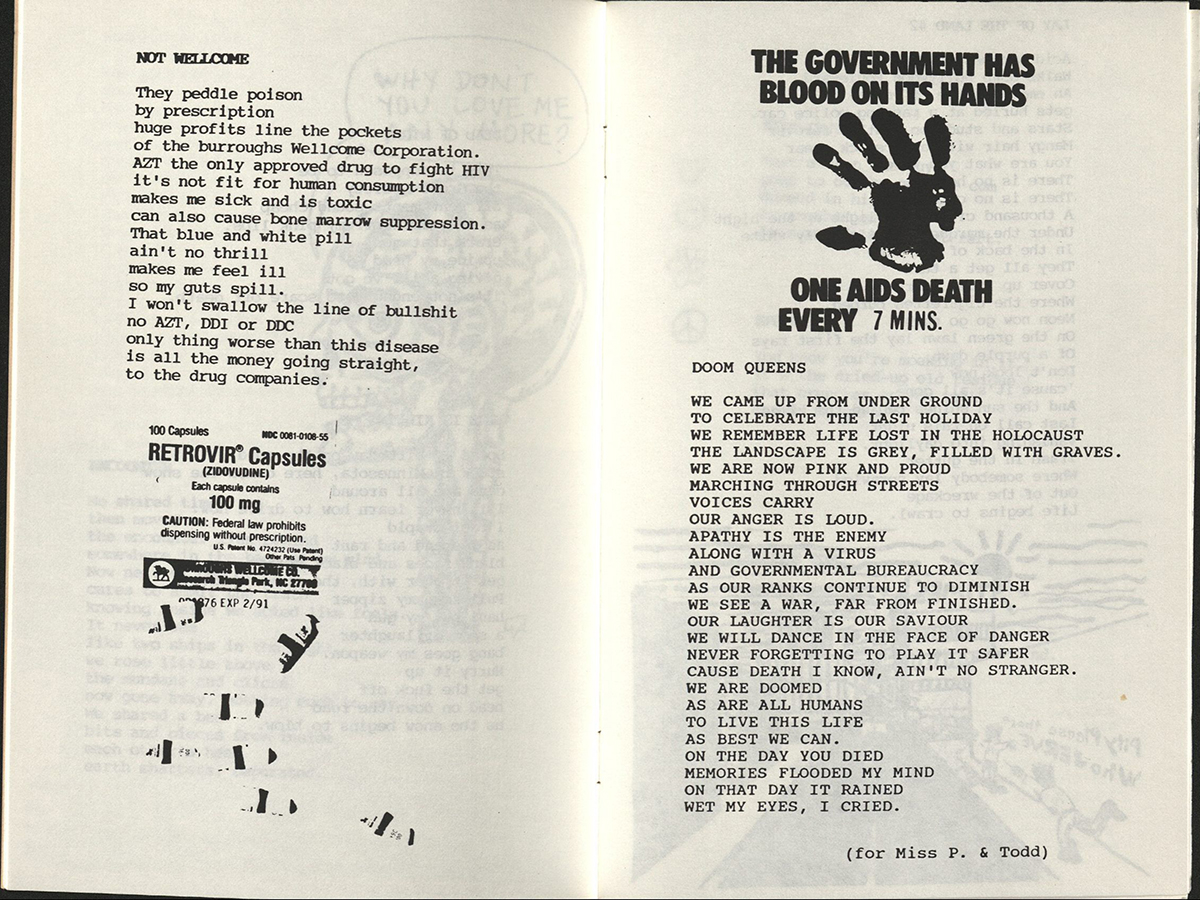
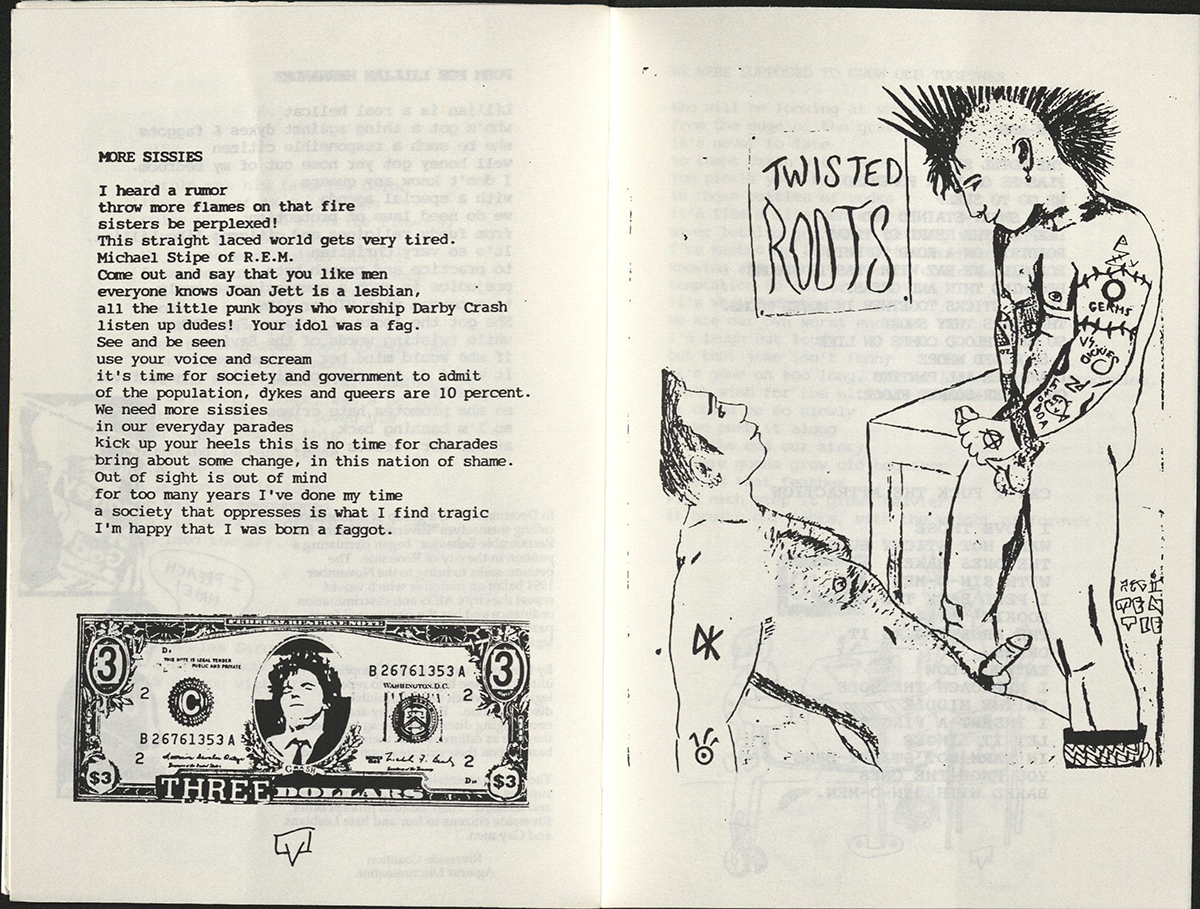
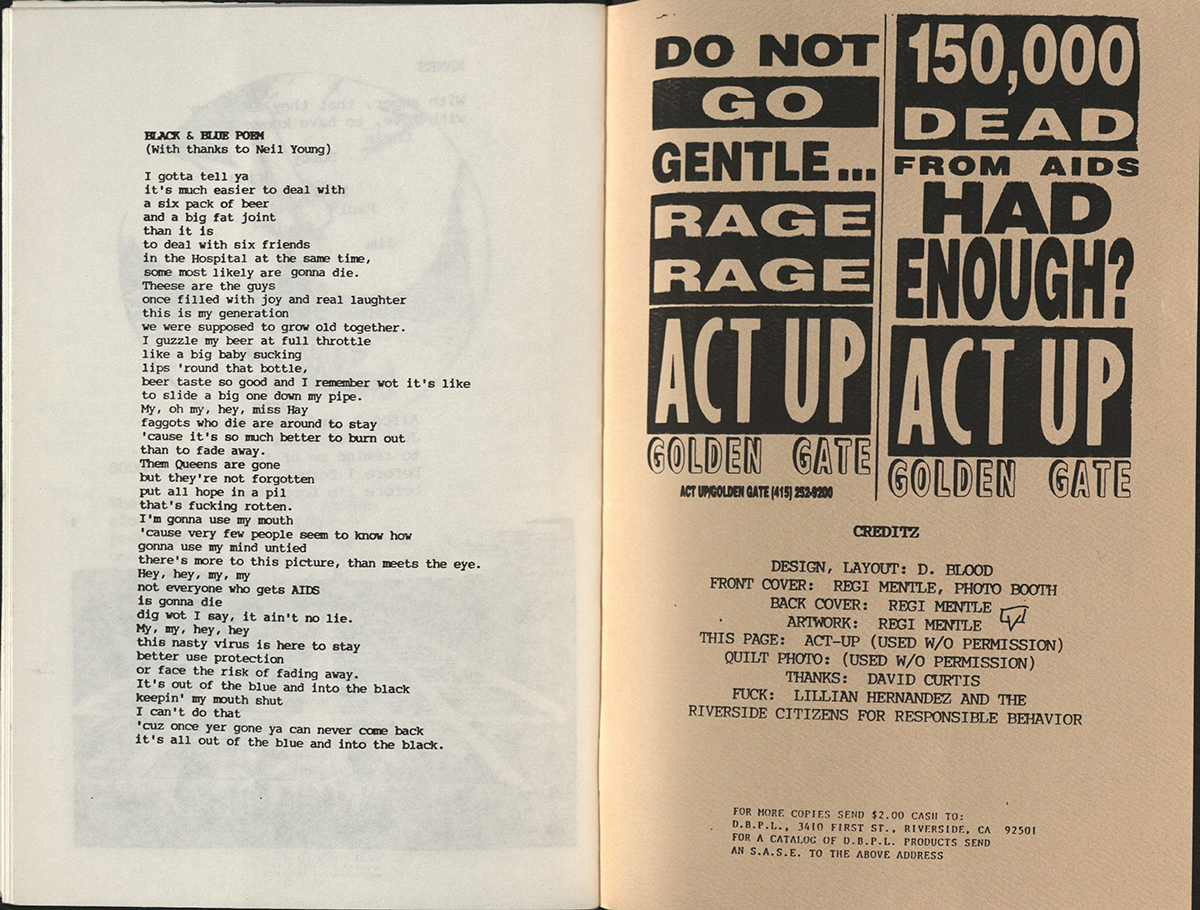
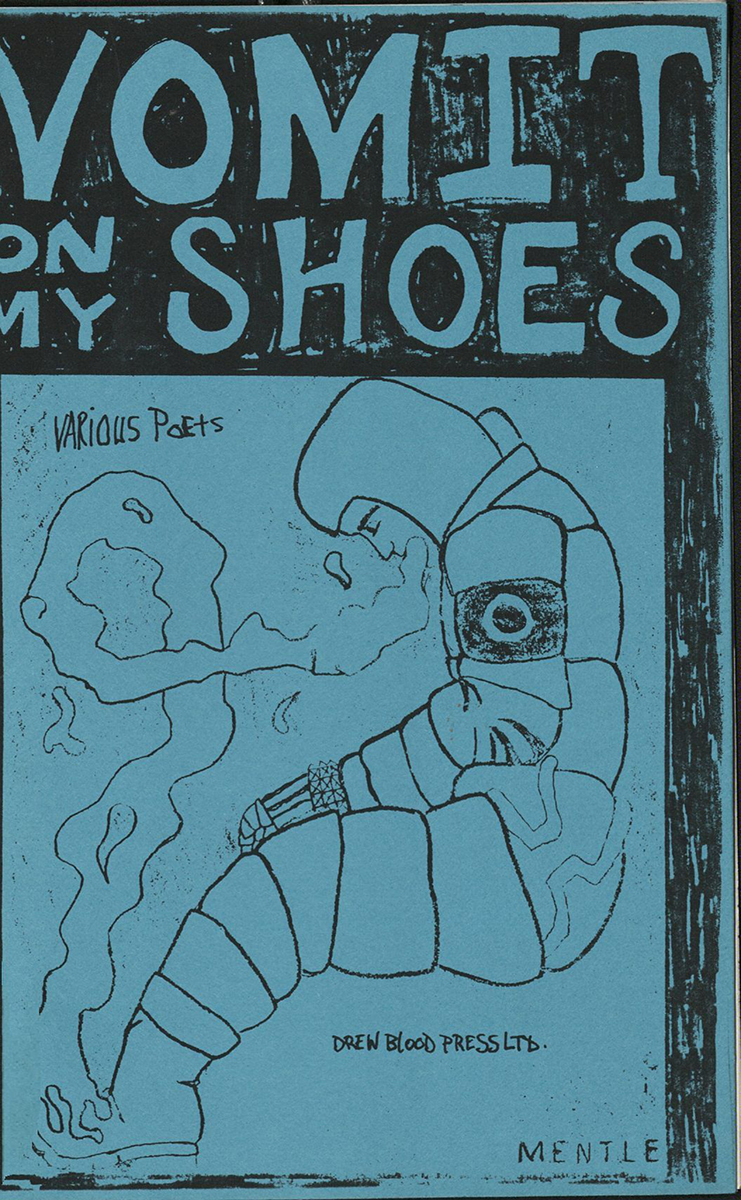
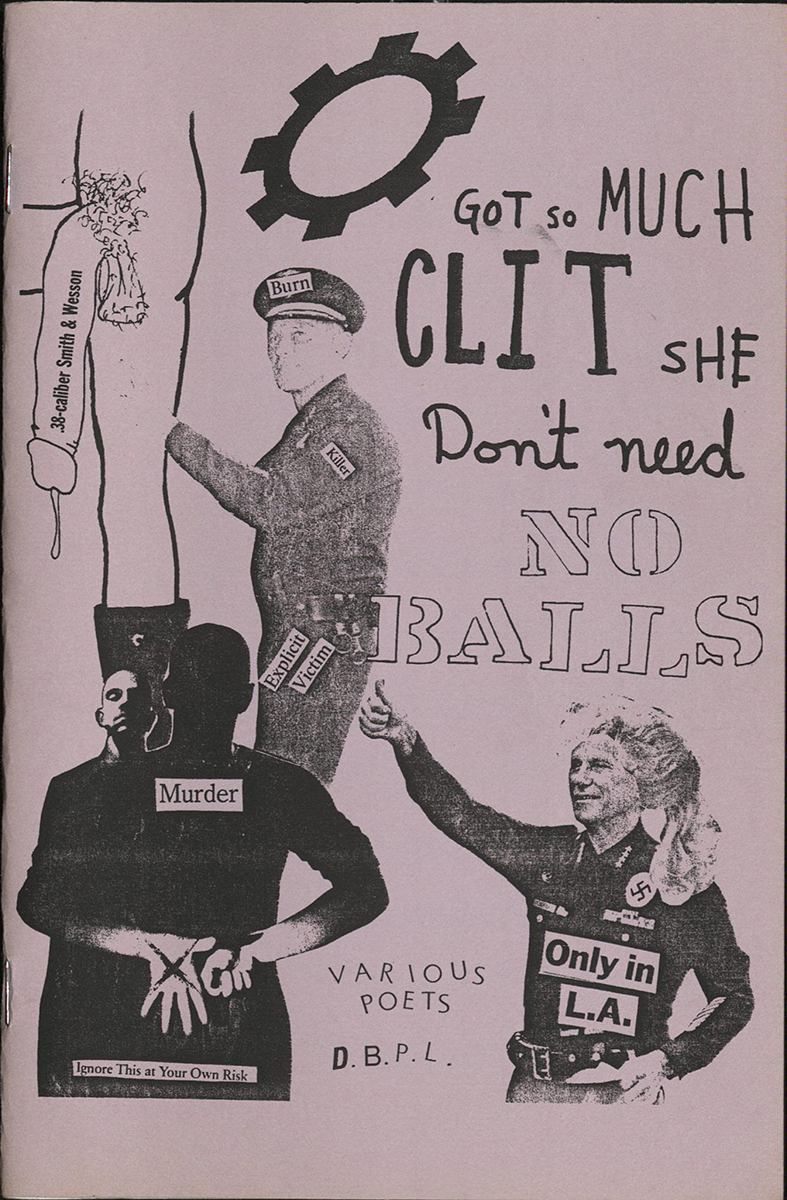
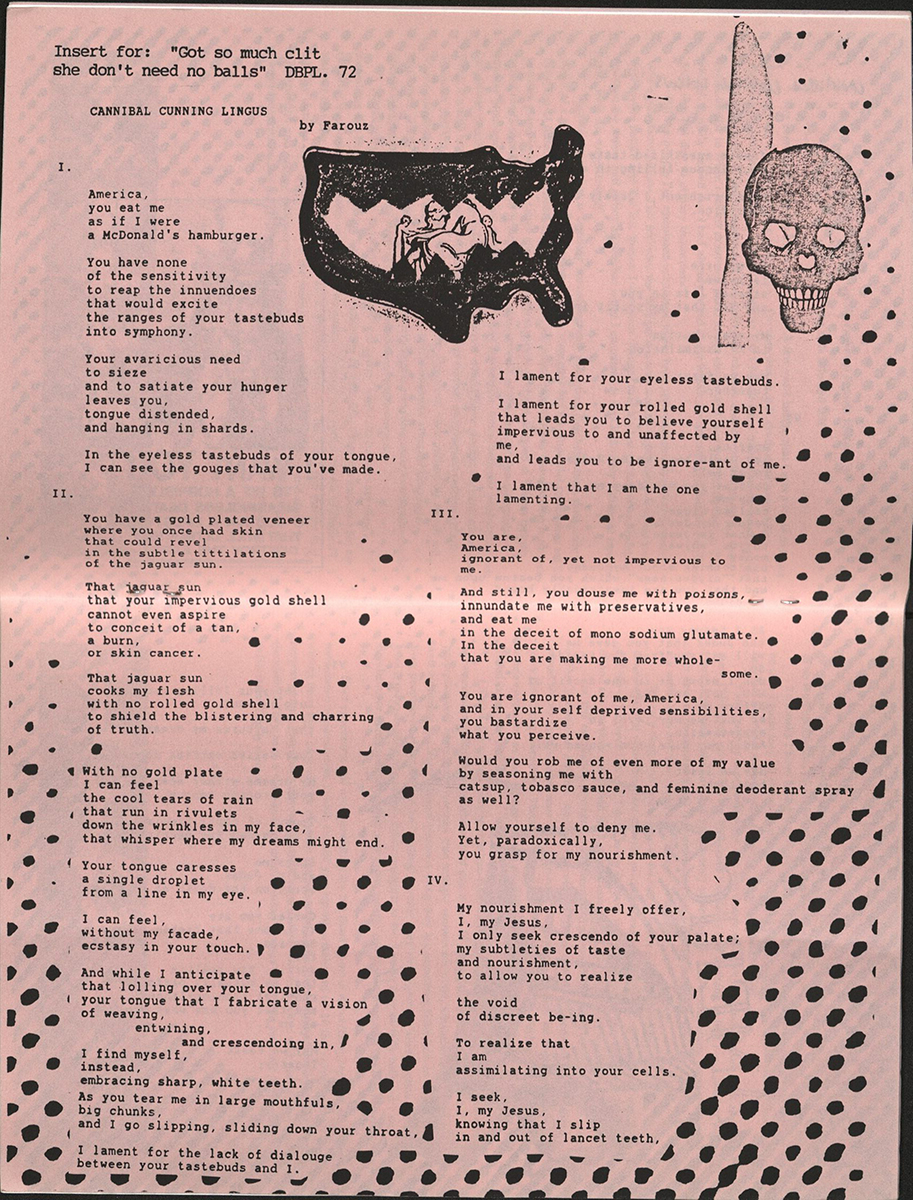
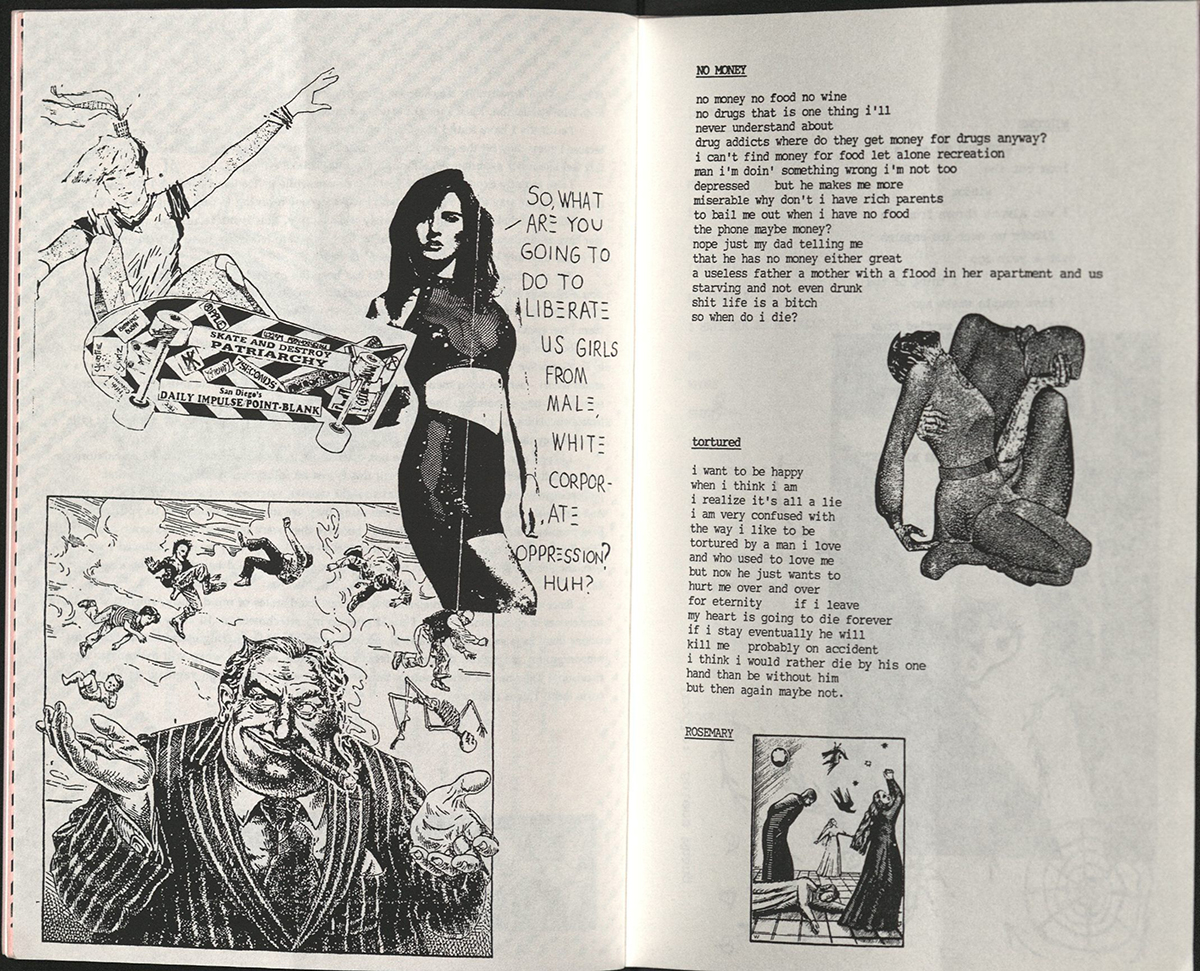
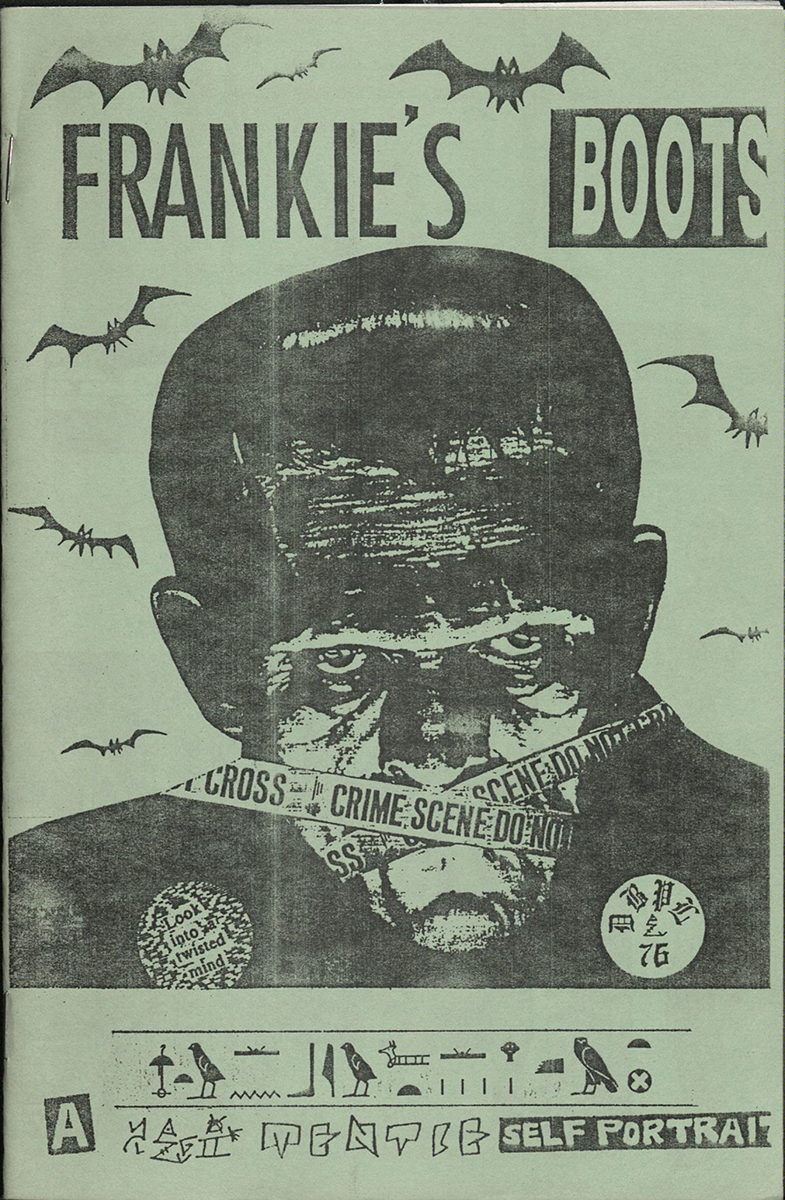
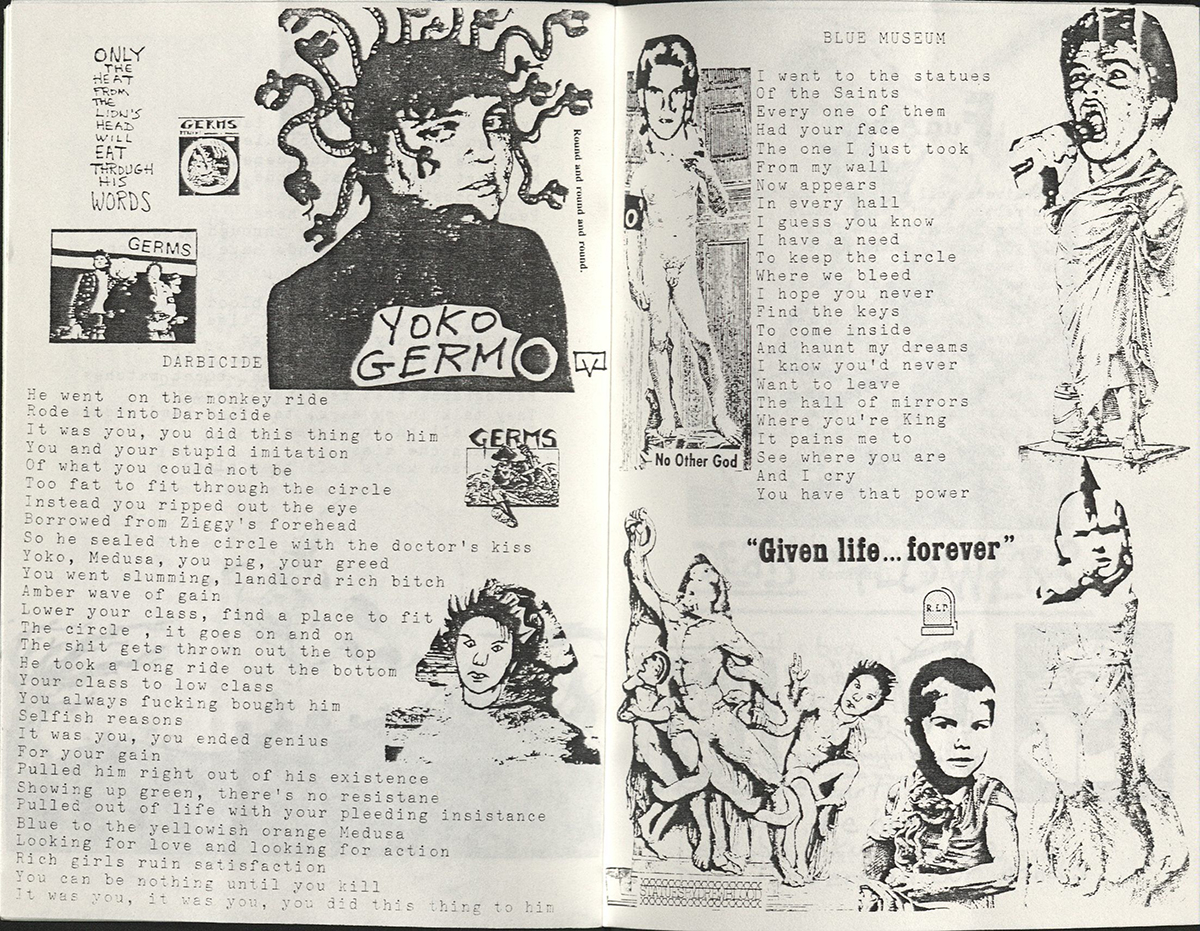
In Absence of Blood, DBPL’s 57th chapbook, was published in 1991. It’s fronted by a collage of self-portrait photo booth pictures of Drew Blood and poems authored entirely by him. The most frequent themes of his poetry are love, homosexuality, relationships, and HIV/AIDS. An advert from the AIDS Coalition to Unleash Power, better known as ACT UP, is included on the final page. Vomit on My Shoes was the 65th DBPL publication, released in 1992. 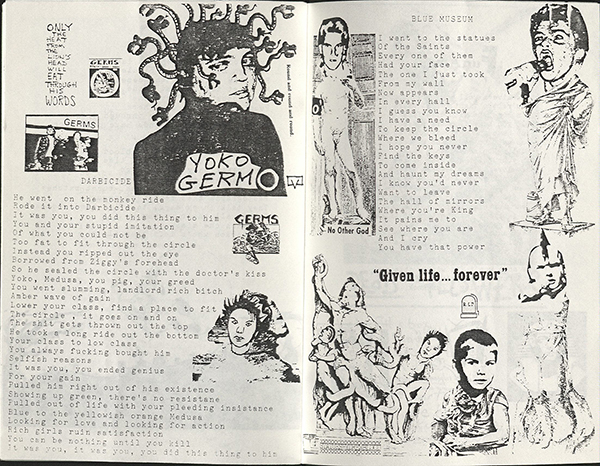 With poetry from various poets, this chapbook contains a wide variety of subject matters, primarily criticisms of societal expectations. Borrowing a title from the all-female punk rock band L7, Got So Much Clit She Don’t Need No Balls, DBPL’s 72nd publication, also released in 1992 with poetry by various poets. This chapbook primarily highlights work by female poets about sexuality, patriarchal oppression, reproductive rights, and identity. DBPL 76th 1993 chapbook, Frankie’s Boots is comprised entirely of works by Regi Mentle, friend and frequent collaborator to Drew Blood. Notably, the chapbook contains a handful of poems critiquing religion. Not only was Mentle a poet, but he was also an artist, creating many illustrations showcased in many DBPL issues and even one featured on HOMOCORE 51/2.
Punk is not dead and neither is poetry. Words live on and tell us a lot about people, lived experiences, and culture. Despite their rarity, these pieces of poetry showcase something important. No matter the origin, author, or subject, poetry prevails as a pillar of literary expression, especially for those disenfranchised by society.
Image Gallery
Post tagged as: special collections, ephemera, publications, california
Read more Peek in the Stacks blog entries