Oral History Interview with Former US Organization Member Watani Stiner
by Keith Rice, Ph.D., Historian/Archivist, Tom & Ethel Bradley Center - April 07, 2026
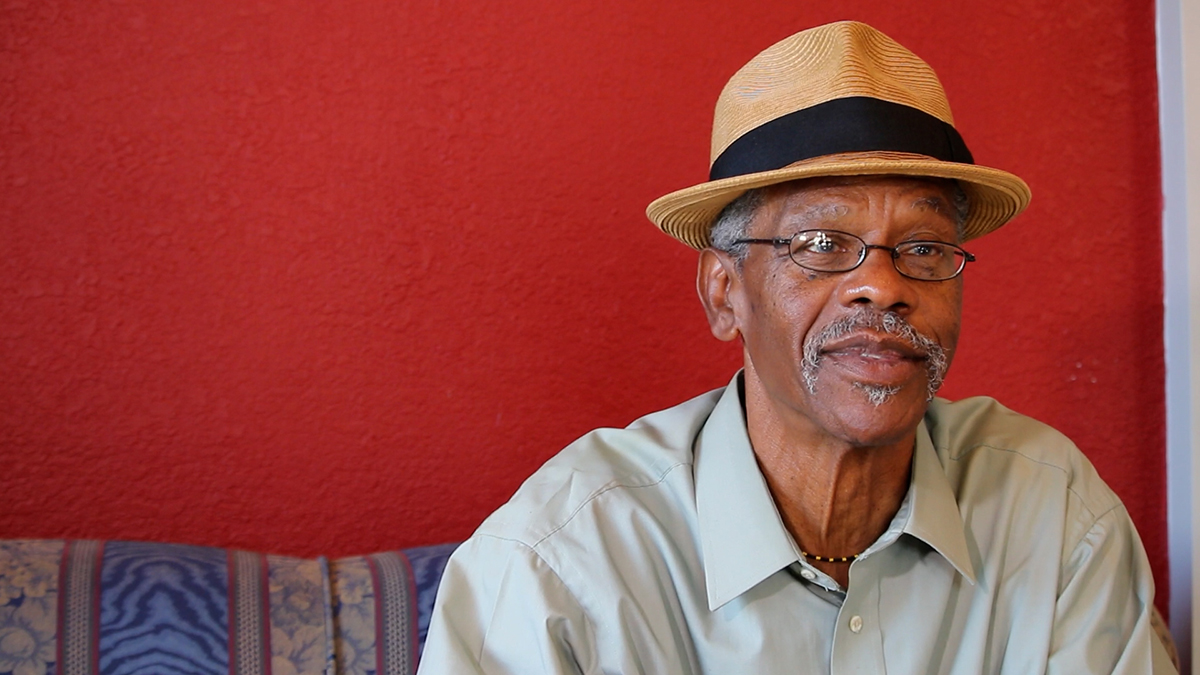
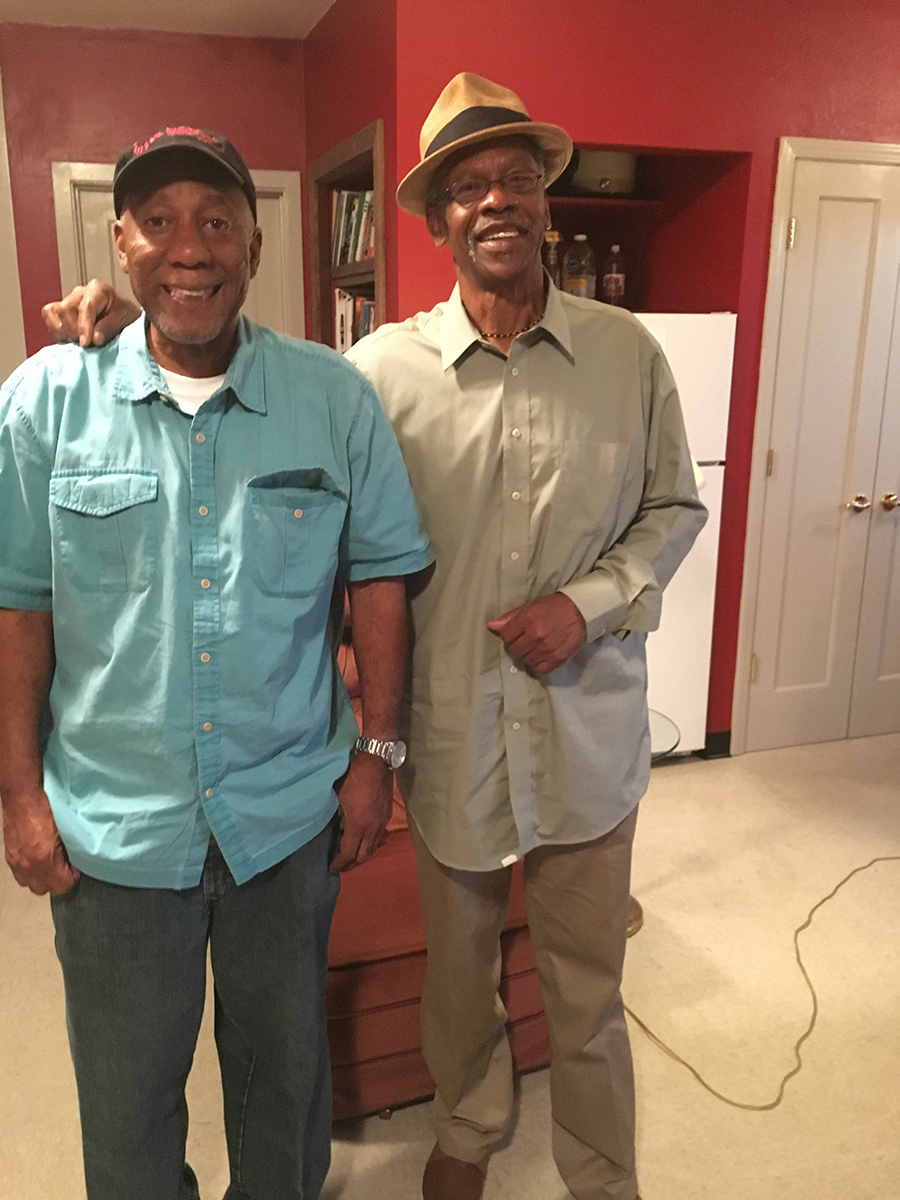
The significance of Los Angeles, California during the Black Power Movement is often overlooked. For many years the media, scholarship, and pop culture has focused much of their attention on Northern California. Perhaps the biggest obstacle to revealing the role of Los Angeles during the Movement has been the participants hesitancy to relive those experiences. And considering their experiences during those turbulent times it is understandable. 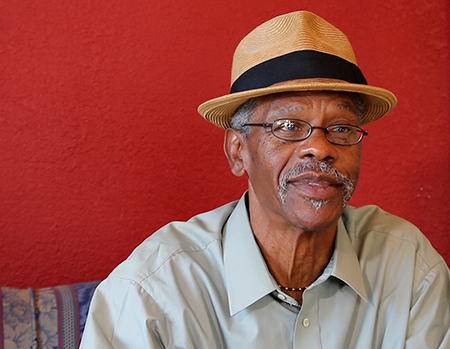 However, by 2016, enough time had passed so that the foot-soldiers of the Black Power Movement in Los Angeles were ready to share with the public their previous lives as freedom fighters. On October 16, 2016, Dr. Karin Stanford and Keith Rice conducted an oral history interview with former US Organization member Watani Stiner.
In 1969, Watani Stiner, previously known as Larry Stiner, and his brother George were sentenced to life in prison for conspiracy to commit murder and second-degree murder for the killings of Alprentince “Bunchy” Carter and John Huggins on January 17, 1969, at the University of California, Los Angeles (UCLA). Both men were members of the Southern California Chapter of the Black Panther Party. On the night of March 31, 1974, the brothers escaped from San Quentin Prison and went into exile in Suriname, South America. In 1994, Stiner turned himself in to American authorities in exchange for political asylum for his children born in Suriname.
Born in 1948, in Houston, Texas, Stiner experienced racism before he knew exactly what it was. He vividly remembered as a child going to a public beach where they used a net to separate the Black people from the whites. He recalled one time getting really close to the net and peeping through it and seeing all the white kids playing on the other side of the net where it seemed like they were having so much more fun than they could ever have as Negroes.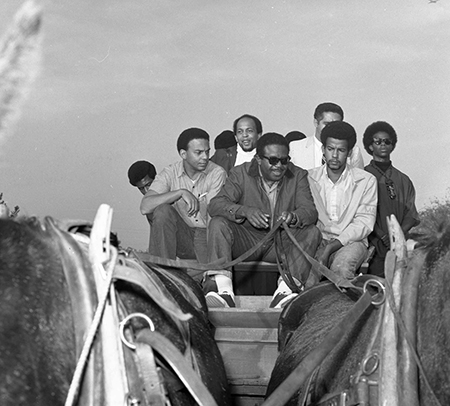 Stiner chose to make sense of his segregated world through his Catholic religion. He didn't look at it in terms of discrimination and segregation, but as sin. It was a sin to drink from the white-water fountain or to go through the front door instead of the back door. It made sense for him to view it in those terms because all the adults in his family went along with it. So, for him to do otherwise would be committing a sin.
Stiner was seven-years old when his mother and siblings moved to Nickerson Gardens Projects in Watts, California. Everything about Watts was different from Houston. Going to school was extremely difficult for him and his older brother George. The kids in Watts cursed and fought in dirty ways such as hitting in the face. The Stiner brothers were teased for being from Texas and for their last name. In middle school Stiner cultivated a reputation for being cool under pressure and not being afraid to fight. When George accidentally bumped into an older student named Carlos he was expected to accept the challenge to fight. In defense of his brother, Stiner went to Carlos and George’s class and started fighting Carlos, knowing the teacher would stop it, but in the process showing everyone he was not afraid to fight. The reputation he established that day carried over into the Gladiators gang, the US Organization, and prison.
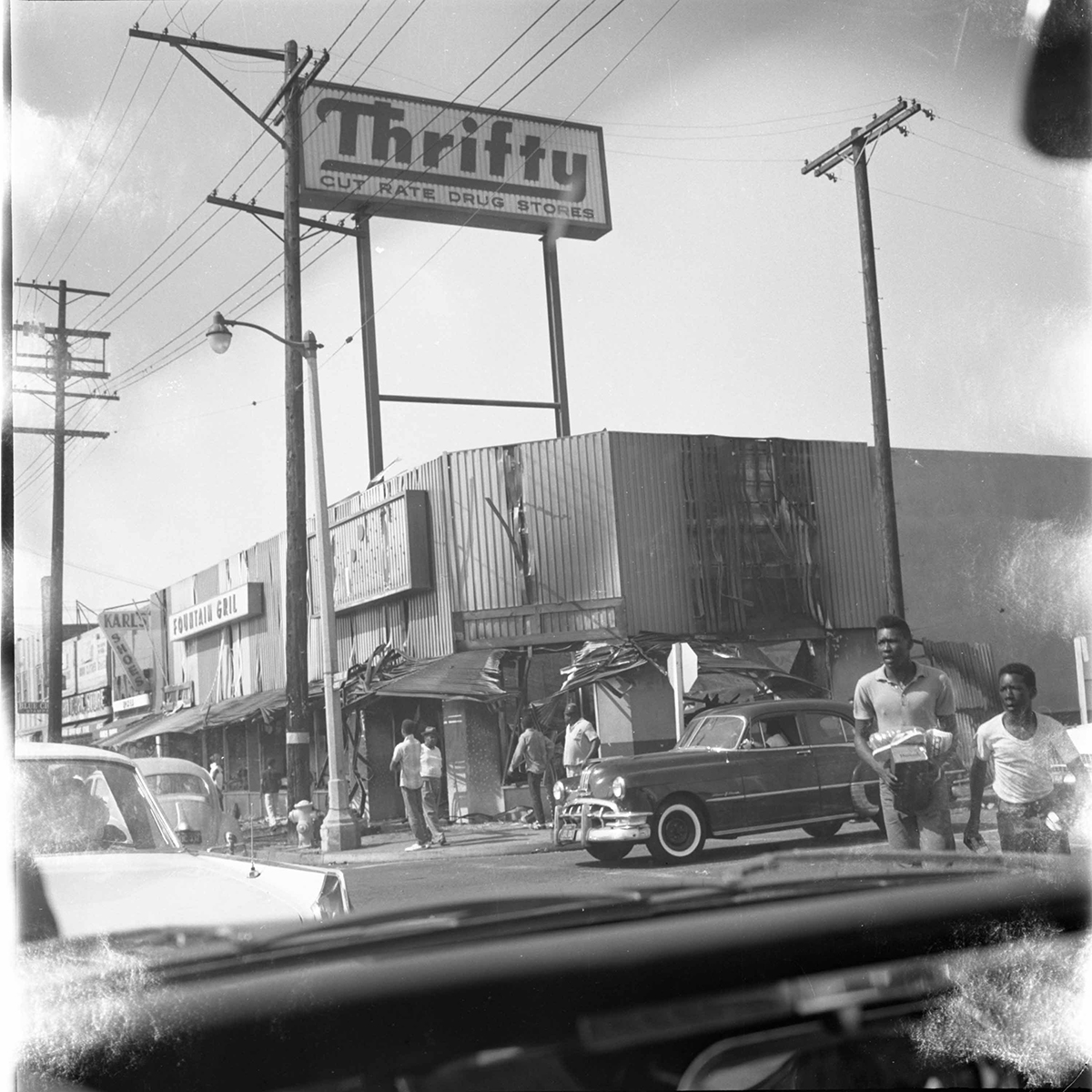
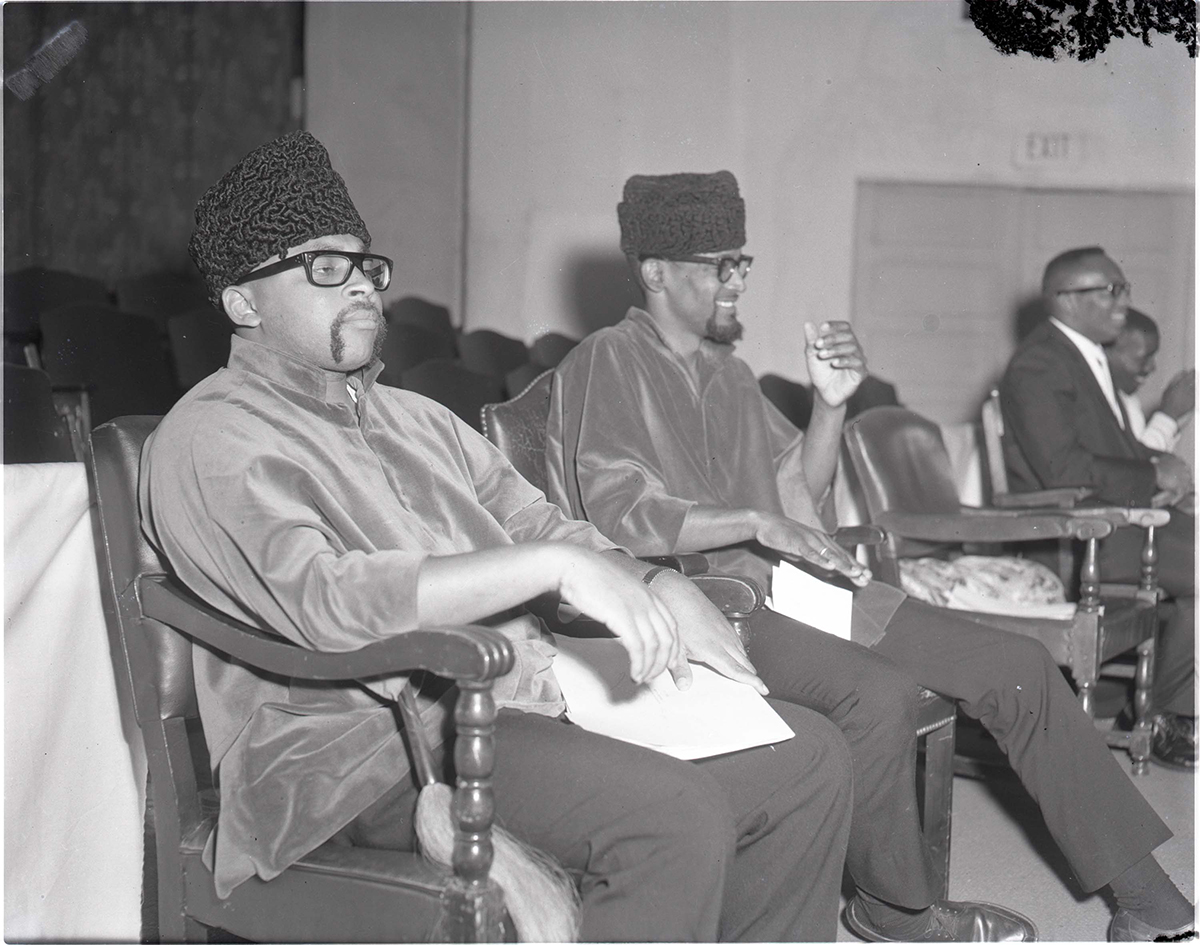
After the Watts Rebellion Stiner reflected on the brutality he saw on television against Black people in the south. Stiner could not understand how people could be beaten while protesting and not fight back. After hearing US Organization co-founder Maulana Karenga speak around Los Angeles, Stiner joined the US Organization in 1966. Stiner was a tribe leader of the Simba Wachenga, the military arm of the US Organization. The Simbas were responsible for security both inside and outside of the organization. They also provided security in partnership with other organizations such as the Black Panther Party. The FBI COINTELPRO unit instigated a rivalry between the US organization and the Black Panther Party that resulted in the altercation at UCLA, that ended with the murders of Black Panther leaders Alprentice “Bunchy” Carter and John Huggins. After turning himself in, Watani Stiner served out the remainder of his time in San Quentin and was released in 2015. His brother George passed away in South America.
Image Gallery
Post tagged as: bradley center, photographs, los angeles, audiovisual materials
Read more Peek in the Stacks blog entries