The Wilma Ferrel Collection & Oahu Music Company Sheet Music
by Alex Turney, graduate student of Steve Thachuk and IGRA fellow for the 2025-26 academic year - March 24, 2026
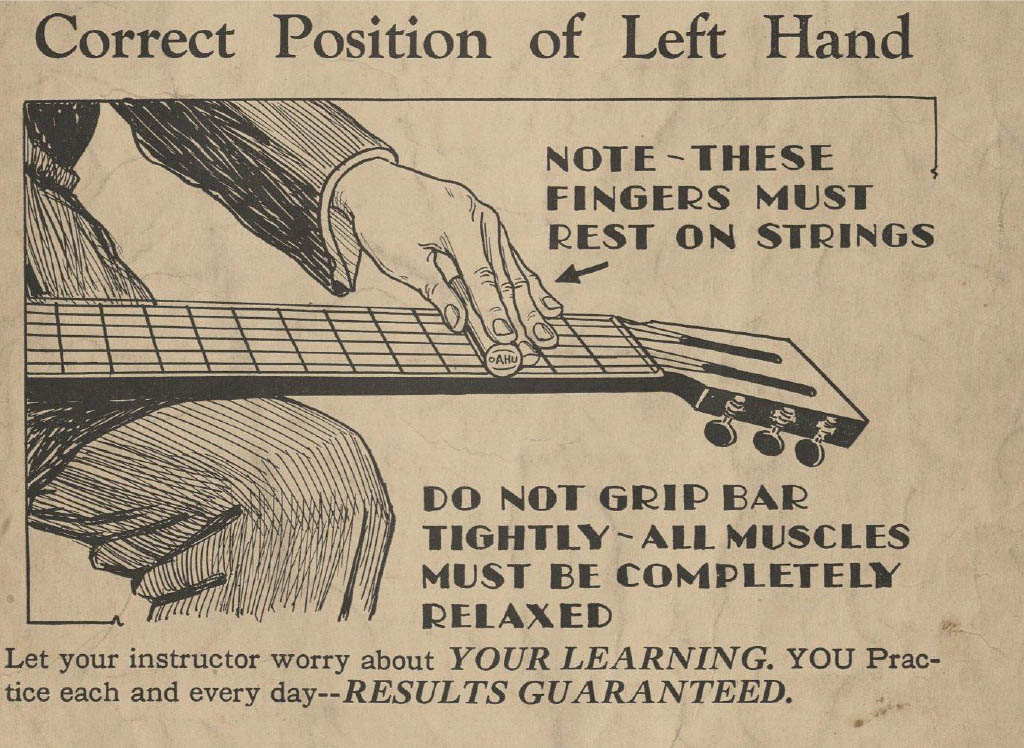
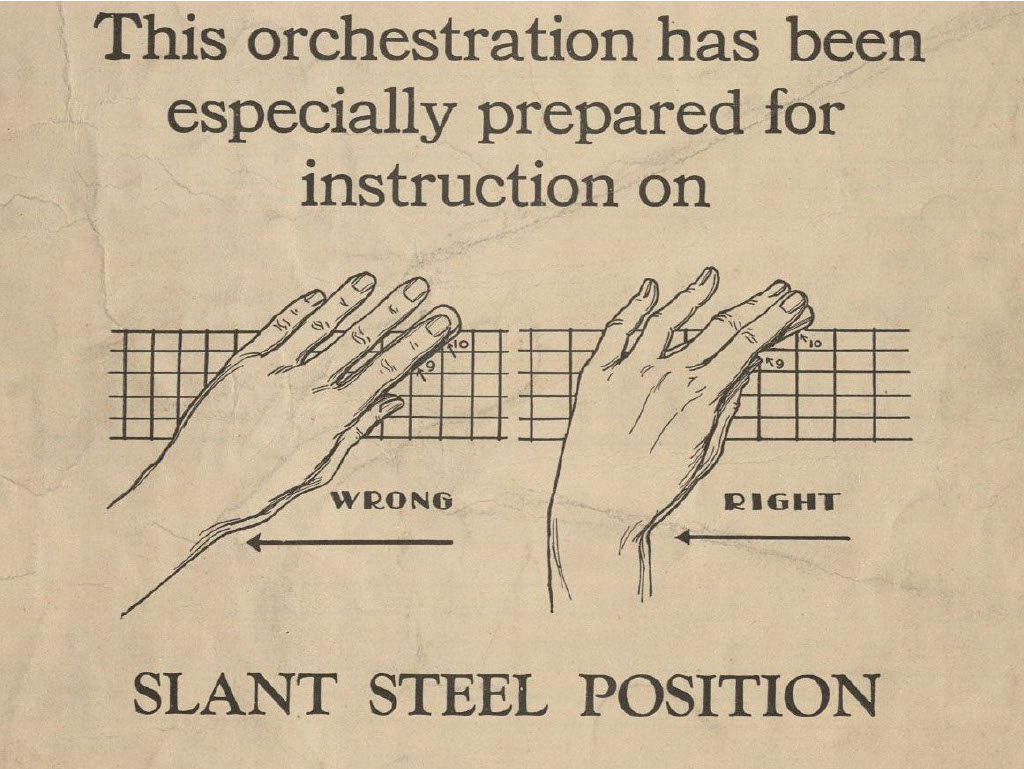
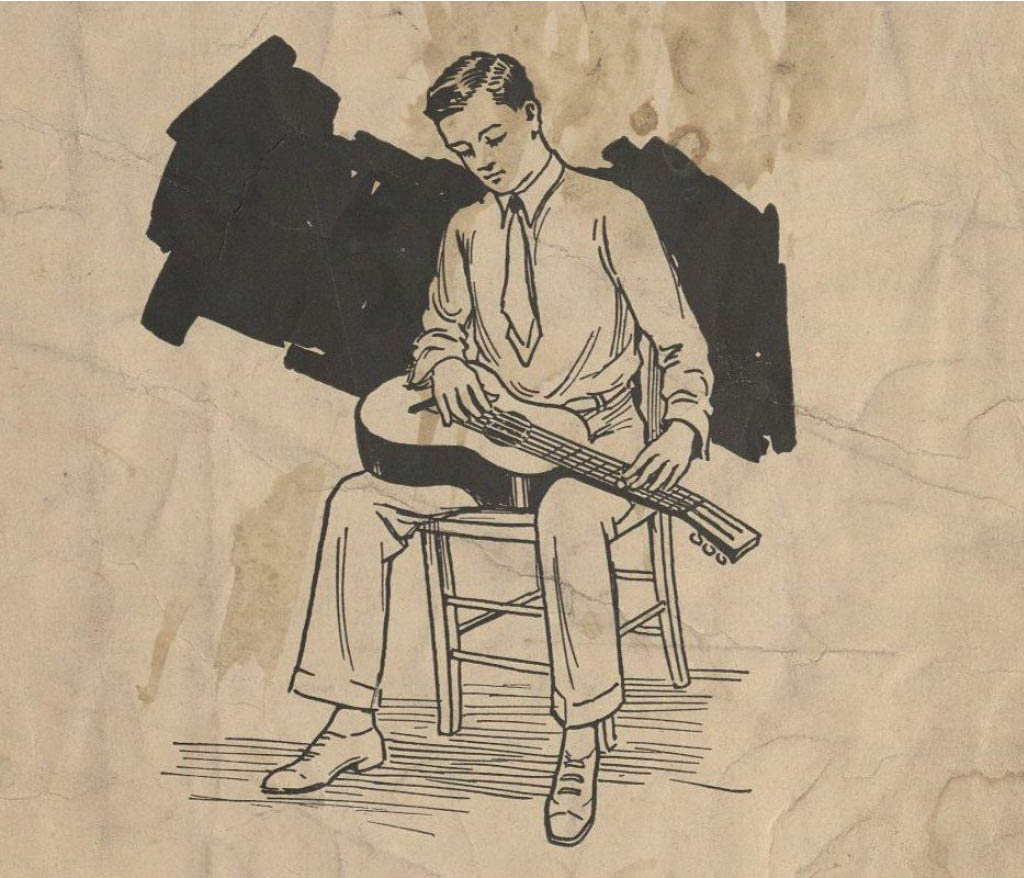
Many people believe that the kind of instrument a guitarist chooses will reveal something about that musician’s style, taste, and technique; however, listening to electric guitar players today can often obscure the stylistic origins of the instrument. 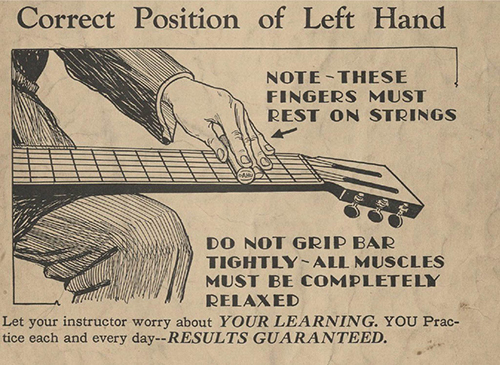 The first commercially successful guitar was not intended for rock, pop, jazz, or even classical music. Instead, the Rickenbacker A-22 Electro “Frying Pan” Guitar was designed in 1931/32 and patented in 1937 by George Beauchamp to capitalize on the popularity of so-called “Hawaiian” music. In the 1920s and 1930s, this style of music featured a ‘Hawaiian Steel’ (today called ‘lap-steel’ or just ‘steel’) guitarist as the lead instrumentalist. The guitarist would rest the instrument horizontally across the lap and fret notes by holding a bar of steel lightly atop the strings. The Rickenbacker Electro solved a problem for these ‘steel’ players who needed to project their sound above the other ensemble members, providing amplification through a magnetic coil pickup. Today, lap-steel guitar playing still thrives in different genres, but its historical importance in the development of the electric guitar is often overlooked. The Wilma Ferrel Collection houses hundreds of pages of sheet music and instructional material for lap-steel guitar and therefore constitutes a valuable resource for musicologists and historians interested in this transformative period of music history.
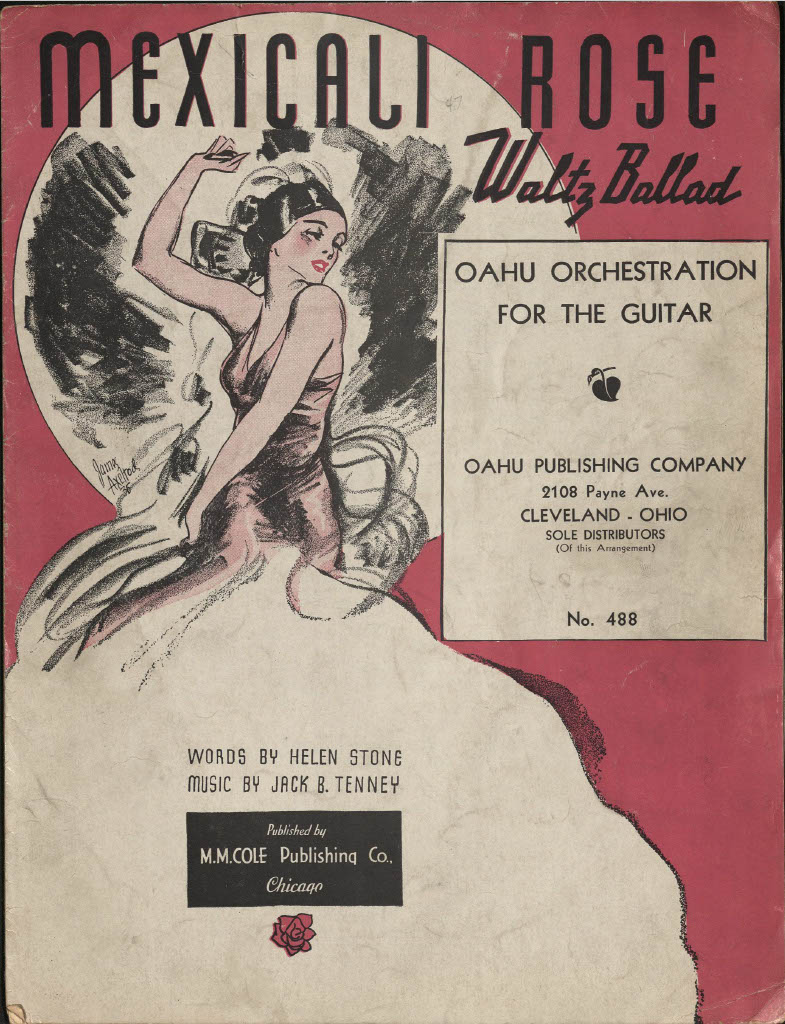
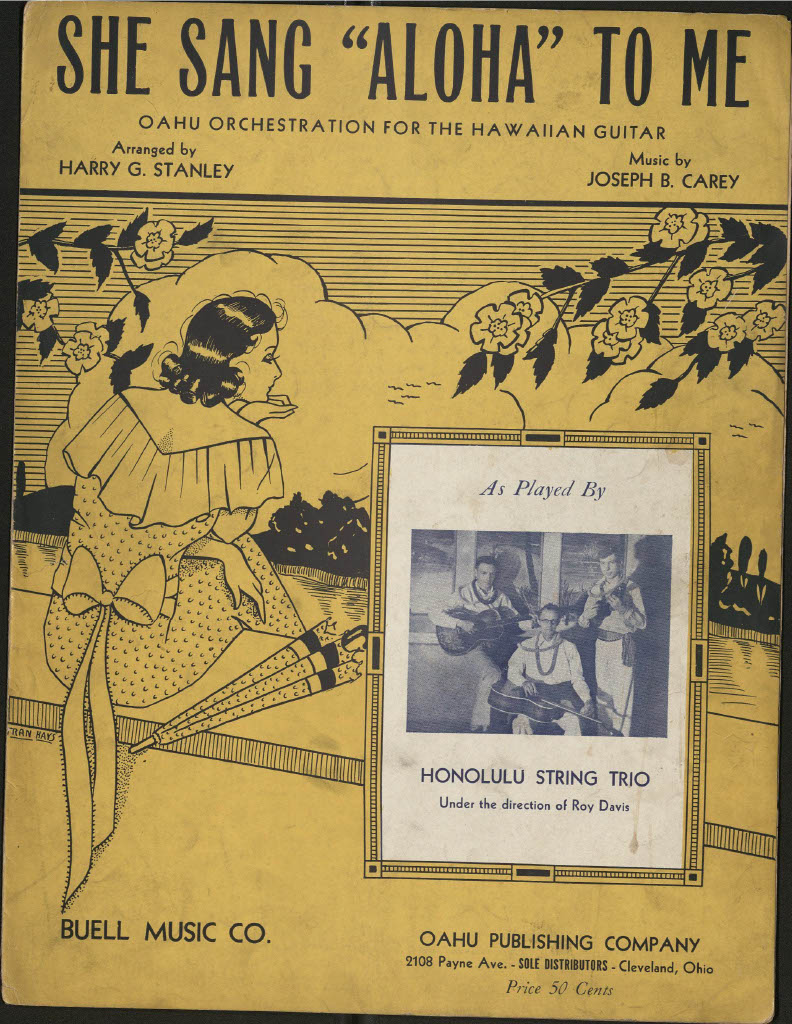
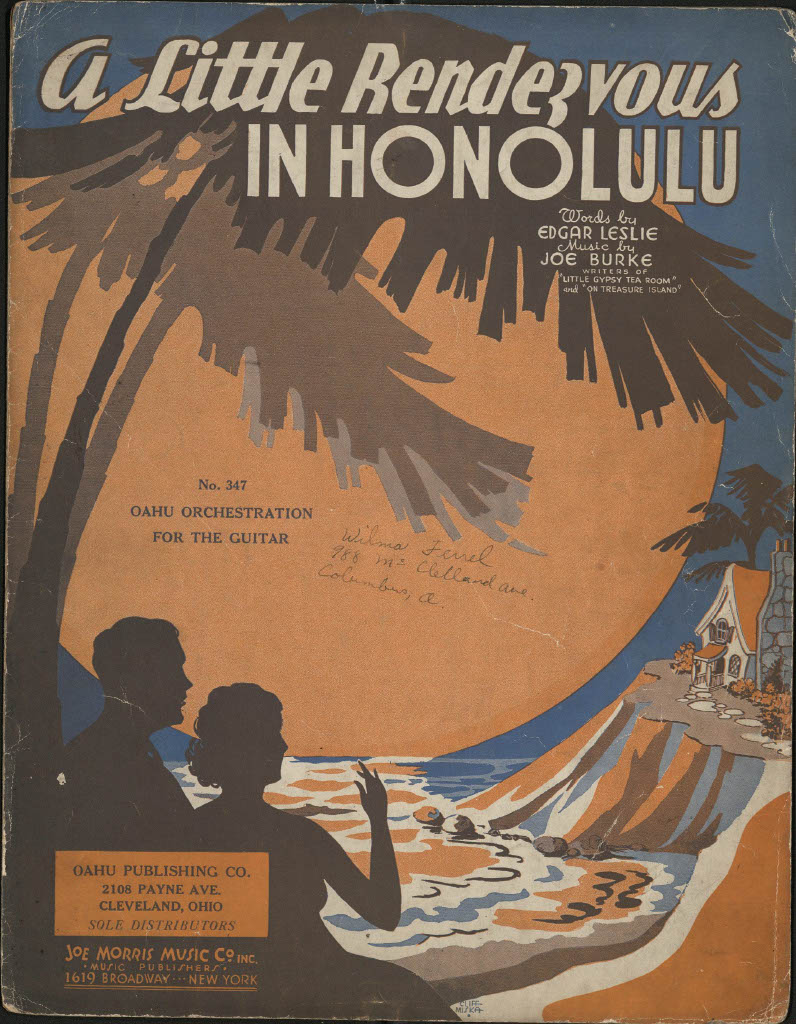
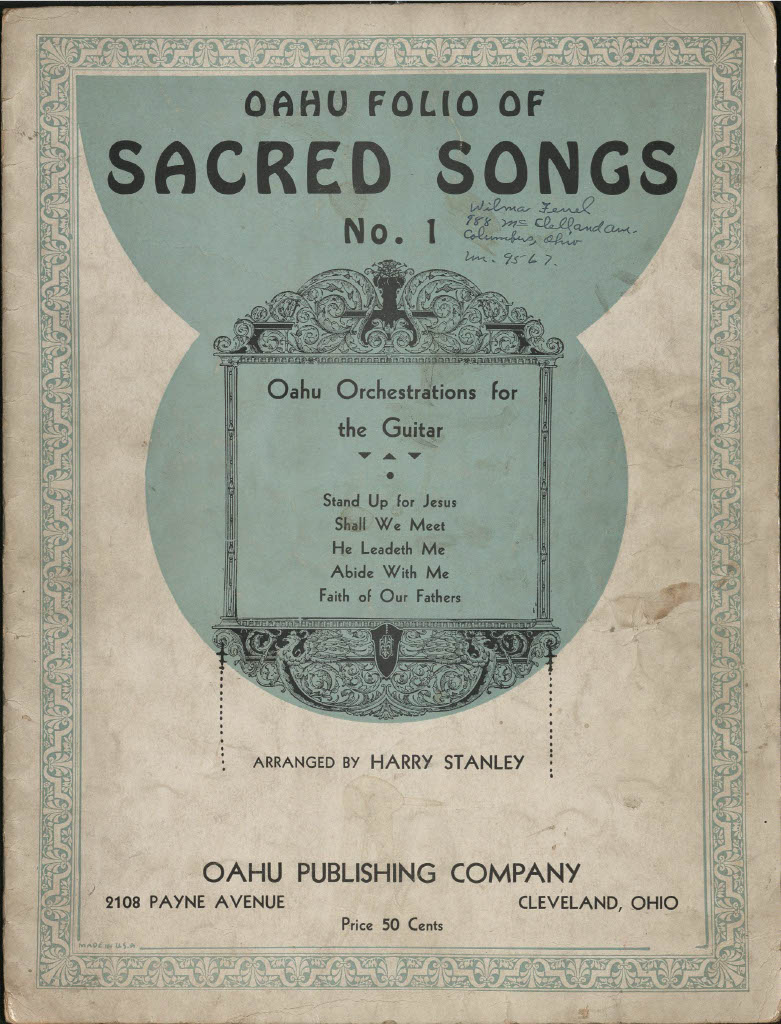
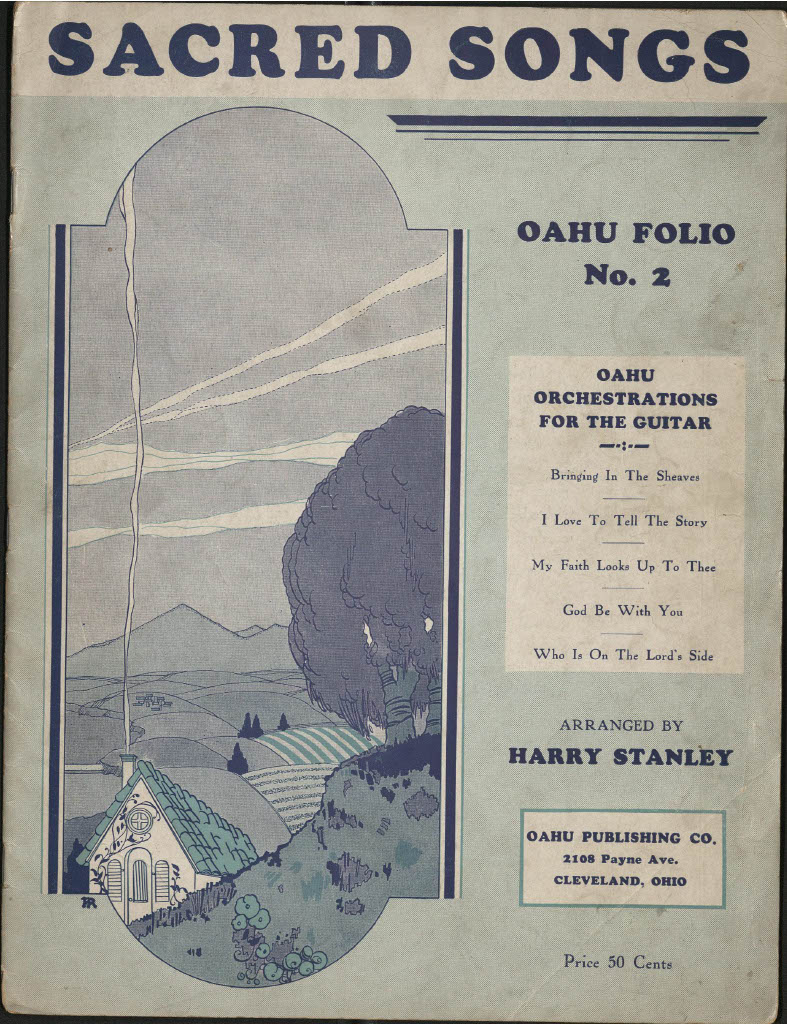
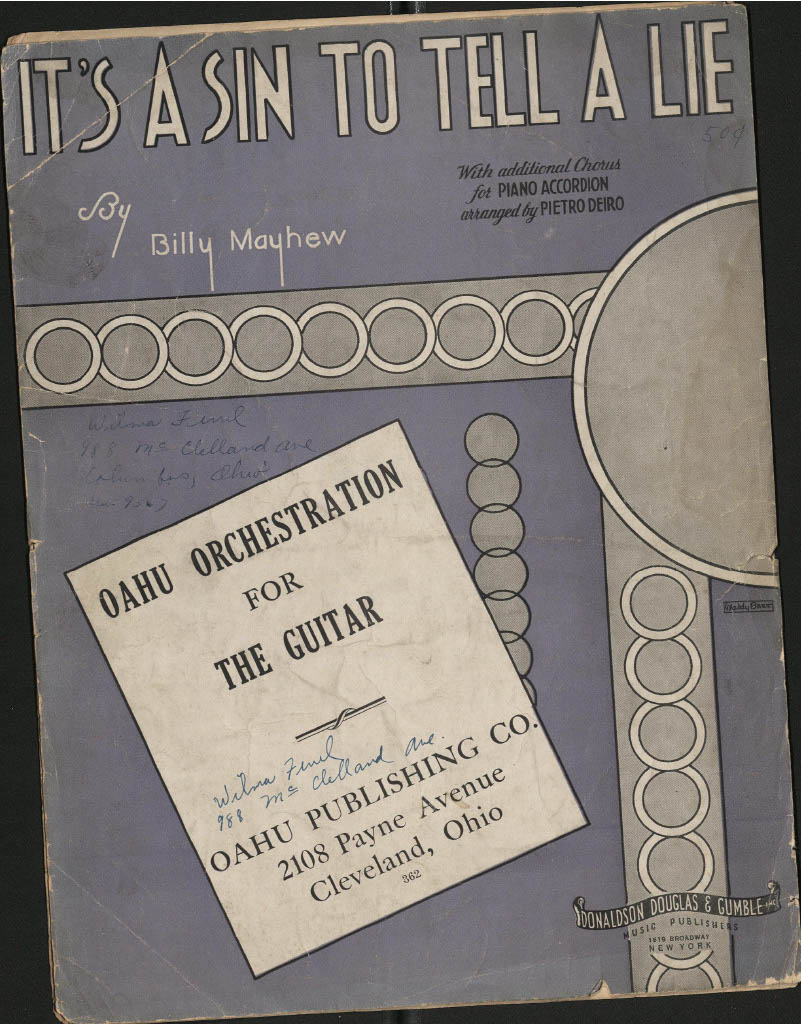
In addition to being a good resource for musicologists and historians, the Ferrel Collection may also be of use to economic or social historians interested in businesses that survived the Great Depression. In just one of the six folders of sheet music in the Ferrel collection, 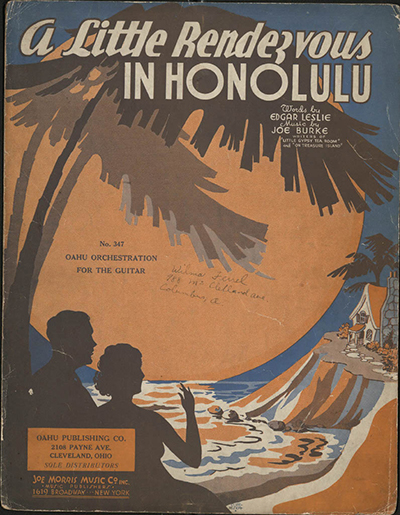 there are twenty-two Oahu Publishing Company publications containing over eighty unique examples of direct or indirect marketing. This marketing takes the form of aphorisms and advertisements which pervade the covers and bottom margins of nearly every page of sheet music. These aphorisms and advertisements offer a fascinating case study of the practices of businesses which survived and thrived throughout the Great Depression.
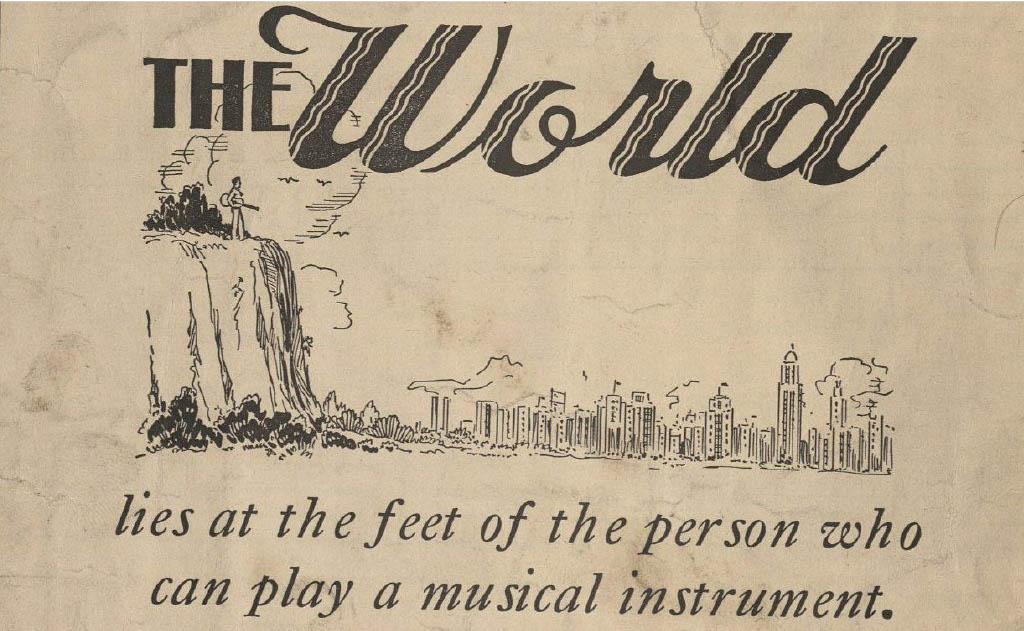
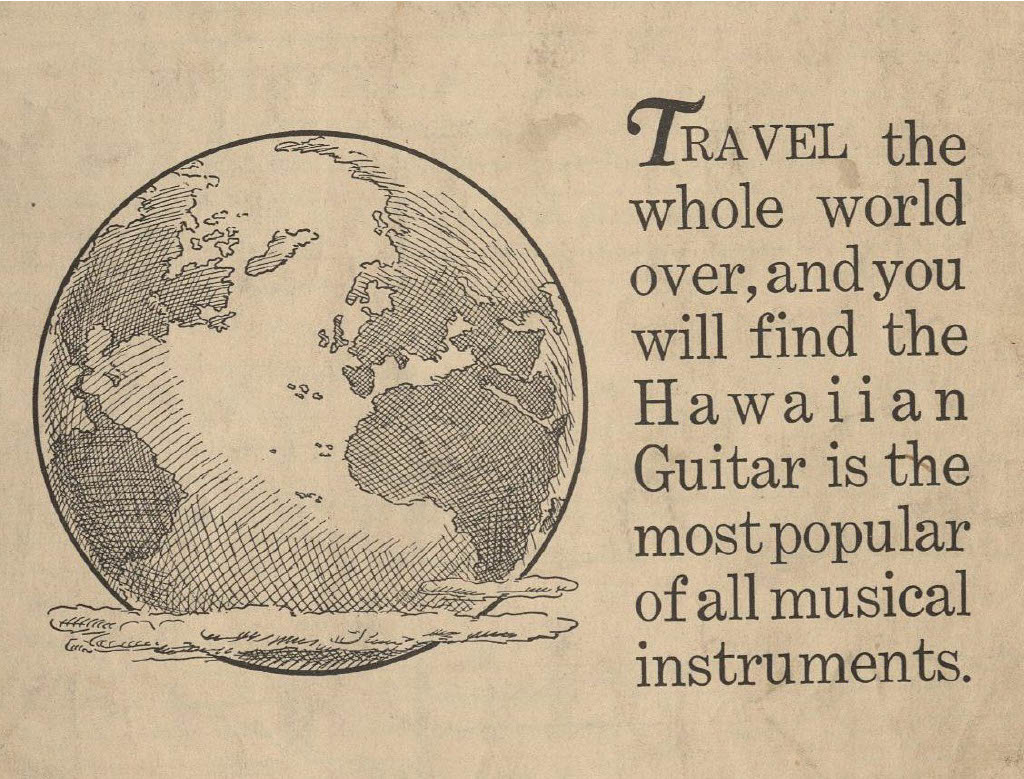
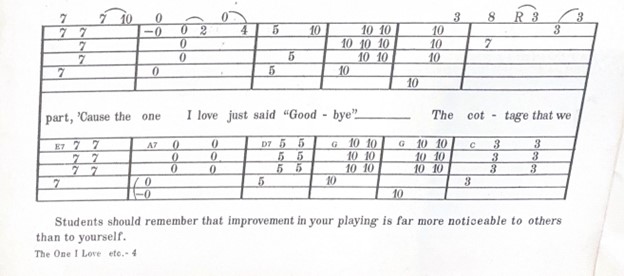
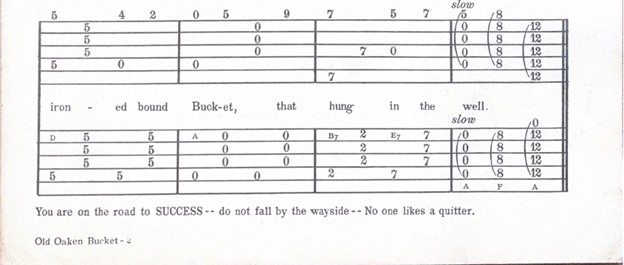
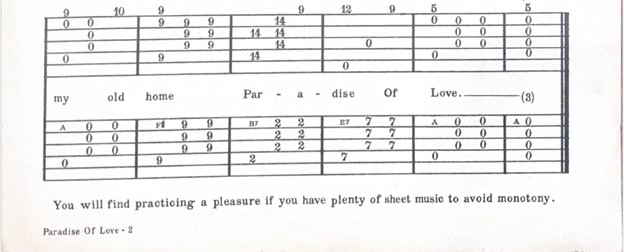
The aphorisms inscribed on nearly every page of Oahu Publishing Company sheet music vary in subtlety. For example, in “The One I Love Just Said Goodbye” an aphorism encourages the student in a disinterested display of goodwill declaring: “Students should remember that improvement in your playing is far more noticeable to others than to yourself.” Many of the pithy statements adorning the sheet music are similarly encouraging, but others dabble with a more demanding tone. The bottom margin of a page of music for “The Old Oaken Bucket”, reads “You are on the road to SUCCESS - - do not fall by the wayside - - No one likes a quitter.” With the aphorisms navigating a wide range of emotional valences, it can be easy to miss the less subtle marketing on some pages. 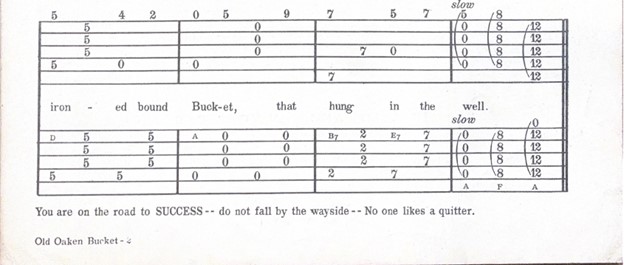 A final example, this time from music for “Paradise of Love,” discloses that “You will find practicing a pleasure if you have plenty of sheet music to avoid monotony.” Piecing these three examples together, the messaging becomes coherent and clear: purchasing Oahu Music Company sheet music will help you practice more, which will elevate your social status.
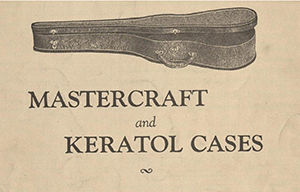
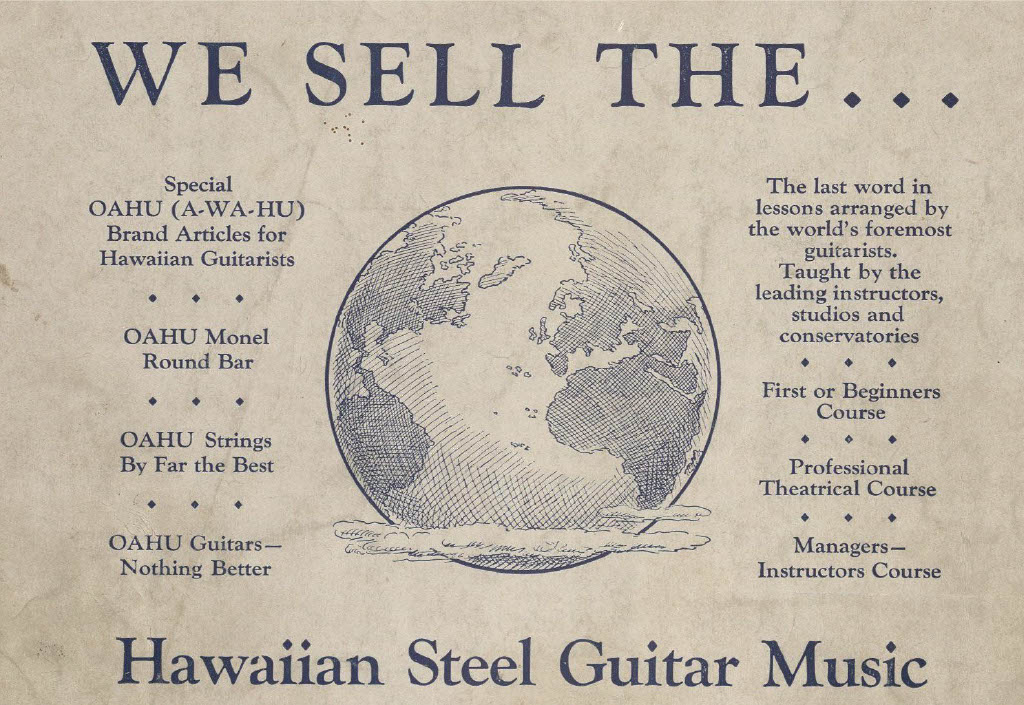
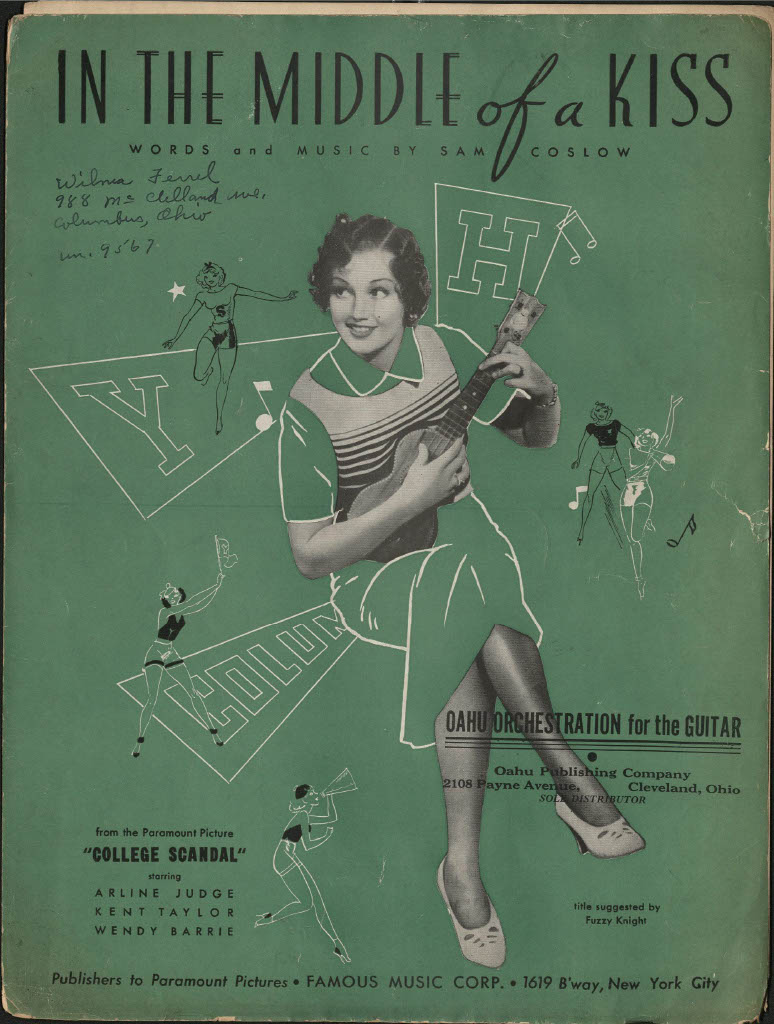
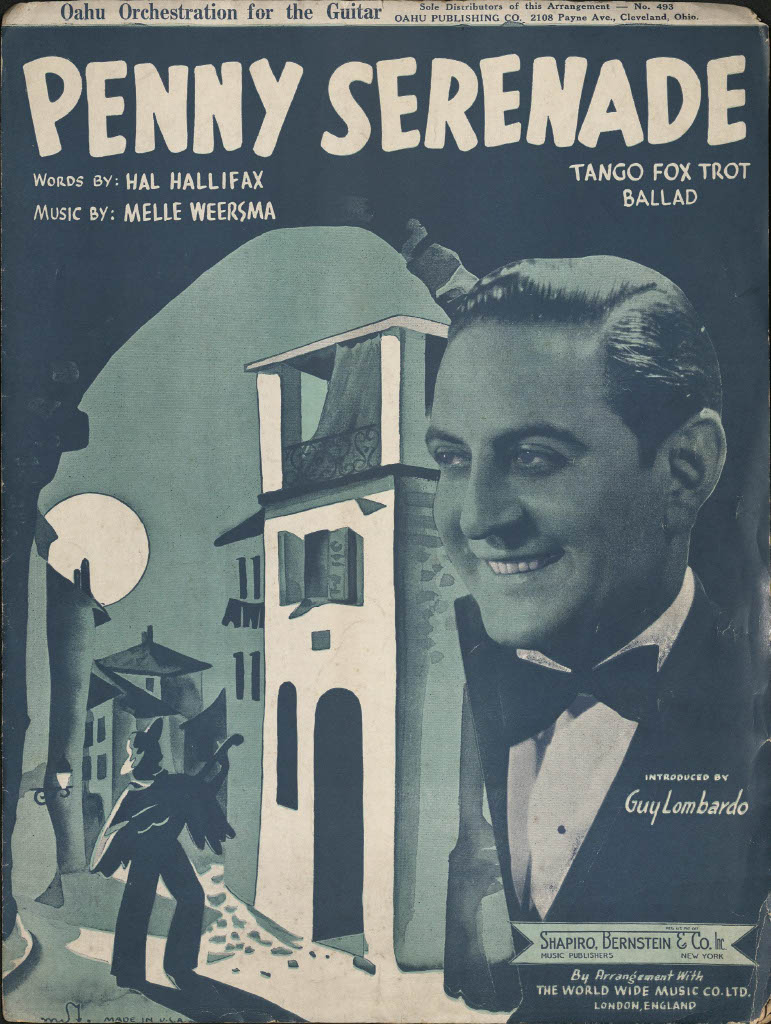
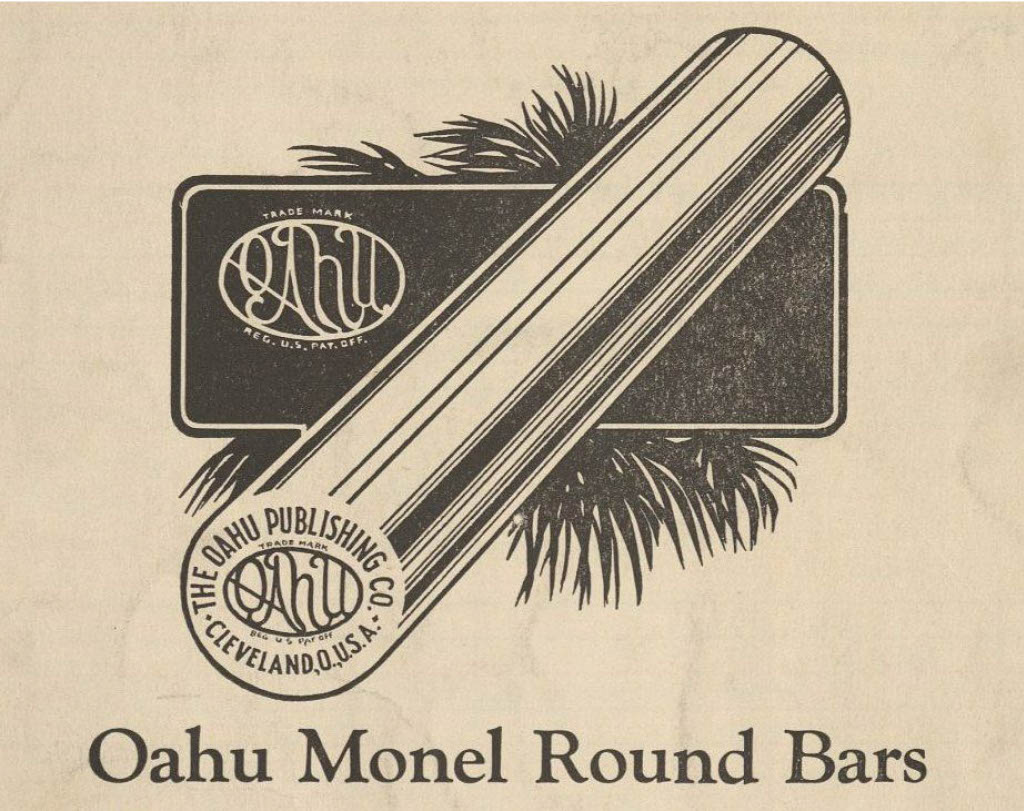
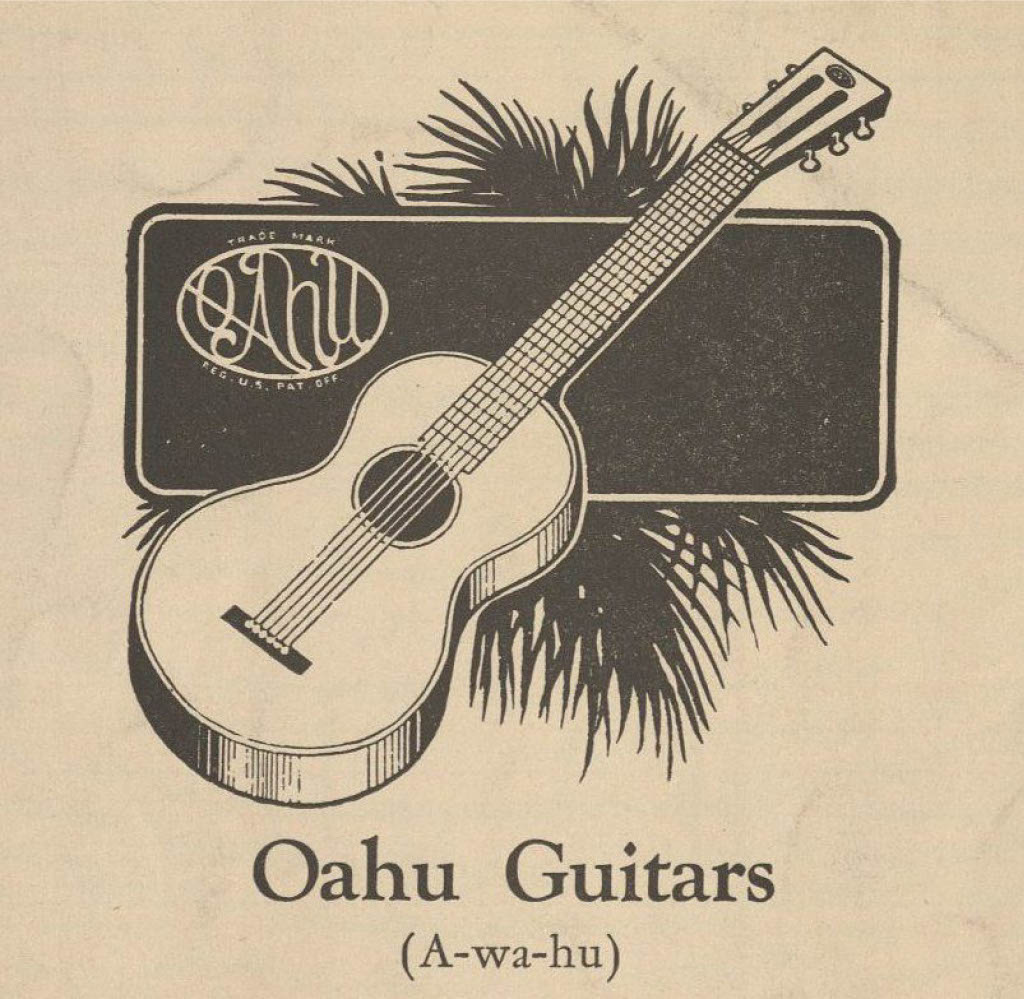
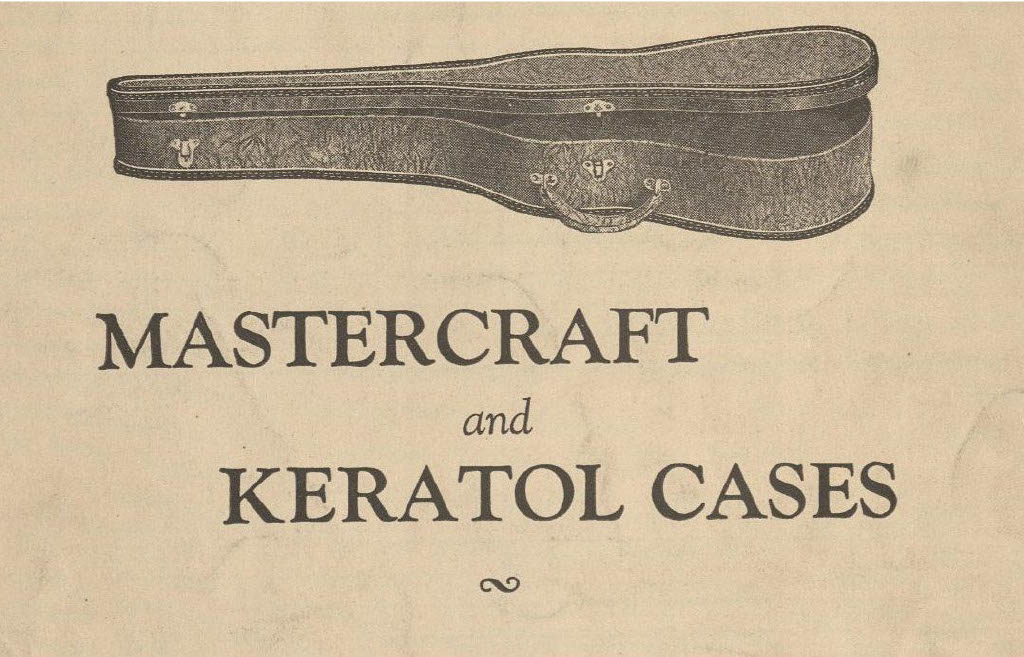
The more direct advertisements scattered throughout the music highlights this messaging to an almost comical degree. Many of the advertisements are innocuous and could easily pass as banner ads for reputable sites today. 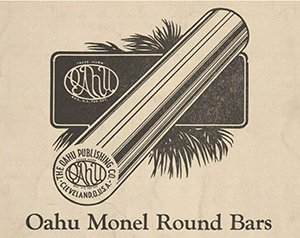 Guitar cases, steel bars for left hand playing, strings, and more sheet music all appear in the advertisements, usually alone on the back cover or below the title information on the front cover. These ads for material goods obfuscate the advertisements for instructor and management training with the Oahu Music Company. For example, included in the sheet music of “Orientale,” where one would normally find a pithy, inspirational statement about the value of hard work and music learning, the editor instead chose to insert an ominous warning– “If you value your future, inquire into the possibilities of the Managers Instructors Course.”
  Literature on the Oahu Managers Instructors course is difficult to find almost a century later, however based on the little information printed throughout the sheet music, it seems that the course trained Oahu Conservatory students to be teachers, and teachers to be studio managers. With modern sensibilities, the implication that Oahu Publishing Company sheet music and courses could offer stable work throughout the Great Depression may seem like dangling bait above crabs in a bucket, but it nonetheless serves as an interesting example of the lengths businesses were willing, or thought necessary, to go to secure customers during the Depression.
Image Gallery

Post tagged as: igra, archives, united states, igra fellowship
Read more Peek in the Stacks blog entries